Categories
Mongabay Features Obituaries and tributes

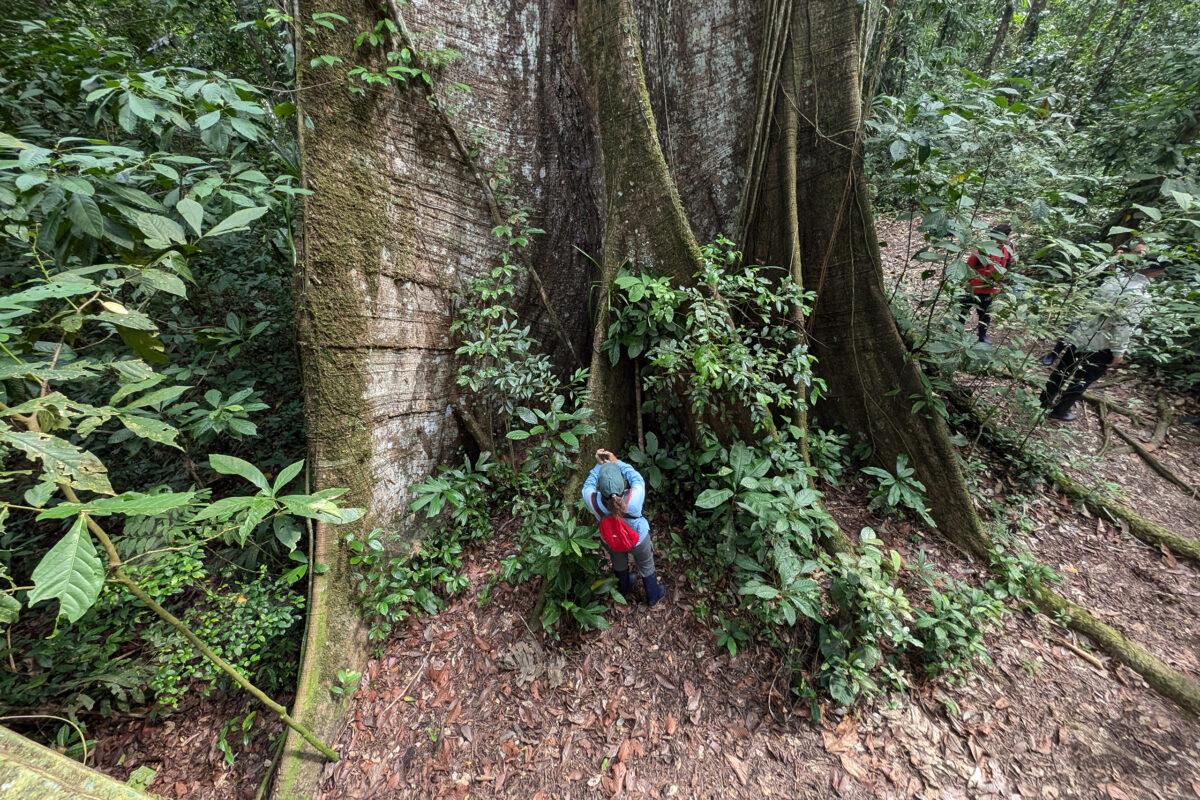
Dan Janzen and Winnie Hallwachs: the ecologists who helped bring back Guanacaste’s dry forest

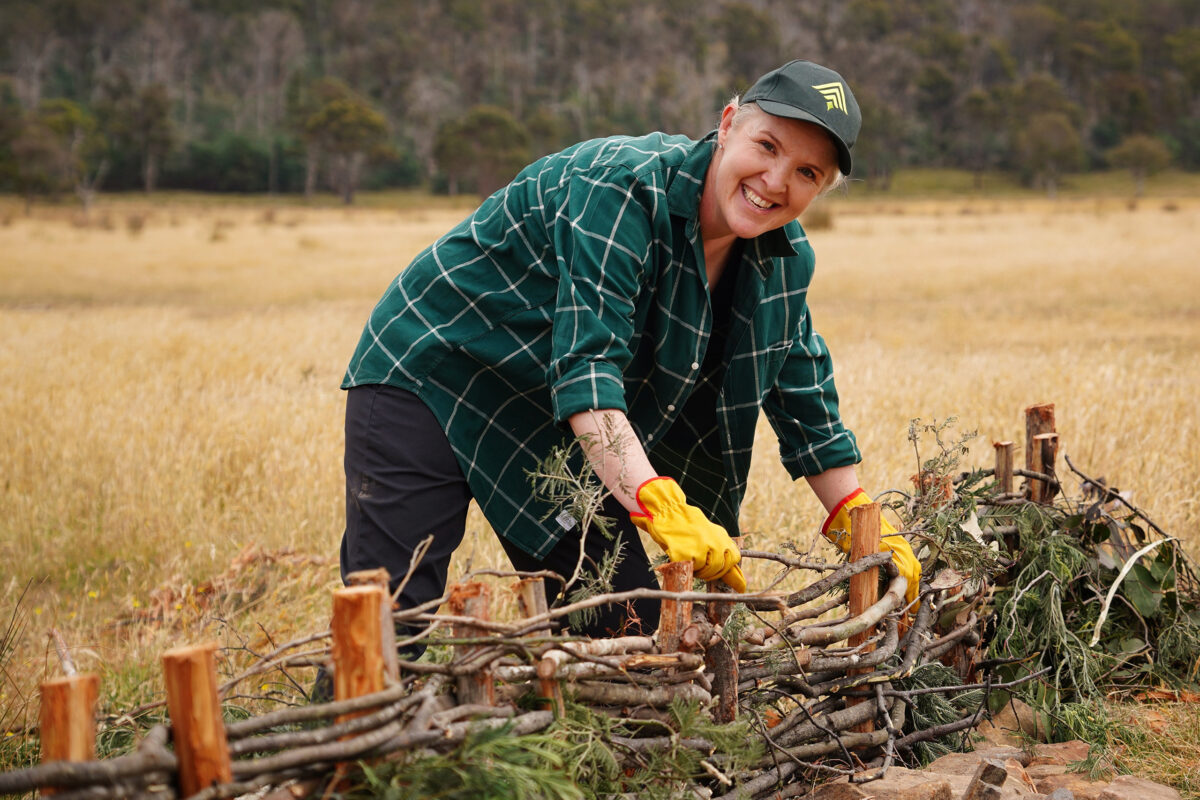
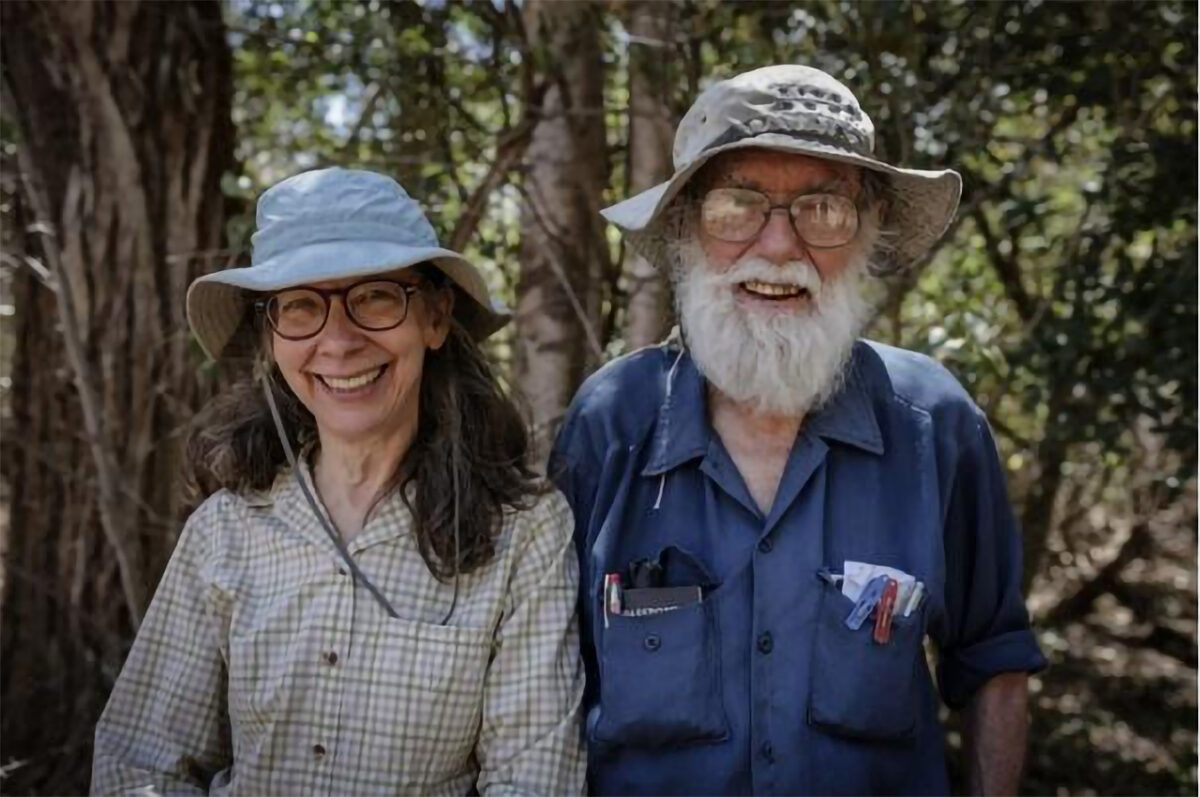
I started working on a piece about Dan Janzen in 2022. I had long known his work, both the scientific and conservation sides. But as I became more aware of how the scope of that work expanded over the course of his career, I came to understand more fully his legacy, as well as the [Continue reading]
Categories
Random pieces

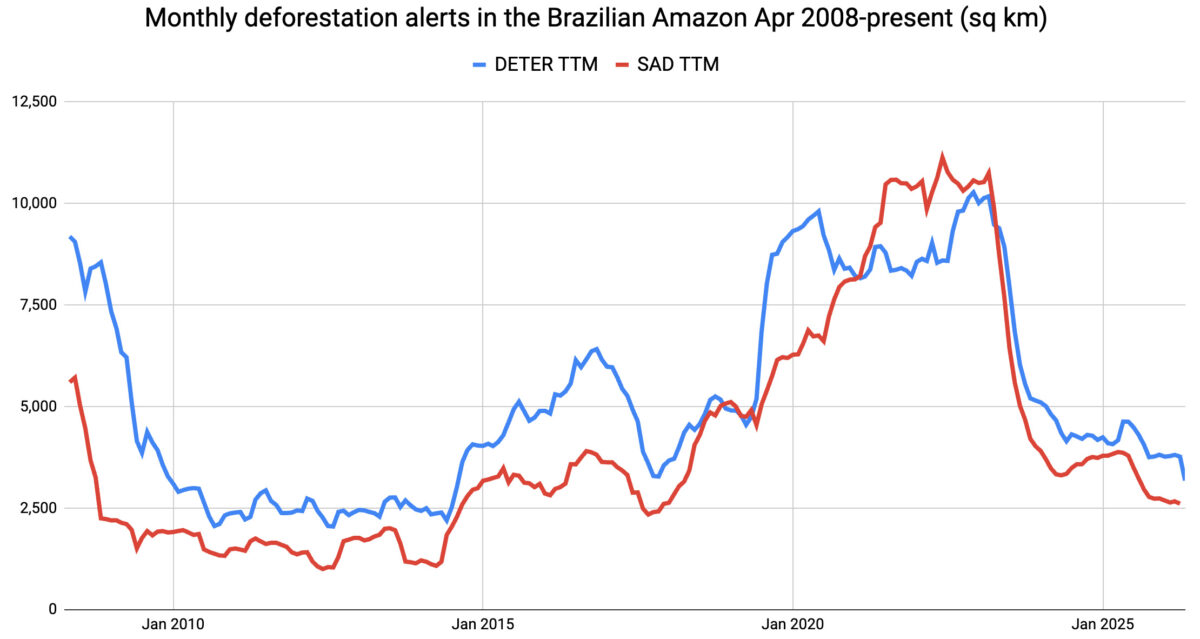
The deforestation rate is falling in the Amazon rainforest

Brazil’s National Institute for Space Research, or INPE, detected 370 square kilometers of deforestation in May through its DETER alert system. That is down from 960 square kilometers in May 2025, a decline of about 61%. May is an important month in the Amazon deforestation calendar. It often marks the transition toward the drier season, [Continue reading]

Categories
Commentary and analysis Mongabay Features

The Amazon’s protected areas exist on paper. Many still lack the money to work.

For protected areas in the Brazilian Amazon, one basic question is often overlooked: is there enough money to manage what lies inside the boundary? A reserve may exist in law. It may appear on maps and in official counts of how much of Brazil is under protection. On the ground, management depends on staff, fuel, [Continue reading]

Categories
Commentary and analysis Mongabay Features

Six gaps shaping the Amazon’s future

In the Amazon, a forest can remain on the map while losing much of what makes it function. Deforestation, carbon, protected areas, and tipping points are useful measures, but they do not fully explain why biodiversity continues to decline where laws exist, territories are recognized, and international pledges sound ambitious. Six gaps help explain the [Continue reading]
Categories
Mongabay Features

Conservation fails when it is treated as a project

Conservation often sounds most persuasive when it is described as a plan. There are maps, budgets, governance models, community consultations, monitoring frameworks and theories of change. All are necessary. None is sufficient on their own. Luis Arranz, who has spent more than four decades working in Central African conservation, makes a simpler point: the hard [Continue reading]

Categories
Obituaries and tributes

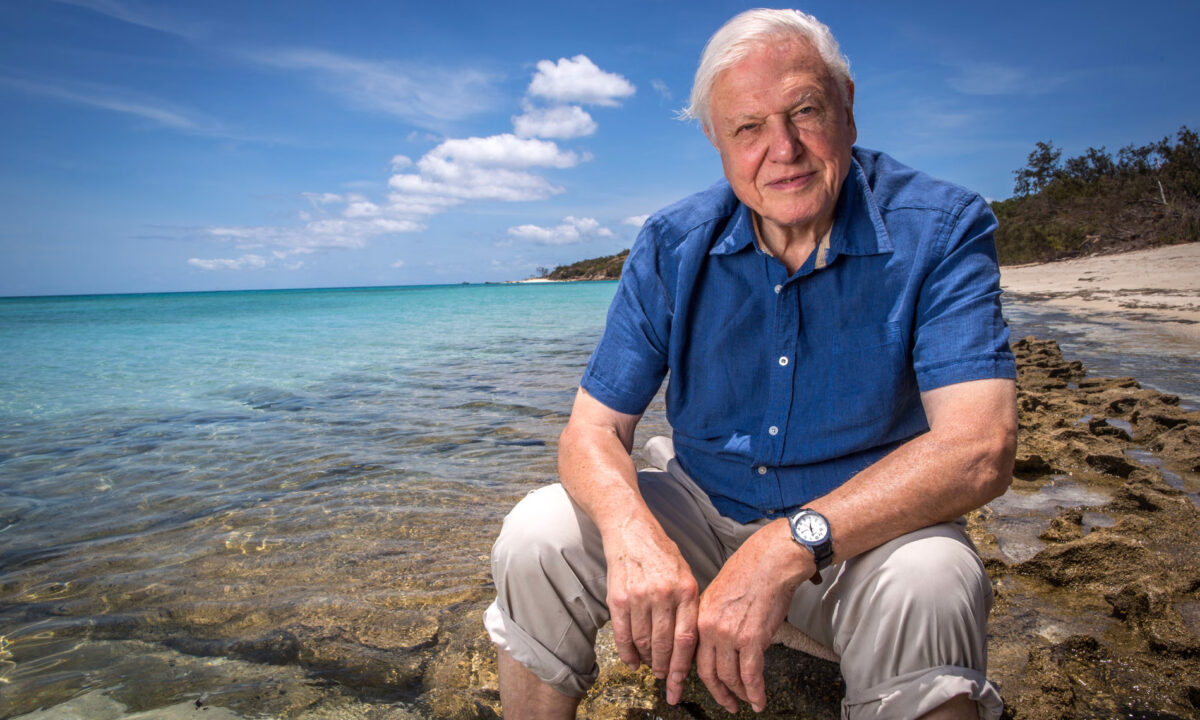
David Attenborough helped the world fall in love with nature. Then he warned us what we could lose

As his 100th birthday approaches, David Attenborough occupies an unusual place in public life: not a practicing scientist, not quite a conventional journalist, and no longer only a broadcaster. His voice has become one of the most recognizable ways the public encounters the living world. That was not always his role. When Attenborough began at [Continue reading]

Categories
Mongabay Features

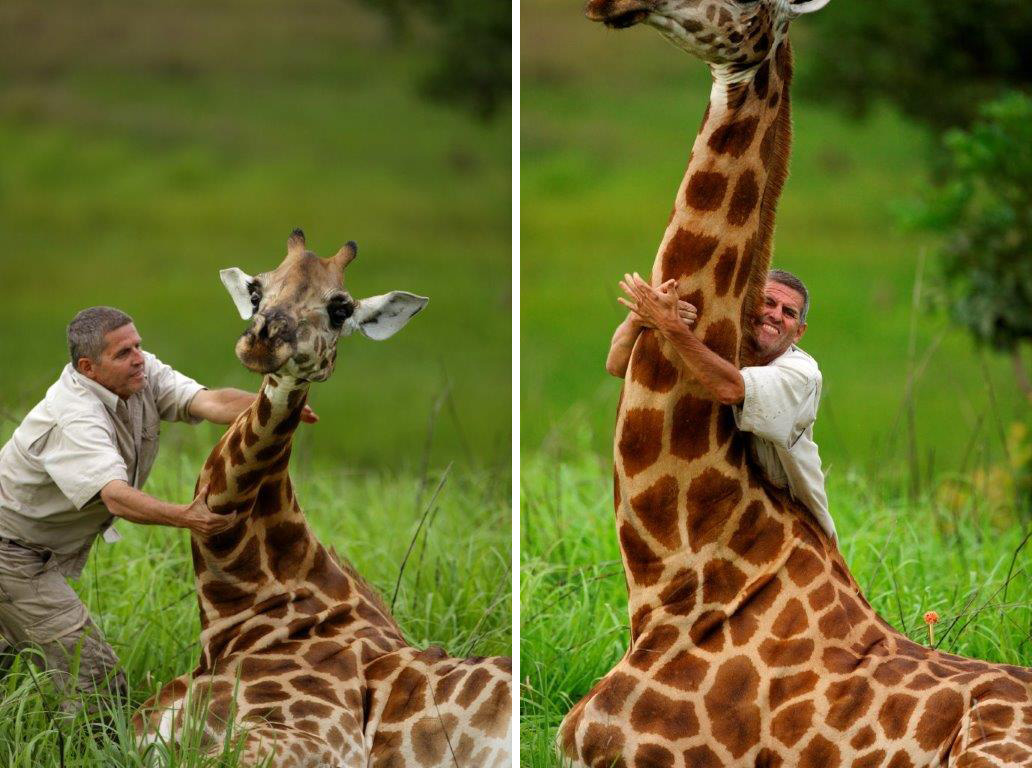
Wildlife rangers face the danger. They also carry the aftermath

The gunfire began just before six in the morning. At first, Christine (Tina) Lain thought it might be a drill. Upemba National Park had prepared for attacks before. But the sound did not stop. It intensified. By the end of the day, three rangers and four staff were dead. Survivors hid in a crawl space [Continue reading]

Categories
Talks

They restored the forest. Then they gave it back.

Last Thursday I gave the keynote address at the Pacific Forest Trust’s Forest Fete gala. I spoke about four lessons I’ve learned over 27 years at Mongabay on how to reach and engage audiences: Identifying your audience (who you’re actually trying to reach) Framing (how the issue is presented) Narrative (what makes people stay and [Continue reading]

Categories
Commentary and analysis Mongabay Features

The cost of coexistence

“Let us stop talking about human-wildlife conflict. Some of us live with this reality and we pay a heavy price for sharing space with wildlife.” The remark, made at the 2023 Community-led Conservation Congress in Namibia, challenges how conservation is often described. The term “human-wildlife conflict” appears frequently in policy and reporting, suggesting a problem [Continue reading]

Categories
Mongabay Features

30 years to regrow a rainforest. Much longer to restore it

Tropical forests can return quickly in appearance. A pasture left to regenerate may, within a few decades, look like forest again. What is less visible is how long full ecological recovery takes. Beneath the canopy, different species return at different rates, shaping a system that may resemble forest without yet functioning like one. A study [Continue reading]

Categories
Commentary and analysis

The hidden cost of conservation work

The gunfire began just before six in the morning. At first, Christine Lain thought it might be a drill. Upemba National Park had prepared for attacks before. But the sound did not stop. It intensified. By the end of the day, three rangers and four staff were dead. Survivors hid in a crawl space while [Continue reading]

Categories
Mongabay Features

Awash in data, short on Insight

For decades, conservation has relied on a straightforward premise: counting nature. Scientists track species, map forests, and monitor ecosystems to inform policies ranging from protected areas to global biodiversity targets. That foundation remains intact, but the systems behind it are undergoing rapid change. A recent perspective led by William Sutherland argues that biodiversity measurement is [Continue reading]
Categories
Mongabay Features

The limits of satellite conservation

To those who map the world for conservation, the forests of northeastern Gabon can appear almost empty. Satellite images show an unbroken canopy, and global datasets classify large areas as “intact forest landscapes,” supposedly free of human influence. On paper, such places look pristine. In Massaha, a village in Ogooué-Ivindo province, that picture does not [Continue reading]

Categories
Mongabay Features

The cost of caring for a dying world

Earlier this month, Jeremy Hance’s “‘An epidemic of suffering’: Why are conservationists breaking down?” and the follow-up commentary “Emotional and psychological stresses beleaguer conservation professionals” by Vik Mohan and Nerissa Chao gave fresh urgency—and language—to a crisis many in conservation have been naming quietly for years. This piece builds on their reporting and reflections, and [Continue reading]

Categories
Commentary and analysis Mongabay Features

Many U.S. national parks may never look the same again

America’s national parks were conceived as refuges from the forces reshaping the continent. Climate change is breaching that boundary. A study in Conservation Letters suggests many parks are not merely warming but being pushed toward ecological states unlike those they were created to preserve. Researchers assessed 259 park units across the contiguous United States using [Continue reading]

Categories
Mongabay Features

The science behind coral bleaching events

Coral reefs are among the most productive ecosystems on Earth, built slowly by animals that resemble plants. Each coral polyp hosts microscopic algae that convert sunlight into energy. When ocean temperatures rise, this partnership breaks down. The coral expels the algae, loses its color, and turns white — a process known as bleaching. The coral [Continue reading]

Categories
Mongabay Features

The Amazon generates 20 billion of dollars’ worth of rainfall each year, study finds.

Rainfall is often treated as a gift of geography — a function of latitude, oceans, and atmospheric circulation. Research increasingly suggests that in the tropics it is also a product of ecosystems. Forests do not merely receive rain; they help generate it, regulate its distribution, and sustain the conditions that allow it to persist. A [Continue reading]

Categories
Mongabay Features

Biodiversity is global. The work is local.

Lisa Miller did not come to biodiversity finance through markets or models. She came through animals. Growing up in Australia, her interest in wildlife was personal and specific, long before conservation became a policy debate or an investment theme. That early pull led her to study zoology and later to work at the Australian Museum, [Continue reading]

Categories
Commentary and analysis

An unlikely truce with the great whales, 40 years on

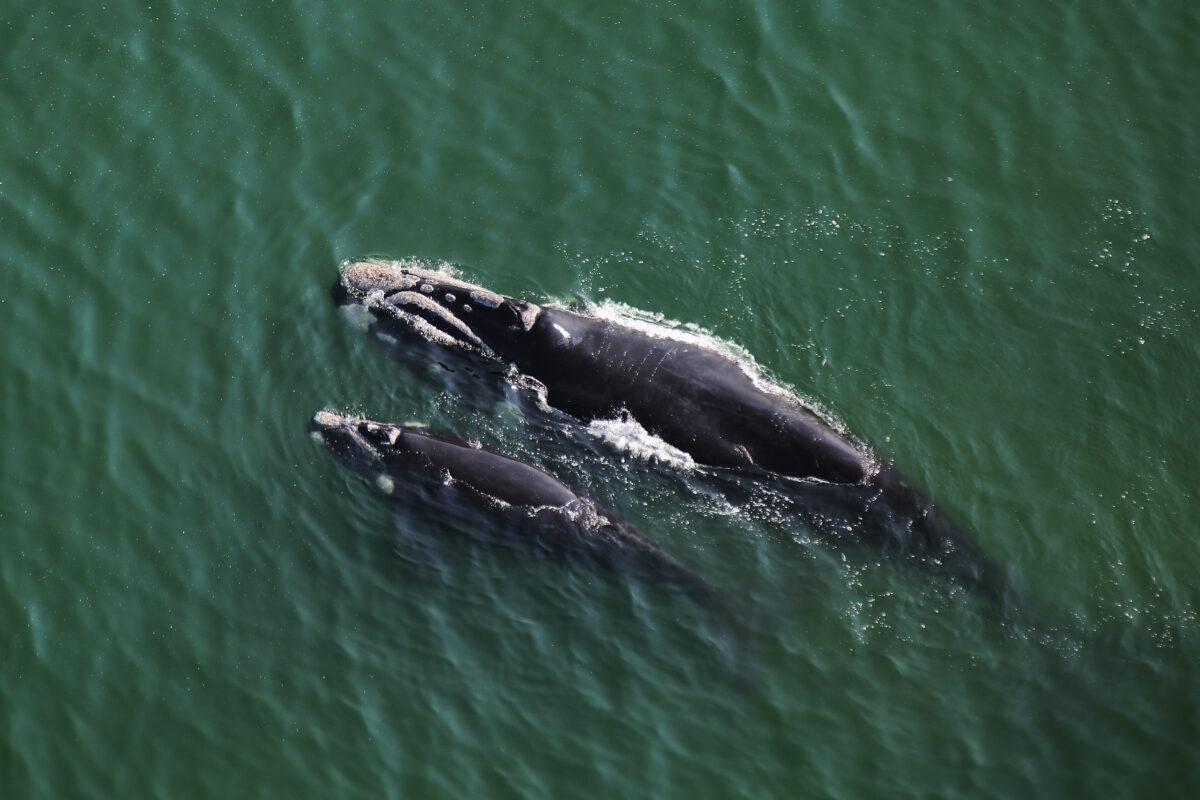
For most of the 20th century, the fate of whales was treated as an industrial question. How many could be taken, how fast, and by whom. Biology entered the discussion late. Ethics later still. By the time international negotiations began to seriously address the problem, many whale populations had already been reduced to remnants of [Continue reading]

Categories
Random pieces

Conservation’s colonial inheritance: What efforts to protect nature still struggle to confront

Conservation is often framed as a technical exercise: how much land to protect, which species to prioritize, what policies deliver measurable gains. A recent paper in Nature, A Framework for Addressing Racial and Related Inequities in Conservation, argues that this framing overlooks a deeper constraint. Many of the field’s most persistent problems, the authors contend, [Continue reading]

Categories
Mongabay journalism

Who gets to decide what counts as science

For most of Peru’s scientific history, Indigenous knowledge has existed outside the formal record. It shaped how forests were used, how species were managed, and how risk was understood, but rarely appeared in journals or policy. The boundary is shifting. One of the researchers bringing community knowledge into the scientific literature is Richar Antonio Demetrio, [Continue reading]

Categories
Random pieces

When field science becomes dangerous: The disappearance of a Mexican biologist

In the mountains of central Veracruz, scientific work is rarely abstract. It means walking narrow paths through cloud forest, speaking patiently with communities, and learning to read landscapes that yield information slowly. It also means accepting risk as a condition of knowledge. Field research unfolds in places where the state is often distant and authority [Continue reading]

Categories
Mongabay Features

What we lost and what we found in 2025

Extinction is rarely a moment. It is a process that unfolds offstage, marked by missed sightings, thinning records, and the slow reassignment of hope to footnotes. Discovery, too, is rarely a moment. It is a process of comparison, argument, and waiting—years spent persuading other experts that what you are seeing is, in fact, new. A [Continue reading]

Categories
Random pieces

15 emerging issues that could reshape conservation

Conservation debates are usually framed by damage already visible. Forests are cleared, fisheries decline, protected areas invaded, and budgets cut. Less attention is paid to developments that have not yet hardened into crises, partly because they are unfamiliar and partly because they fall between established fields. A recent horizon scan led by William J. Sutherland [Continue reading]

Categories
Commentary and analysis

How to talk about saving the Amazon rainforest

Efforts to protect Amazonia also face a communications challenge. Four years after Indigenous organizations helped carry a landmark motion through the world’s largest conservation congress—an appeal to protect 80% of Amazonia by 2025—the region has endured its worst drought in more than a century and fires on a continental scale. The coalition behind that target [Continue reading]