Categories
Obituaries and tributes

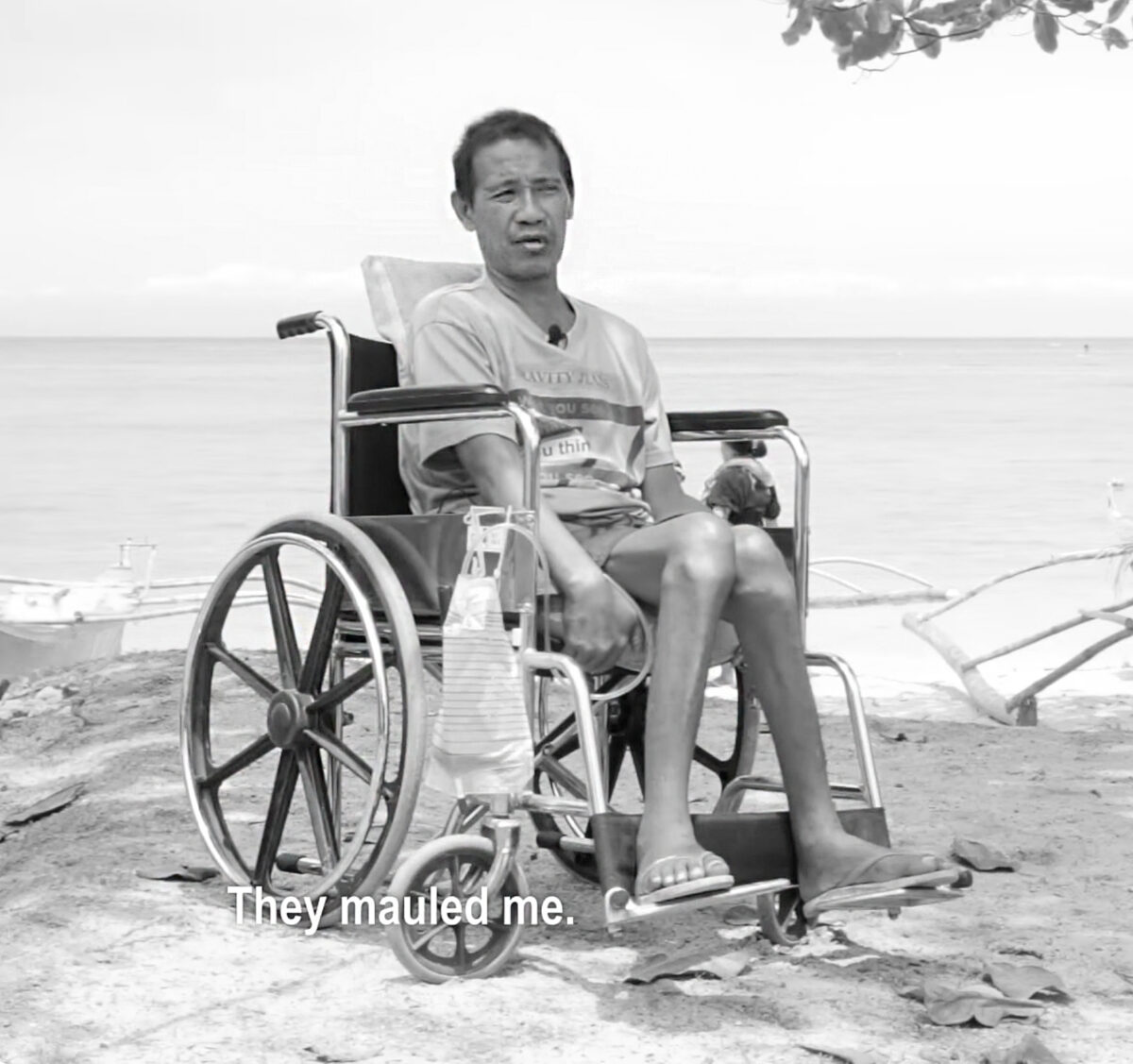
An assassin’s bullet left Norlan Pagal in a wheelchair. It did not end his patrol

Norlan Pagal knew the waters of Tañon Strait from a lifetime spent fishing them. By the early 2000s he had watched catches decline as commercial boats entered waters reserved for small fishers and destructive fishing practices damaged reefs. In 2002 he joined the bantay dagat, the volunteer sea patrol that protects coastal waters in the [Continue reading]
Categories
Obituaries and tributes

Monica Montefalcone, seagrass scientist, has died at 51

To Monica Montefalcone, the sea was a place to study: its plants, reefs, hidden habitats and seasonal changes. A meadow of Posidonia oceanica was not just a patch of green beneath the water. It provided nursery habitat, shelter, carbon storage and coastal protection. To most swimmers it might have looked like seagrass. To her it [Continue reading]

Categories
Commentary and analysis Media appearances

Singapore’s outsized role in the future of ocean governance

Ahead of this week’s Philanthropy Asia Summit, Thomas Knudsen and I published a commentary in the Business Times on Singapore’s outsized role in the future of the ocean Debates about ocean protection tend to focus on treaties, national policies, and international agreements. Fisheries quotas are negotiated between governments. Shipping rules are set through global bodies. [Continue reading]

Categories
Commentary and analysis

Lines on the map, gaps at sea

On paper, the ocean is increasingly protected. Governments have designated large marine protected areas (MPAs) and committed to conserving 30% of the sea by 2030. Maps suggest progress. Offshore, little has changed. Industrial vessels continue to fish in restricted waters, and penalties remain inconsistent. The issue is not new rules, but whether existing ones are [Continue reading]

Categories
Obituaries and tributes

Pascale Moehrle: A life spent pushing Europe to protect the ocean

Environmental policy in Europe has long promised more protection for the seas than the water itself often reflects. Governments have pledged sustainable fisheries, established marine protected areas and endorsed scientific advice on catch limits. Yet enforcement has often proved uneven. Industrial fishing practices still operate in places meant to safeguard marine life, and political compromises [Continue reading]

Categories
Commentary and analysis Mongabay Features

Do coastal cities hold a key to ocean protection?

Debates about ocean protection tend to focus on national governments and treaties. Fisheries quotas, shipping rules, and marine reserves are negotiated by states. Yet much of what determines ocean health flows through cities. Ports control entry. Municipal buyers decide what seafood is served in public institutions. Urban air-quality rules shape how ships operate at berth. [Continue reading]

Categories
Mongabay Features

The science behind coral bleaching events

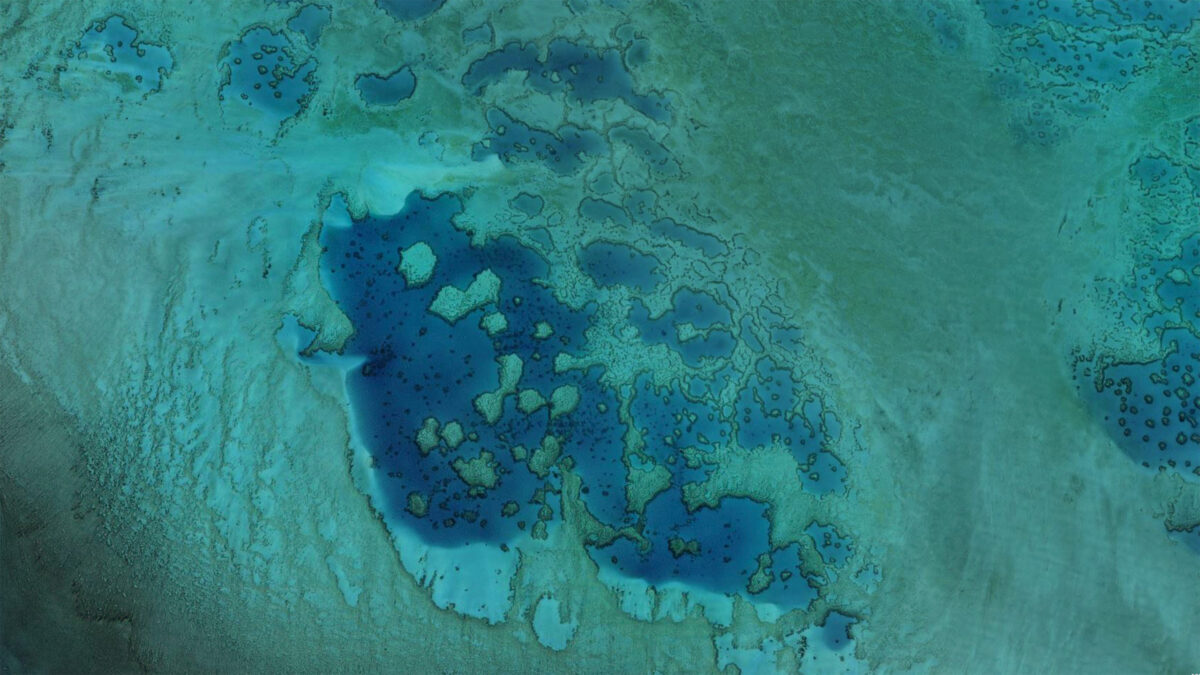
Coral reefs are among the most productive ecosystems on Earth, built slowly by animals that resemble plants. Each coral polyp hosts microscopic algae that convert sunlight into energy. When ocean temperatures rise, this partnership breaks down. The coral expels the algae, loses its color, and turns white — a process known as bleaching. The coral [Continue reading]

Categories
Obituaries and tributes

Division (2021–2026)

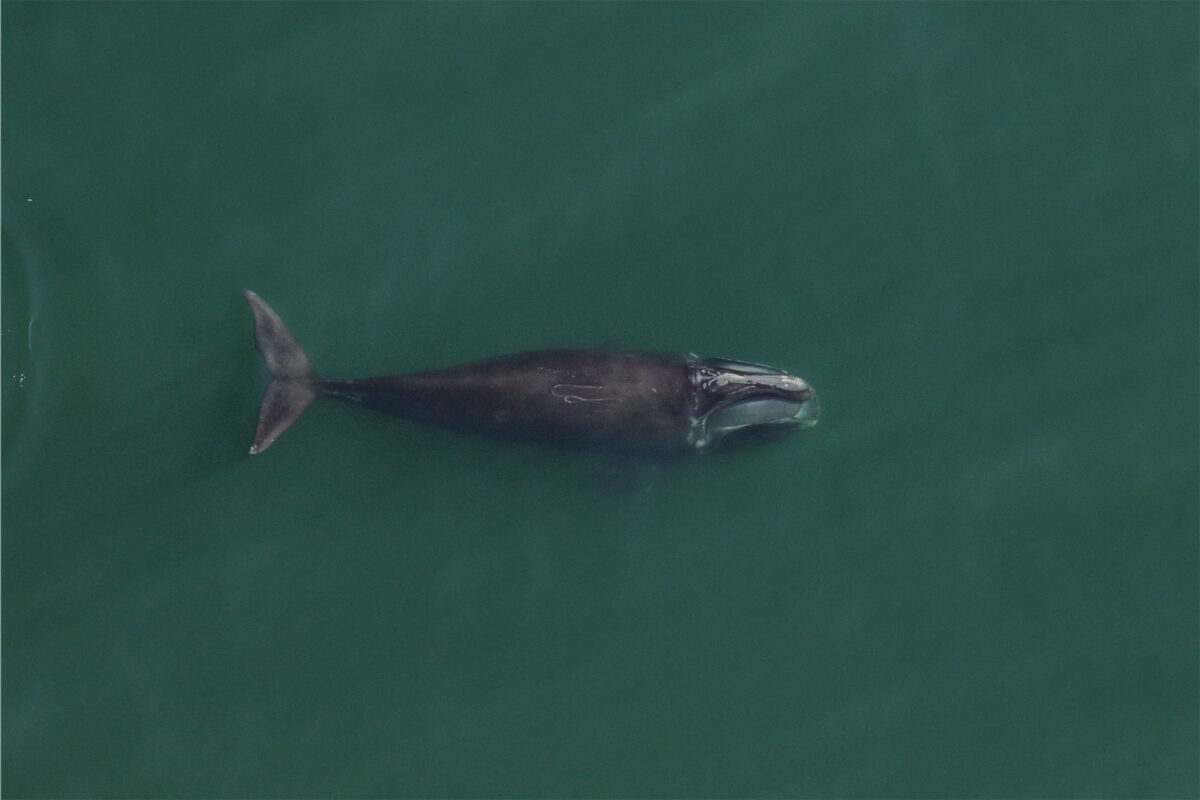
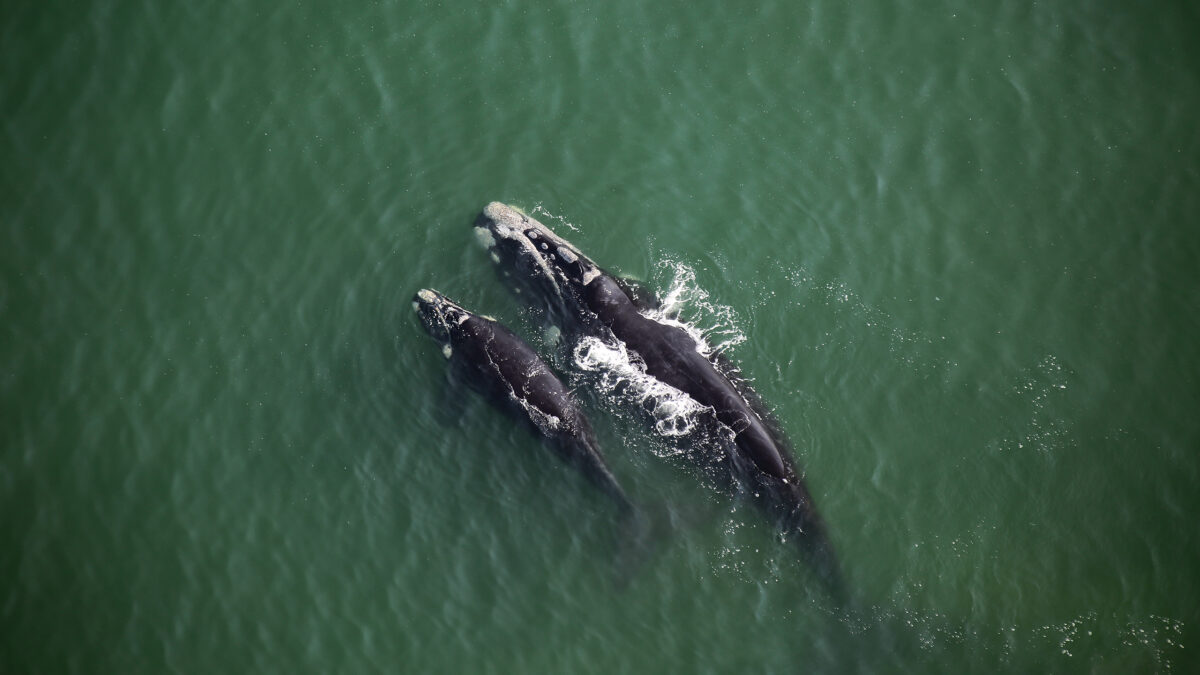
Division was four years old when he died, a young age even by the shortened standards now applied to North Atlantic right whales. His body was found in late January, adrift off the coast of North Carolina. The weather was too dangerous for anything more than confirmation. By then, the cause was already understood. He [Continue reading]

Categories
Commentary and analysis Uncategorized

A treaty for the global commons: From promise to practice on the high seas

For most of modern history, the open ocean has been treated as a place apart. Beyond the 200-nautical-mile limits of national jurisdiction, it was governed by custom, fragmented rules, and the assumption that what lay far offshore was too vast to manage and too resilient to exhaust. That assumption has worn thin. Fishing fleets now [Continue reading]

Categories
Mongabay journalism

The watcher who vanished

What happened to Ghanaian fisheries observer Samuel Abayateye? He was sent to sea to watch others. To count the fish, record their fate, and make sure no one took more than they should. The job was meant to be routine: clipboard, samples, and a small bunk on a ship. Instead, it was perilous. Two years [Continue reading]

Categories
Mongabay Features

From aquarium to ocean: Bringing back the leopard shark

In the turquoise shallows of Raja Ampat, Indonesia, a conservation experiment is attempting the rewilding of an endangered shark. The initiative, known as ReShark, seeks to restore populations of the Indo-Pacific leopard shark, also called the zebra shark, to reefs where it has vanished. Led by Re:wild in partnership with the IUCN Shark Specialist Group, [Continue reading]

Categories
Mongabay Features

Conservation’s hardest problem isn’t nature—it’s people

In a world of quick wins and impatient headlines, Martin Goebel is playing the long game. Now Director for Mexico at LegacyWorks Group, a U.S.-based nonprofit, Goebel has spent five decades navigating the complicated terrain where conservation collides with community, politics, and development. Most of that time has been in Mexico, where he has witnessed—and [Continue reading]

Categories
Mongabay Features

Guarding Mexico’s blue frontiers: A conversation with Alejandro González

For nearly two decades, Alejandro González has stood on the front lines of marine conservation in Mexico, from the coral-fringed reefs of Cabo Pulmo to the remote volcanic outposts of the Revillagigedo Archipelago. A biologist by training and a park director by trade, González has built a career navigating the tension between ambition and reality—between [Continue reading]

Categories
Mongabay Features

From aquarium to archipelago: Rewilding Indonesia’s lost sharks

For more than 30 years, Mark Erdmann has worked in some of the most remote and biologically rich marine ecosystems on Earth. A marine biologist by training and a conservationist by necessity, Erdmann has made it his mission to protect Indonesia’s reefs and mangroves—places many only dream of diving. Over the course of his career, [Continue reading]