
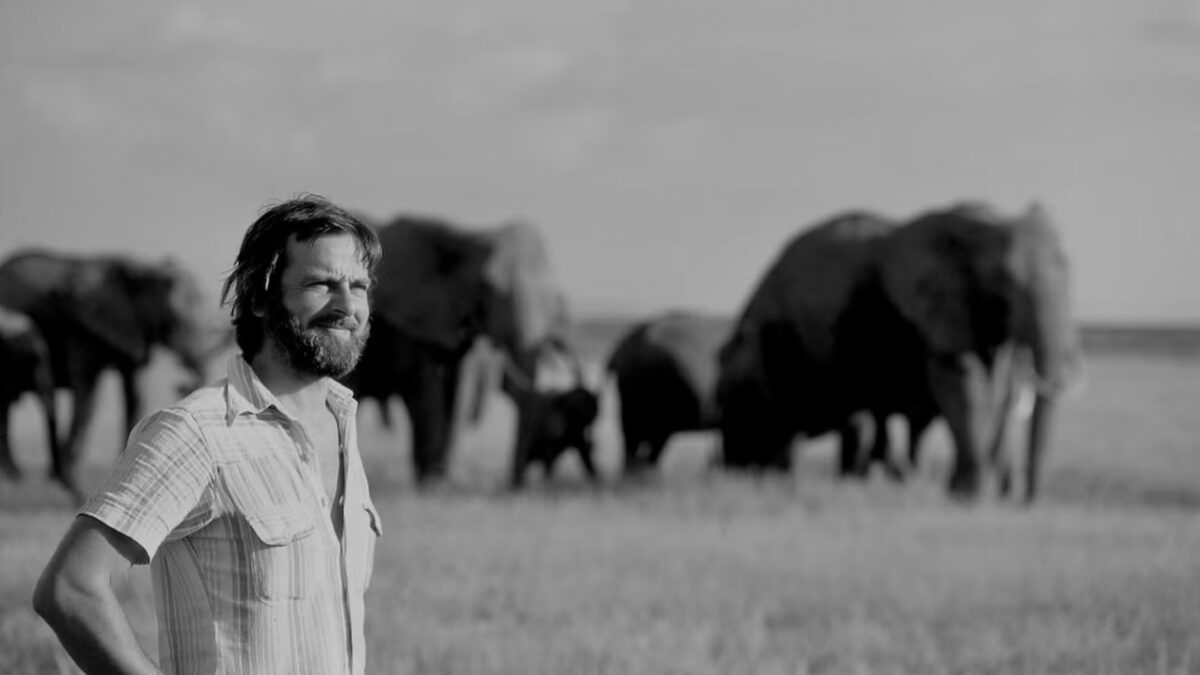
To Mike Salisbury, patience was not a virtue so much as a working method. Lions did not hunt on cue. Plants did not move at a human pace. Polar bears did not respect production schedules, or much else. The task was to wait, improvise, and find a way to show TV audiences that the natural world was stranger, livelier and more intricate than they had thought.
Salisbury, who died on May 13th aged 84, spent more than four decades turning that patience into television.
His route into that work was suitably unpolished. He did not go to university. He worked as a mechanic with Voluntary Service Overseas in Africa, where he developed his interest in photography. Back in Britain, he pressed the BBC for a chance until Horizon gave him a brief research opening. He worked first on Parkinson, then on science documentaries, before moving to the BBC’s Natural History Unit. There he found the place where persistence, practicality, and curiosity could become a career.
His breakthrough came with Life on Earth, David Attenborough’s 1979 account of evolution. Salisbury helped produce some of its most memorable sequences, including a lion hunt that had defeated him once before. He went back and got it. That became part of his reputation: not bluster, but refusal to be beaten by weather, animals, equipment, or logistics.
In 1985 he made Kingdom of the Ice Bear, filmed in Arctic conditions that tested both people and kit. Later came The Private Life of Plants, The Life of Birds, and Life in the Undergrowth, among others. His partnership with Attenborough became one of the longest and most productive in natural-history television. It worked because Salisbury understood both spectacle and explanation. A scene had to astonish, but it also had to teach.
Plants may have been his most unlikely triumph. They were rooted, silent and too slow for ordinary television. Salisbury helped solve that problem with time-lapse techniques that made their lives visible: shoots searching, tendrils grasping, flowers opening, and stems competing for light. The result was not merely pretty footage. It changed the status of plants on screen. They became actors in their own right, organisms with strategies, dramas, and appetites.
He was not, by most accounts, a grand figure. Colleagues remembered warmth, humor, kindness, and generosity as much as determination. He mentored younger filmmakers, many of whom went on to shape the field themselves. At Wildscreen in 2006, when Attenborough began describing the winner of the Outstanding Achievement award, Salisbury reportedly listened with interest, not realizing that the subject was himself.
Television natural history is often associated with the voice in front of the camera. Salisbury belonged to the craft behind it: the planning, waiting, technical experiment and judgment that made wonder look effortless. He helped teach viewers to look longer at the living world. For a filmmaker, there are few better legacies.
