Categories
Obituaries and tributes

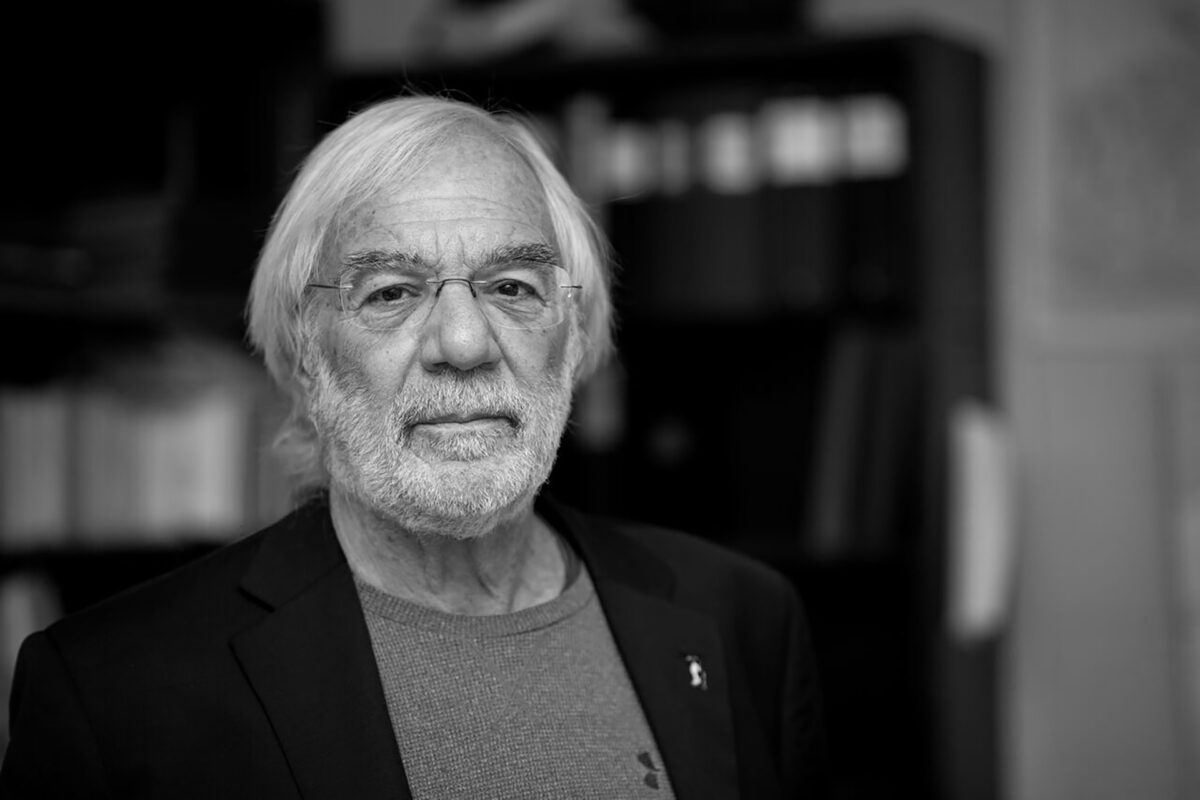
Pete Brosius helped the Penan strengthen their land rights in Sarawak

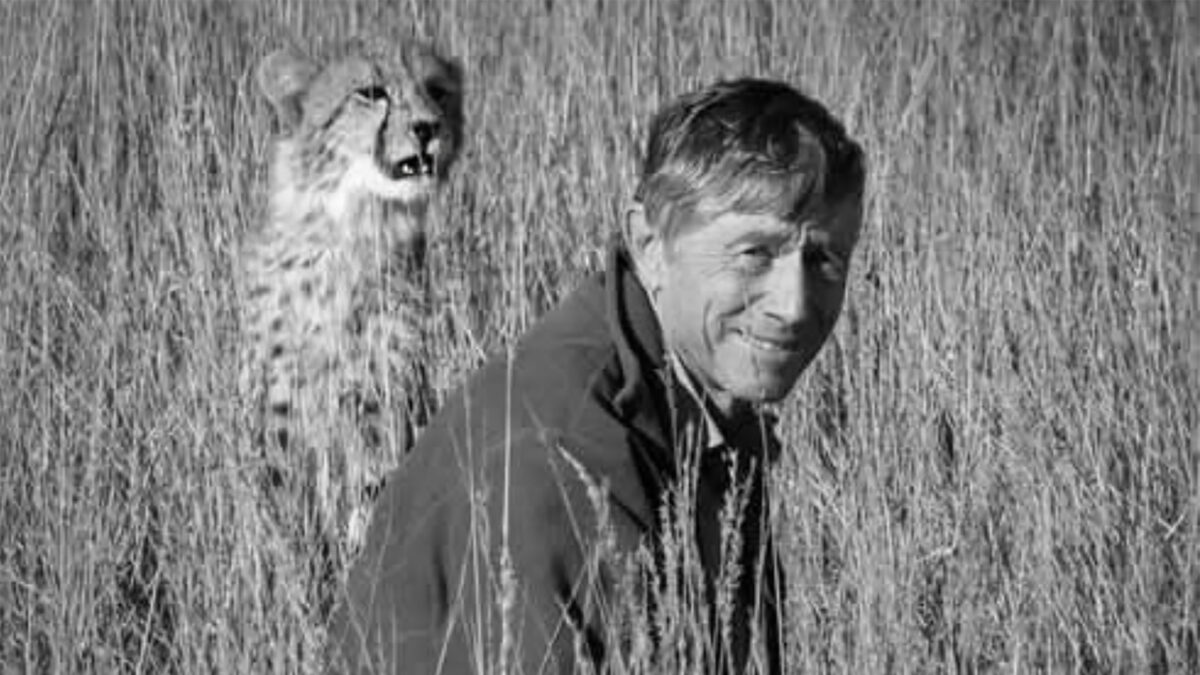
In the early 1990s, the logging roads running through Sarawak’s Upper Baram became the site of a bitter confrontation. Penan families built wooden barricades across red-dirt tracks, blocking bulldozers and timber trucks and facing units of the Police Field Force. As the protests drew international attention, the government of Chief Minister Abdul Taib Mahmud restricted [Continue reading]

Categories
Obituaries and tributes

Alberto Villegas knew Chile’s flowering desert as a herder and protected it as a ranger

For much of the year, Llanos de Challe National Park is dry and sparsely colored. Cacti rise from gravel and bare hillsides. Seeds remain underground, sometimes for years. After sufficient winter rain, flowers cover parts of the coastal desert in white, yellow, violet, and red. Most visitors arrive during the few weeks when the bloom [Continue reading]

Categories
Obituaries and tributes

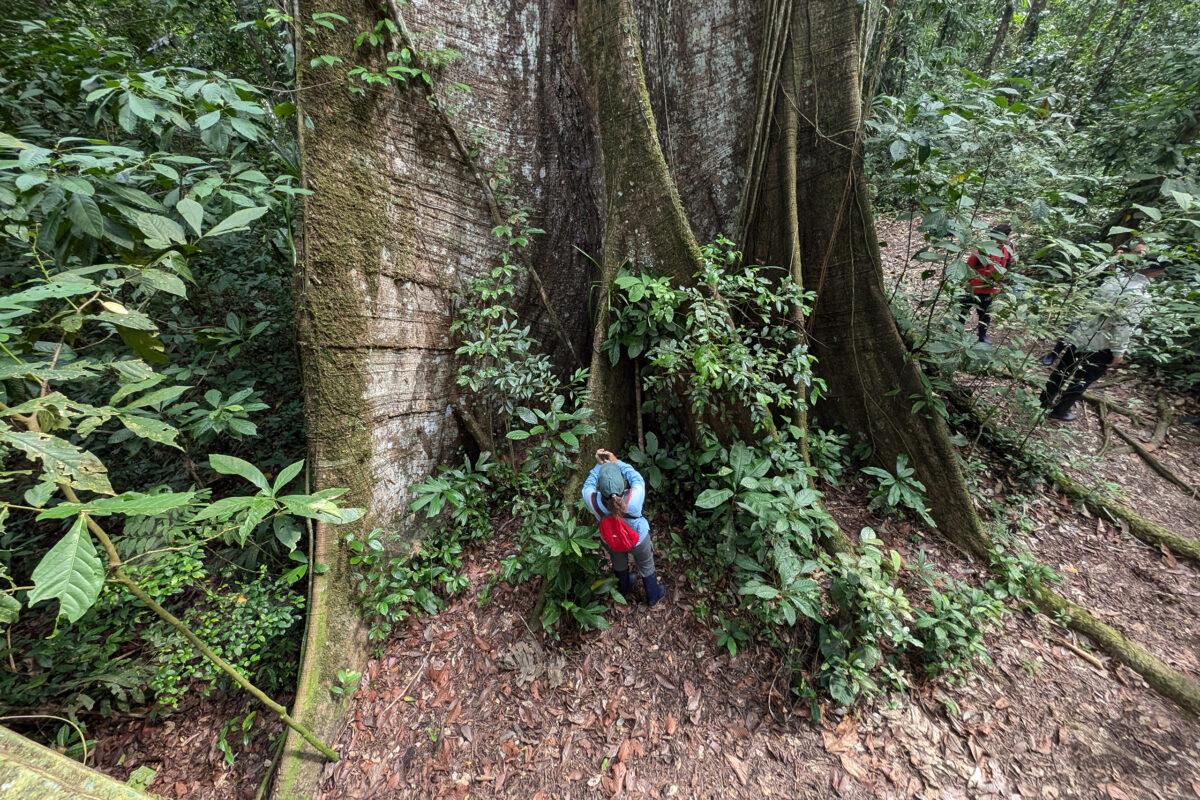
Fernando “Pino” Rubio del Valle was a stubborn defender of Peru’s forests

In the late 1970s, a group of young naturalists in Lima used a room in the Rubio family home as a headquarters for their expeditions. They called it the Gabinete de iconoclastas. There were maps to study, frogs to look for in neighborhood ponds, plants to collect, and places along Peru’s coast that seemed worth [Continue reading]

Categories
Obituaries and tributes

Biologist Mel Sunquist mentored some of the world’s leading conservationists

In the 1970s, studying wild tigers still involved more nerve than equipment. A biologist could not rely on camera traps, GPS collars, or satellite-linked data. To understand where a tiger went, what it killed, how far it ranged, and how its territory overlapped with others, someone had to follow it through forests and grasslands with [Continue reading]

Categories
Obituaries and tributes

For Lydia Möcklinghoff, the giant anteater was her life’s work

The giant anteater is easy to treat as a curiosity: a narrow head, poor eyesight, strong claws, and a tongue that can reach beyond its mouth. Its life can appear simple until someone tries to study it. Then come harder questions: where it feeds, what cover it needs, and how fire, drought, roads, and ranching [Continue reading]

Categories
Commentary and analysis

Bill Montevecchi, seabird ornithologist and science communicator

The North Atlantic can look empty until someone begins paying attention. A stretch of gray water off Newfoundland may appear to hold little more than waves and scattered birds. To Bill Montevecchi, those birds were evidence. Their breeding success, feeding trips, and changing numbers revealed what was happening beneath the surface, offering clues about fish [Continue reading]

Categories
Obituaries and tributes

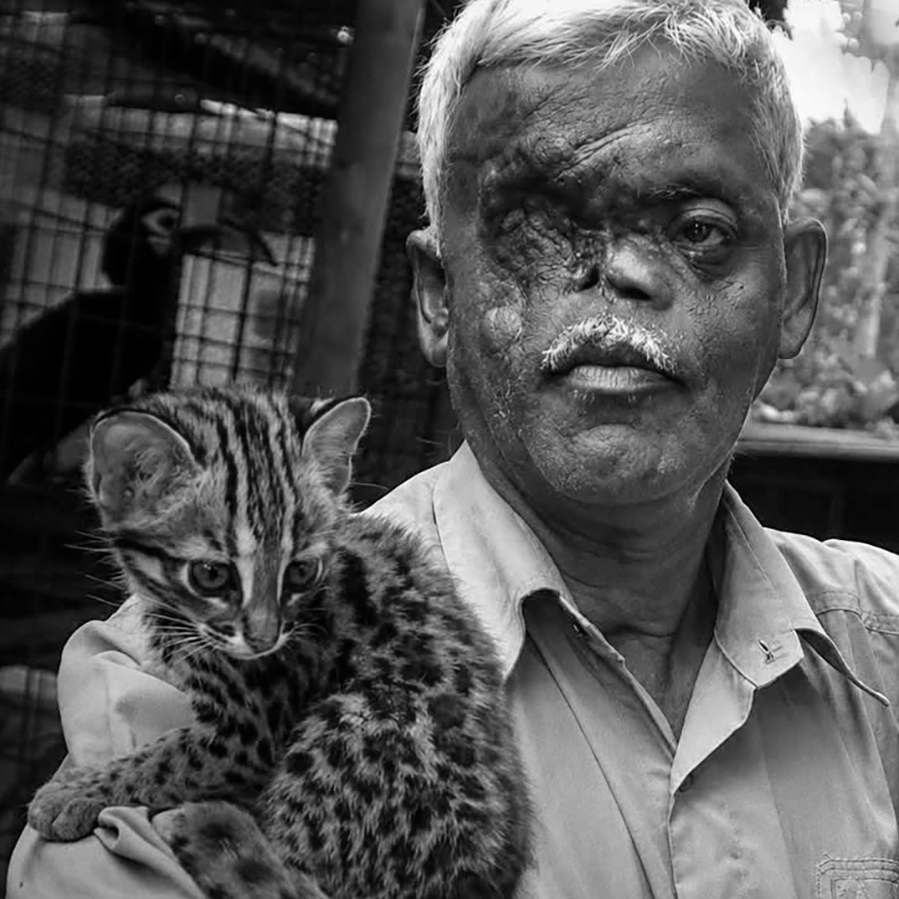
After a bear mauled him, Sitesh Ranjan Deb became a rescuer of Bangladesh’s wildlife

The bear came out of the forest with enough force to kill him. It mauled the hunter badly and cost him an eye. During three months in a hospital, he began asking why he was hunting and killing animals. Hunting had come through his family. His father and grandfather were known around Sreemangal, in northeastern [Continue reading]

Categories
Obituaries and tributes

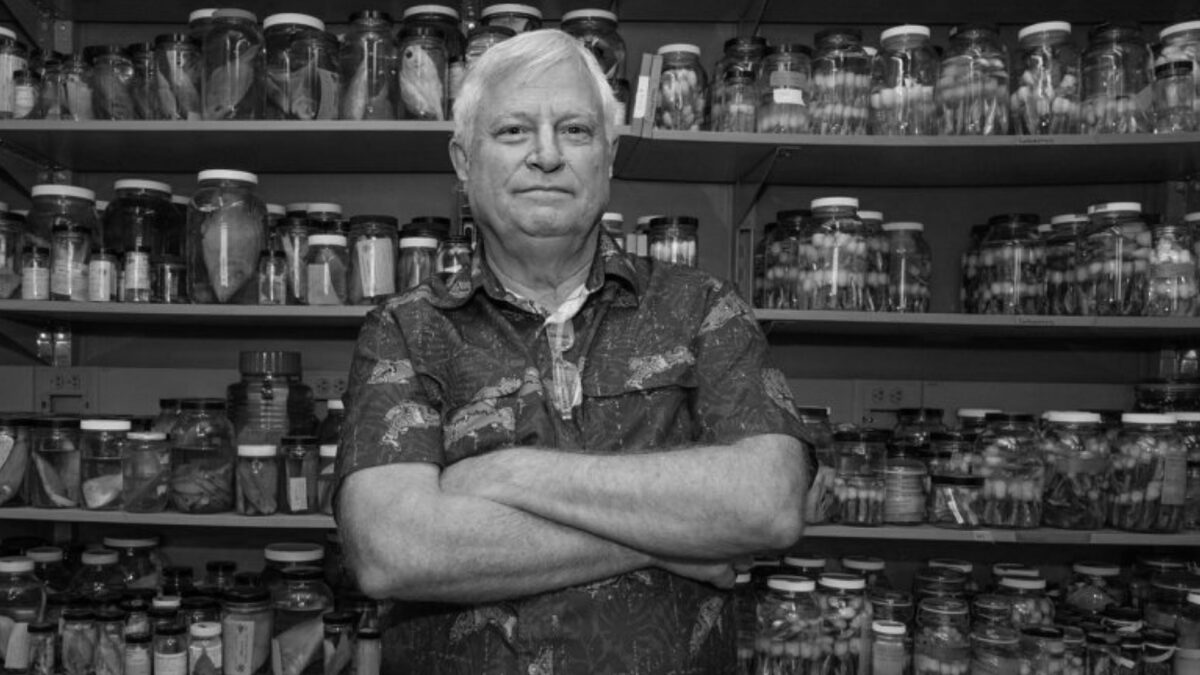
Kent Carpenter helped put Philippine marine biodiversity on the map

By some accounts, in the Philippine reefs of the 1970s, large groupers appeared every 50 feet or so. Some seemed as large as Volkswagen Beetles. Around them were snappers, fusiliers, wrasses, turtles, and corals, along with fish whose identities were still uncertain. Kent E. Carpenter arrived in the Philippines at 22, soon after graduating from [Continue reading]

Categories
Obituaries and tributes

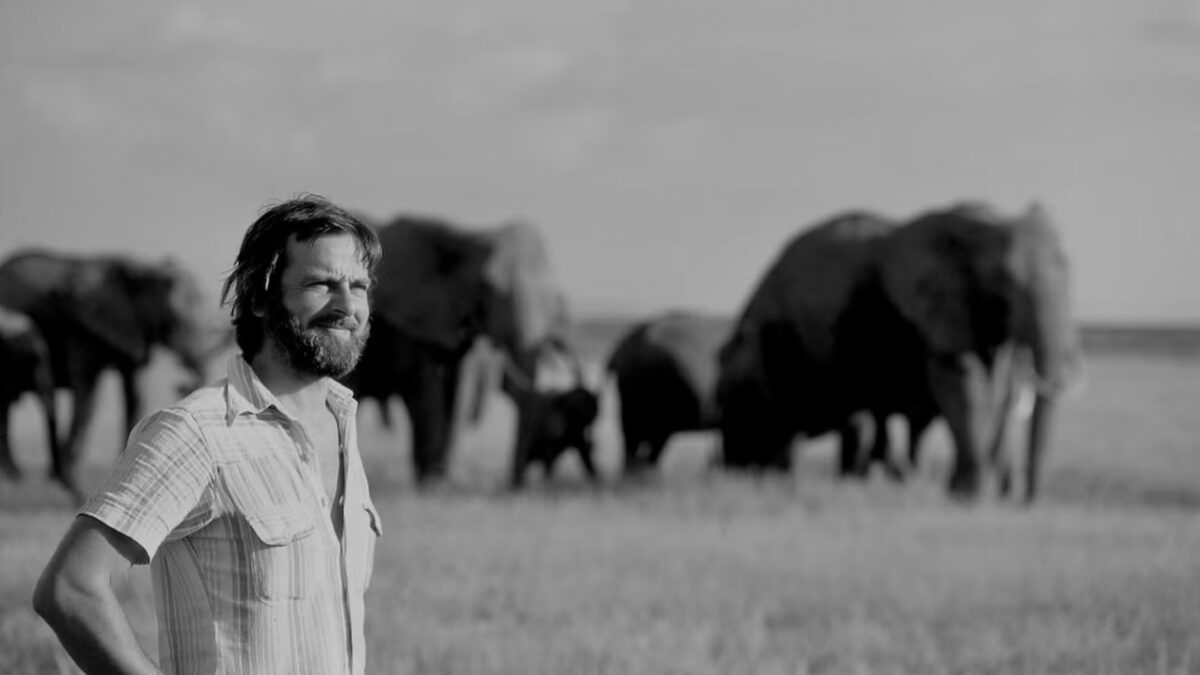
Gus Mills, carnivore conservationist and defender of the hyena

Gus Mills spent a lifetime studying Africa’s carnivores On visits to Kruger National Park, children were awoken by Gus Mills at midnight to look for bushbabies and again at five in the morning to search for big cats. Wildlife kept inconvenient hours, and he expected his companions to adjust. Michael “Gus” Mills, who died on [Continue reading]

Categories
Obituaries and tributes

Tony Parkes and the work of repair

On the far north coast of New South Wales, the Big Scrub once covered about 75,000 hectares of rich basalt country. It was a lowland subtropical rainforest of figs, vines, palms and fruit doves. By the time modern conservationists took stock of it, little more than one percent remained, divided among small patches on farms, [Continue reading]

Categories
Random pieces

The deforestation rate is falling in the Amazon rainforest

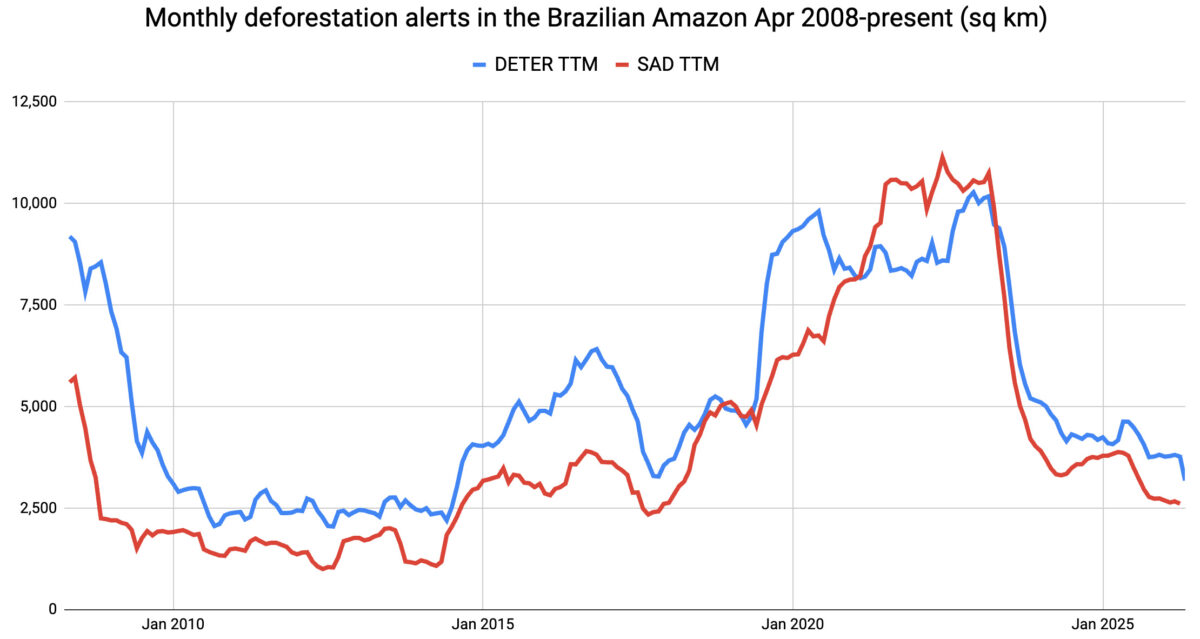
Brazil’s National Institute for Space Research, or INPE, detected 370 square kilometers of deforestation in May through its DETER alert system. That is down from 960 square kilometers in May 2025, a decline of about 61%. May is an important month in the Amazon deforestation calendar. It often marks the transition toward the drier season, [Continue reading]

Categories
Mongabay Features

How Rainforest Action Network made distant forest destruction feel local

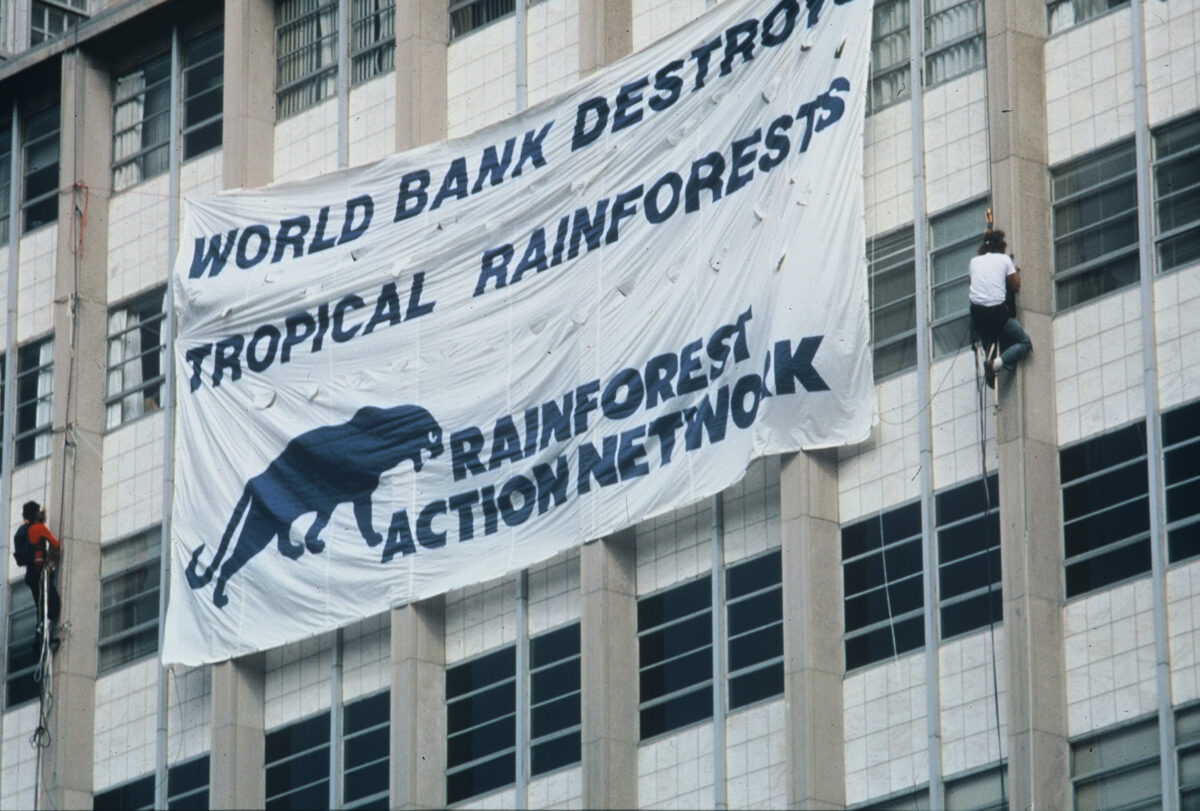
When Rainforest Action Network began in 1985, it had little of what usually makes an organization powerful. It had no large budget, no legal department, no steady access to politicians, and no formal way to force corporations or development banks to change. It had Randy Hayes, a wide activist network, a way to connect distant [Continue reading]

Categories
Obituaries and tributes

Monika Silva Koniuszek, 41, was a mother, migrant, and defender of Ecuador’s coast

Montañita is a place many people intend to pass through. They come for surf, sun, music, and a stretch of Ecuador’s coast that has long sold itself as free-spirited. Some stay longer. They open small businesses, learn the workings of the communes, put children into local schools, and begin to notice what visitors often do [Continue reading]

Categories
Obituaries and tributes

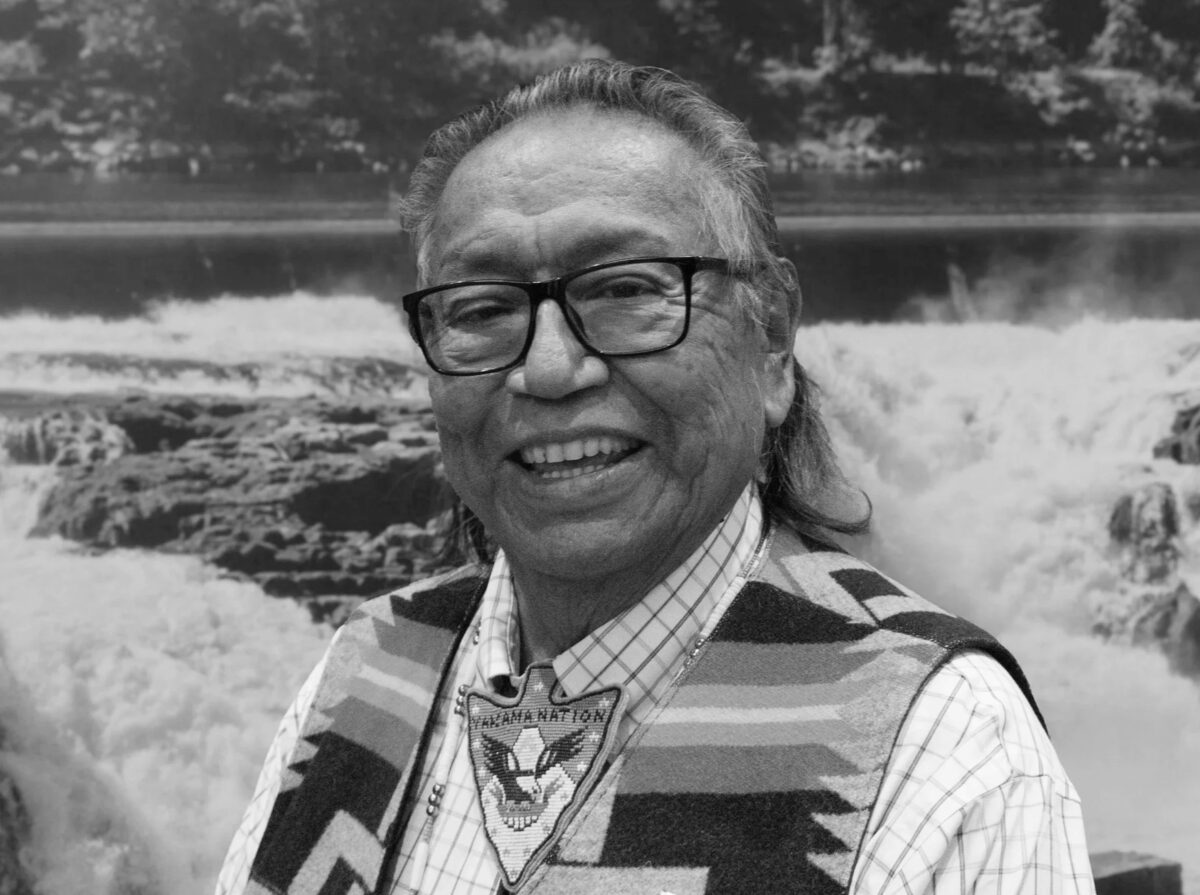
Davis “Yellowash” Washines defended the Columbia River as a sacred trust

At Bradford Island, near Bonneville Dam, the river carried more than water. Beneath the Columbia’s surface were toxic sediments, dumped near a place where Yakama people had fished since time immemorial. To officials, it was a cleanup site. To the Yakama Nation, it was a usual and accustomed fishing place, protected by treaty. To Davis [Continue reading]

Categories
Commentary and analysis Mongabay Features

The Amazon’s protected areas exist on paper. Many still lack the money to work.

For protected areas in the Brazilian Amazon, one basic question is often overlooked: is there enough money to manage what lies inside the boundary? A reserve may exist in law. It may appear on maps and in official counts of how much of Brazil is under protection. On the ground, management depends on staff, fuel, [Continue reading]

Categories
Commentary and analysis Mongabay Features

Six gaps shaping the Amazon’s future

In the Amazon, a forest can remain on the map while losing much of what makes it function. Deforestation, carbon, protected areas, and tipping points are useful measures, but they do not fully explain why biodiversity continues to decline where laws exist, territories are recognized, and international pledges sound ambitious. Six gaps help explain the [Continue reading]

Categories
Obituaries and tributes

Mike Salisbury and the art of waiting for the wild

To Mike Salisbury, patience was not a virtue so much as a working method. Lions did not hunt on cue. Plants did not move at a human pace. Polar bears did not respect production schedules, or much else. The task was to wait, improvise, and find a way to show TV audiences that the natural [Continue reading]

Categories
Obituaries and tributes

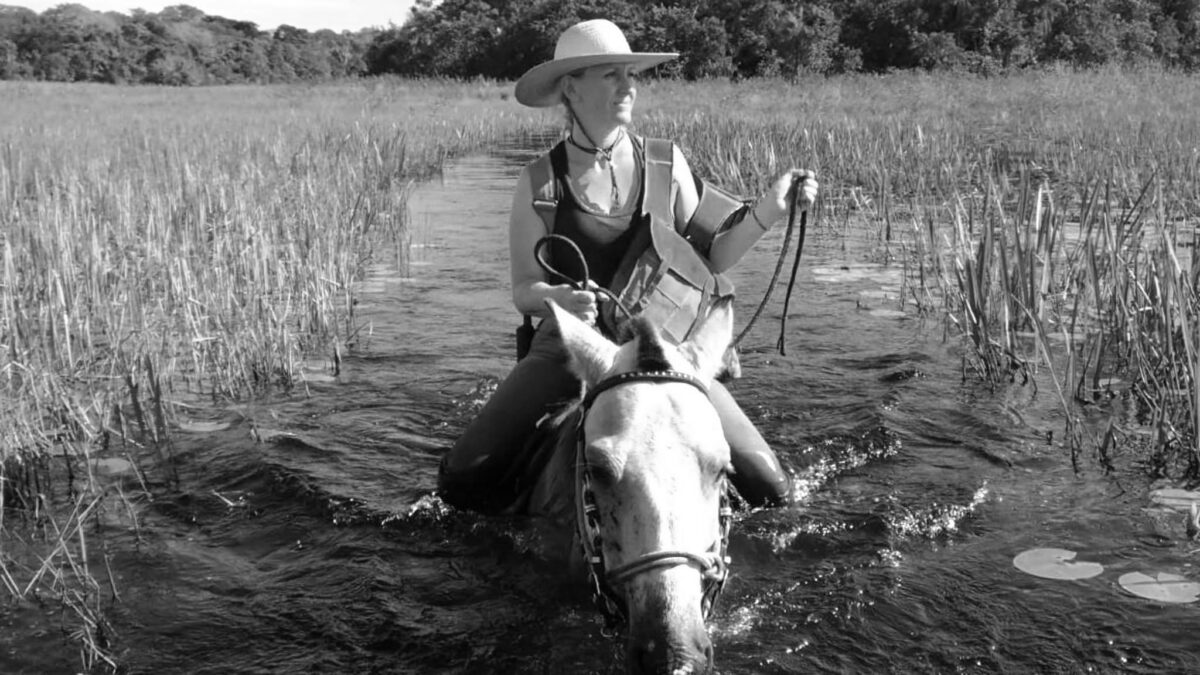
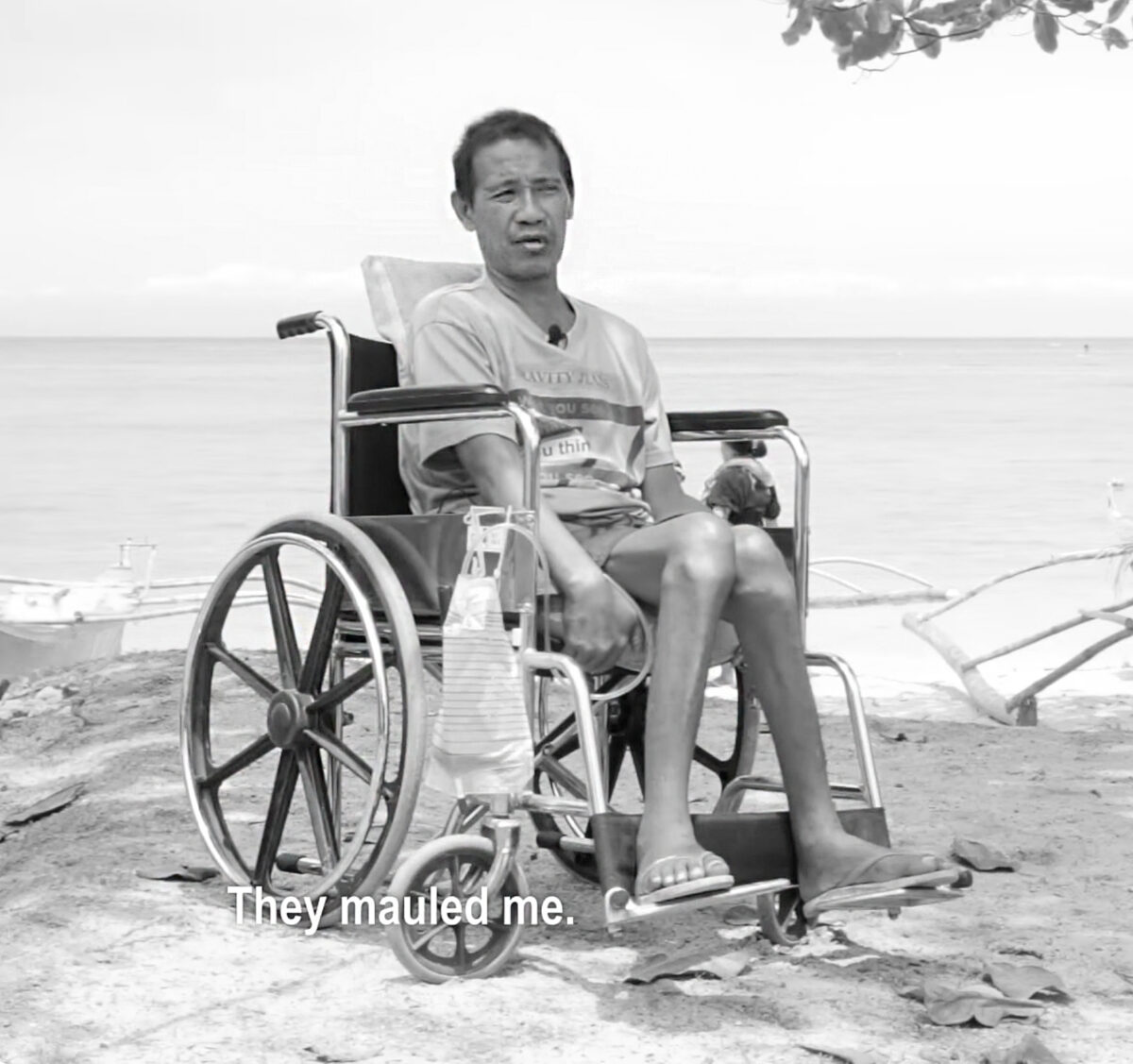
An assassin’s bullet left Norlan Pagal in a wheelchair. It did not end his patrol

Norlan Pagal knew the waters of Tañon Strait from a lifetime spent fishing them. By the early 2000s he had watched catches decline as commercial boats entered waters reserved for small fishers and destructive fishing practices damaged reefs. In 2002 he joined the bantay dagat, the volunteer sea patrol that protects coastal waters in the [Continue reading]

Categories
Media appearances The Business of Mongabay

The Reuters Institute profiles Mongabay

I recently spoke with Maurice Oniango for the Reuters Institute for the Study of Journalism at the University of Oxford about Mongabay’s evolution from a personal rainforest website into a global environmental newsroom. One theme we discussed was how journalism models shape coverage itself. Advertising-driven media often pushes outlets toward scale, speed, and broad audience [Continue reading]

Categories
Obituaries and tributes

Monica Montefalcone, seagrass scientist, has died at 51

To Monica Montefalcone, the sea was a place to study: its plants, reefs, hidden habitats and seasonal changes. A meadow of Posidonia oceanica was not just a patch of green beneath the water. It provided nursery habitat, shelter, carbon storage and coastal protection. To most swimmers it might have looked like seagrass. To her it [Continue reading]

Categories
Commentary and analysis Media appearances

Singapore’s outsized role in the future of ocean governance

Ahead of this week’s Philanthropy Asia Summit, Thomas Knudsen and I published a commentary in the Business Times on Singapore’s outsized role in the future of the ocean Debates about ocean protection tend to focus on treaties, national policies, and international agreements. Fisheries quotas are negotiated between governments. Shipping rules are set through global bodies. [Continue reading]

Categories
Mongabay Features

Conservation fails when it is treated as a project

Conservation often sounds most persuasive when it is described as a plan. There are maps, budgets, governance models, community consultations, monitoring frameworks and theories of change. All are necessary. None is sufficient on their own. Luis Arranz, who has spent more than four decades working in Central African conservation, makes a simpler point: the hard [Continue reading]

Categories
Obituaries and tributes

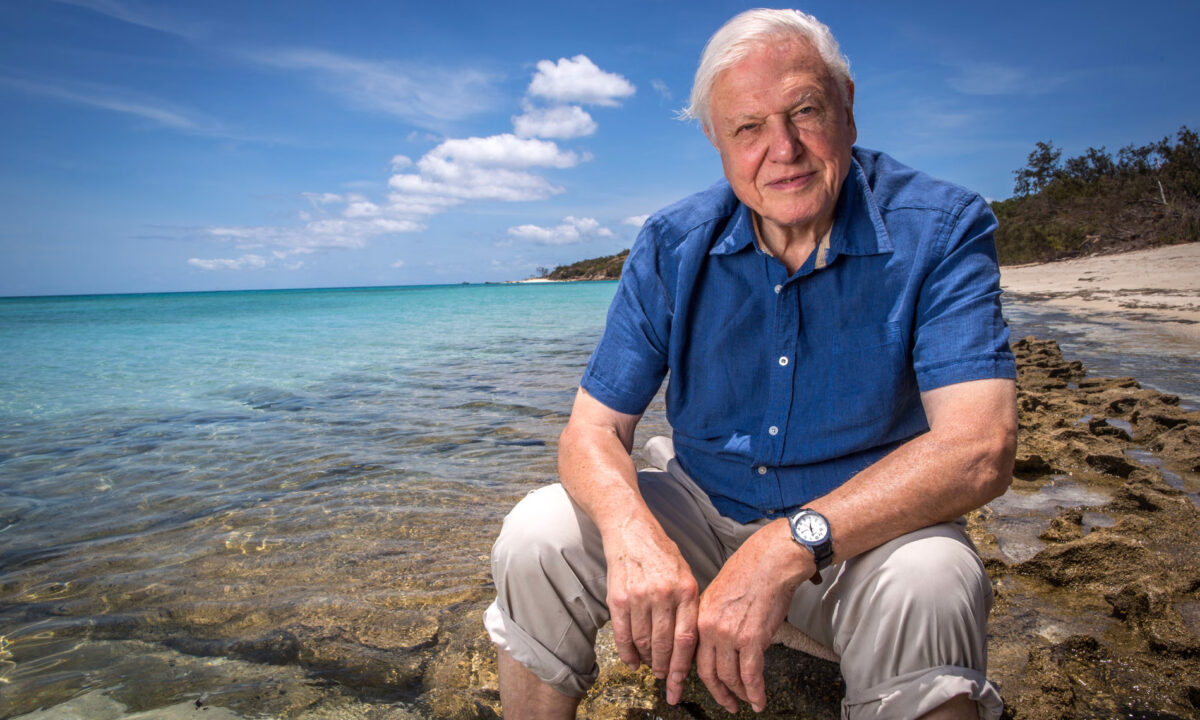
David Attenborough helped the world fall in love with nature. Then he warned us what we could lose

As his 100th birthday approaches, David Attenborough occupies an unusual place in public life: not a practicing scientist, not quite a conventional journalist, and no longer only a broadcaster. His voice has become one of the most recognizable ways the public encounters the living world. That was not always his role. When Attenborough began at [Continue reading]
Categories
Mongabay journalism

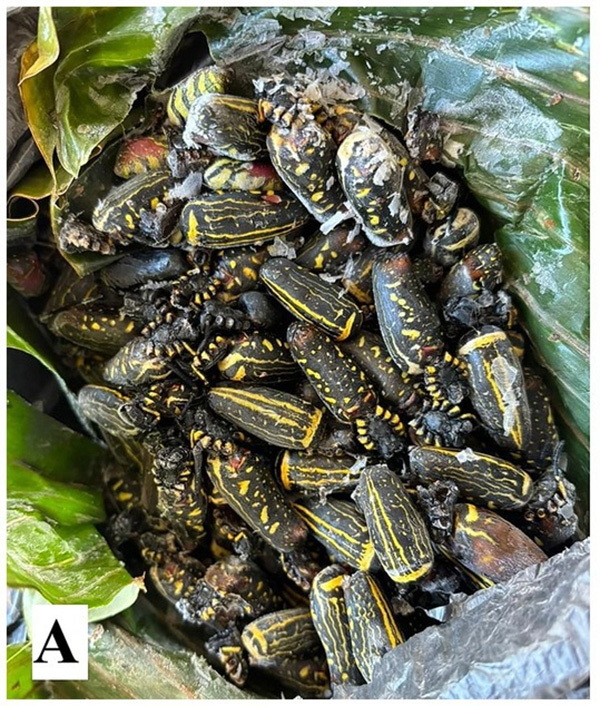
The case for eating spiders

In Nagaland, edible spiders are not a novelty. They are part of a local food tradition. A new study in Frontiers in Sustainable Food Systems documents the consumption of two orb-weaver spiders, Nephila pilipes and Trichonephila clavata, both known in the Lotha Naga language as siyankyü. The study, based on interviews with 33 people with [Continue reading]
Categories
Obituaries and tributes

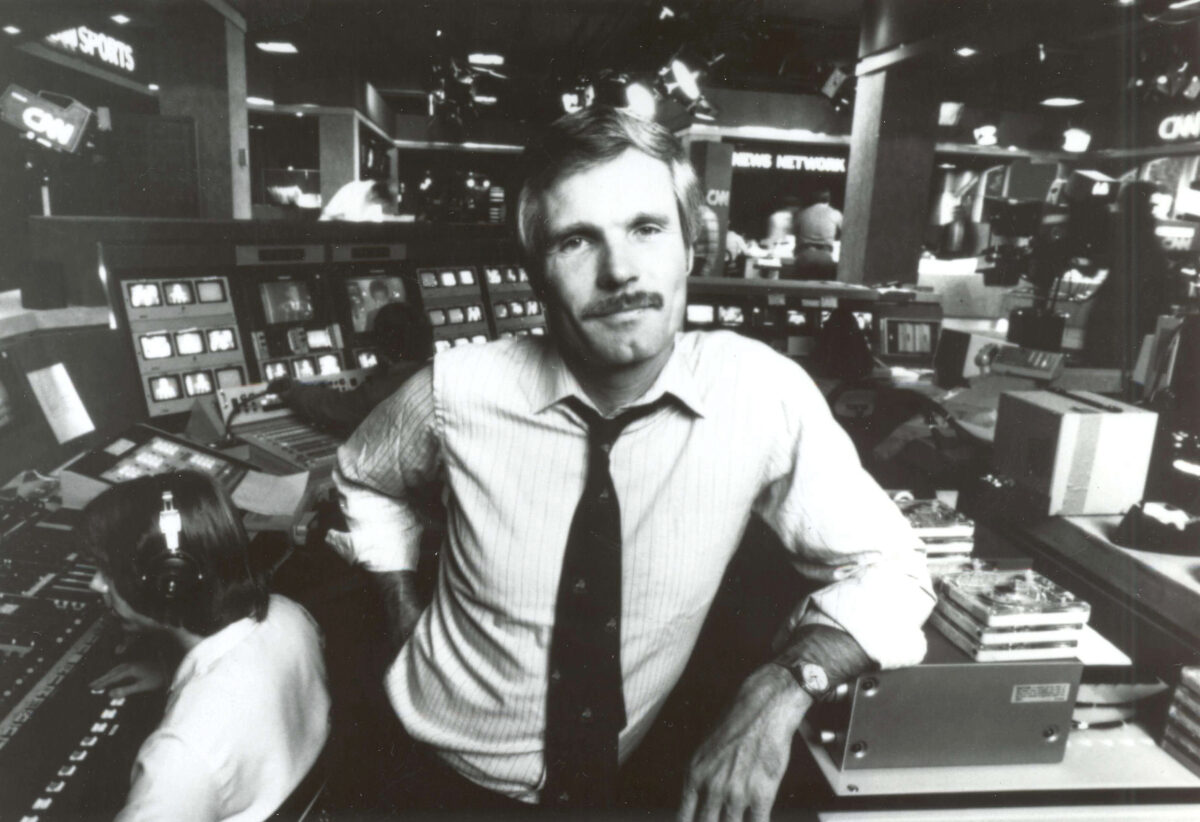
Ted Turner’s other empire

Ted Turner, who died today, liked to present himself as a businessman who had simply applied the same habits to a larger subject. First he bought a struggling billboard company and made it work. Then he built a television empire, beginning with CNN in 1980. After that, he turned much of his attention to land, [Continue reading]