Categories
Talks

They restored the forest. Then they gave it back.

Last Thursday I gave the keynote address at the Pacific Forest Trust’s Forest Fete gala. I spoke about four lessons I’ve learned over 27 years at Mongabay on how to reach and engage audiences: Identifying your audience (who you’re actually trying to reach) Framing (how the issue is presented) Narrative (what makes people stay and [Continue reading]


Categories
Commentary and analysis

What Jane Goodall Day reveals about her legacy

April 3 now carries a different kind of weight. It was always Jane Goodall’s birthday. Now it is also a marker—a point in the year when people are asked not just to remember her, but to do something with what she began. The idea behind the first Jane Goodall Day is simple. Take one action. [Continue reading]

Categories
Media appearances My journey The Business of Mongabay

From “The most depressing site on the internet” to stories of possibility

The following is some of what I shared during a recent conversation with Matt Pycroft on The Adventure Podcast’s ‘The Far Reaches’ series. For a long time Mongabay existed in a way that was almost embarrassing to describe. People would write to ask about the organization and imagine an office somewhere with editors, departments and [Continue reading]

Categories
Commentary and analysis Media appearances Talks

Beyond the doom loop: the case for informed optimism

Conservation has never lacked alarming facts. What it increasingly lacks is attention. After years of grim headlines, many people do not just feel sad. They disengage. They stop reading, stop donating, and in some cases stop believing that anything meaningful can still be done. That reality is no longer a side issue for the movement. [Continue reading]

Categories
My journey

Less crisis, more agency

For a movement so often framed by loss—and confronting a particularly difficult moment—conservation is relearning how to talk about itself. This shift may signal something deeper than messaging: a recalibration of what persuades people to care, to fund, and to act, especially as the world edges toward 2030 amid ecological strain, political volatility, and thinning [Continue reading]

Categories
Tips

How to find optimism

Since publishing my piece on optimism in conservation, I’ve heard from a lot of people who are finding it tough. I’m not an expert, but these are some things that might help in the right situation. Optimism is hard to summon when the work feels like bailing a boat in a storm. Treat it as [Continue reading]

Categories
Random pieces

Why optimism matters in conservation

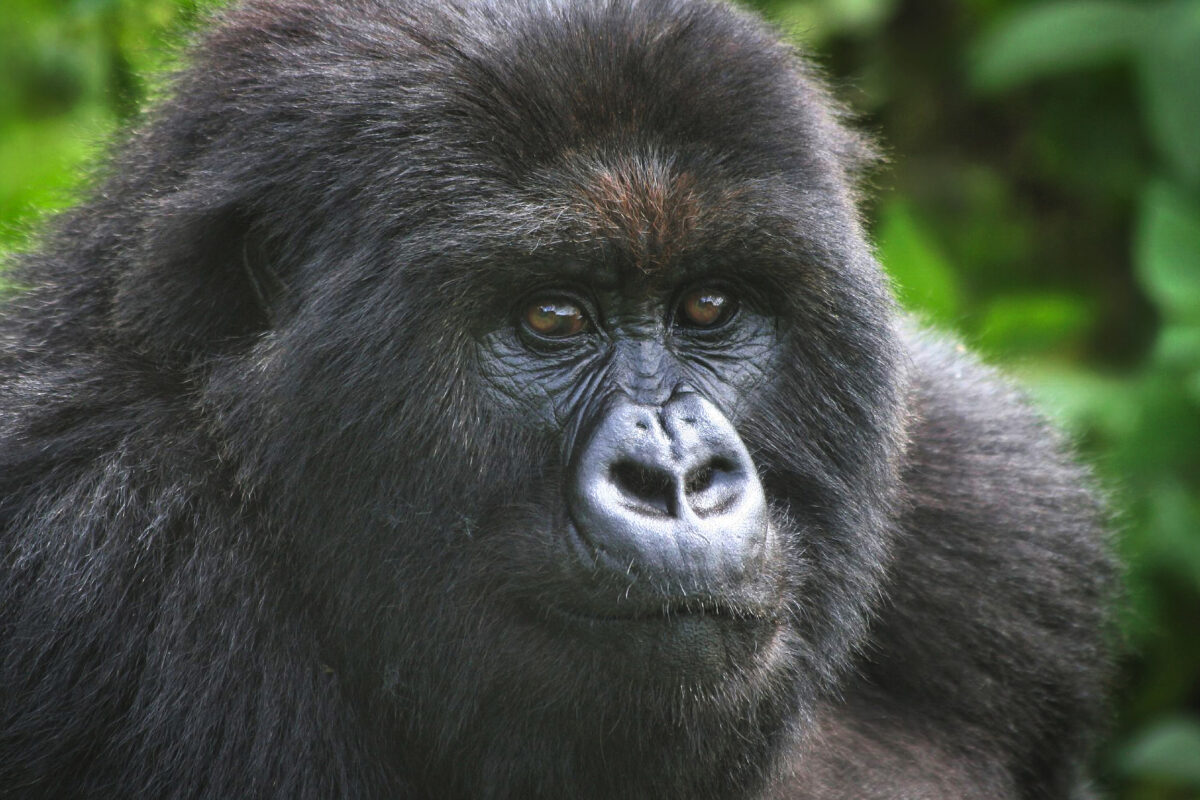
The mountain gorilla should have vanished. In the late 1980s, mountain gorillas clung to survival in the misted borderlands of Rwanda, Uganda, and the Democratic Republic of Congo. Poaching, snares, and civil conflict made extinction feel like a timetable. What changed was not a miracle but a grind: rangers risking their lives to keep snares [Continue reading]

Categories
Random pieces

Rethinking the narrative: Big environmental change needs smaller stories of success

For decades, conservationist Enrique Ortiz has worked to protect some of the world’s most vital ecosystems. But in his recent commentary for Mongabay, he voiced a stark truth that many in conservation rarely say aloud: Environmental messaging is failing to inspire enough people to act. The facts are known, yet they rarely change minds. To [Continue reading]

Categories
Mongabay journalism

On the frontlines of a planet in peril, action speaks louder than hope

When journalist Alan Weisman set out to write Hope Dies Last, he did so from a place of despair. Decades of reporting on ecological collapse, species loss, and the unraveling of Earth’s systems had left him wondering whether the planet could recover from the harm wrought by its dominant species. But as he traveled across [Continue reading]

Categories
The Business of Mongabay

Why we pair crisis reporting with stories of hope

I often return to this series of images, which I took in Jambi, Indonesia, in 2022. At first glance, it seems to capture something hopeful: a full-circle rainbow arcing over a lush green landscape. But look closer, and you’ll see what lies beneath the beauty—a vast palm oil plantation, carved out of what was once [Continue reading]

Categories
Random pieces

If nature refuses to give up, why should we?

It’s been a rough few weeks for those who care about the fate of the planet, the wellbeing of others, and the health of the information ecosystem. In moments like these, it’s easy to feel overwhelmed—to wonder whether the effort is worth it, whether the tide of setbacks is too strong to push against. This [Continue reading]

Categories
The Business of Mongabay

Regardless of the election outcome, our role is more important than ever.

As we await results from today’s election, one of the most important in recent U.S. history, the implications for the planet and its future feel more pressing than ever. No matter who prevails, our work at Mongabay remains profoundly significant. The outcome will undoubtedly influence policy shifts impacting ecosystems, climate action, and biodiversity, potentially altering [Continue reading]

Categories
Talks

What kind of coverage is missing in climate reporting?

Earlier this week I joined a panel on climate journalism organized by Climatebase for their fellowship program. One of the questions I was asked was, “What kind of coverage or content do you think is missing in climate media?“ I mentioned the importance of telling stories that resonate with target audiences. Preaching to the choir [Continue reading]

Categories
Talks

Reasons for hope in the face of the global environmental crisis

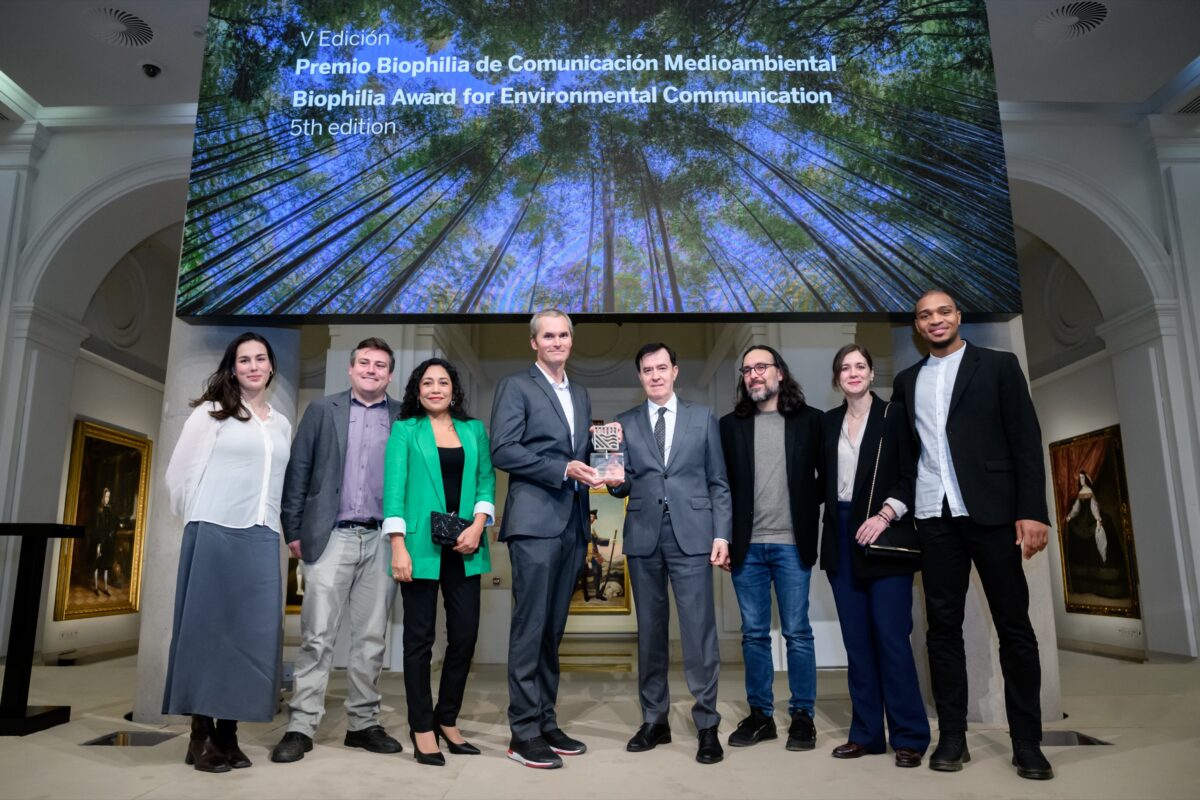
On Monday night I gave a lecture at the prize ceremony for the BBVA Foundation’s 5th Biophilia Award for Environmental Communication (English) (program). The event was held in Madrid. I was asked to speak about “Reasons for hope in the face of the global environmental crisis” and provide a text of my remarks ahead of [Continue reading]

Categories
Mongabay Features

10 reasons to be optimistic for forests

It’s easy to be pessimistic about the state of the world’s forests. Rates of forest loss remain persistently high, especially in the tropics and boreal regions. Drought, fragmentation, degradation via logging, and climate change are conspiring to make forests more vulnerable to fire: vast areas of forest went up in smoke across Canada, Russia, the [Continue reading]