Categories
Mongabay Features

The science behind coral bleaching events

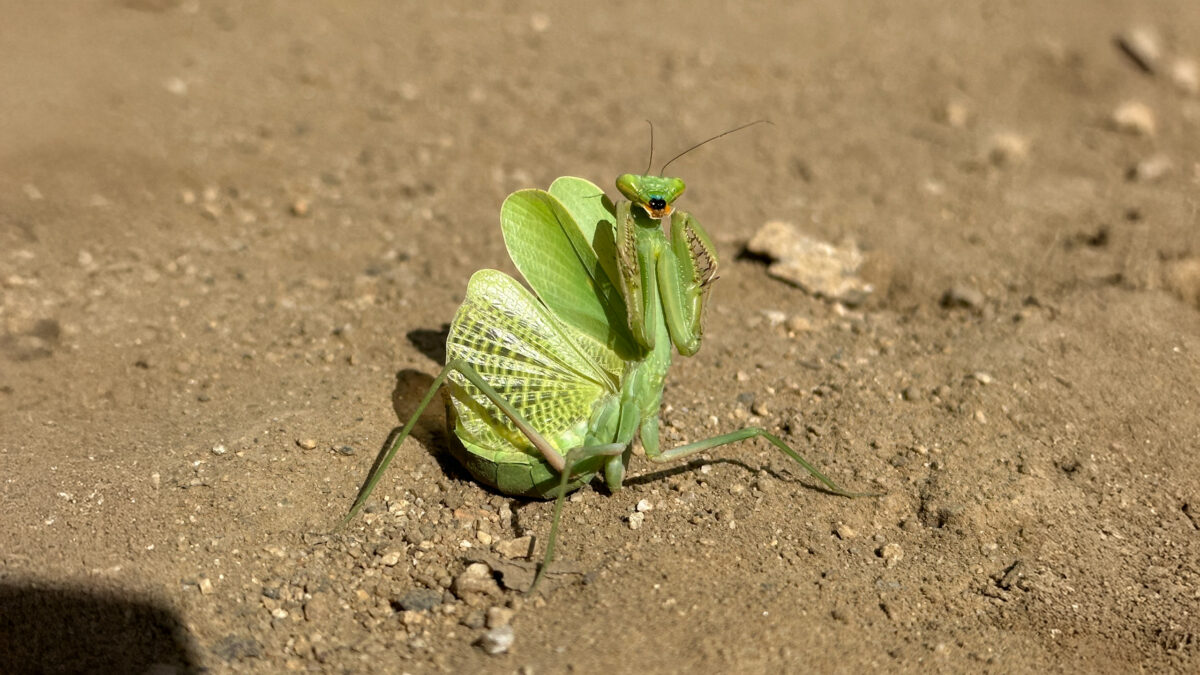
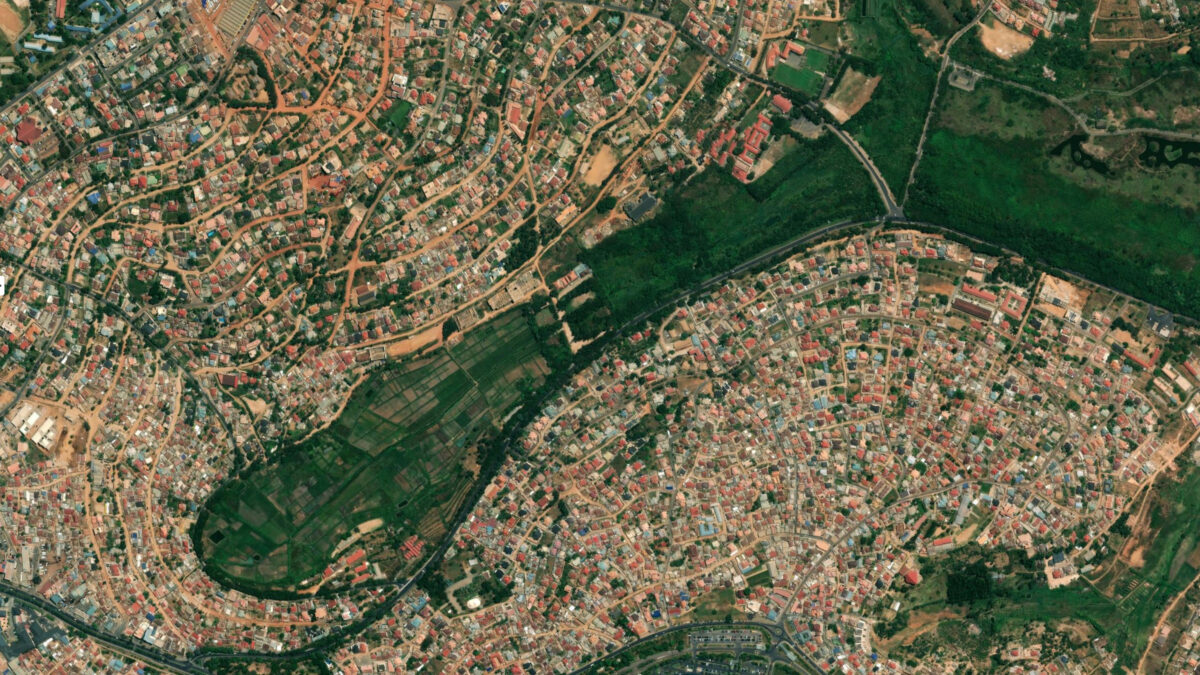
Coral reefs are among the most productive ecosystems on Earth, built slowly by animals that resemble plants. Each coral polyp hosts microscopic algae that convert sunlight into energy. When ocean temperatures rise, this partnership breaks down. The coral expels the algae, loses its color, and turns white — a process known as bleaching. The coral [Continue reading]
Categories
Mongabay Features

The Amazon generates 20 billion of dollars’ worth of rainfall each year, study finds.

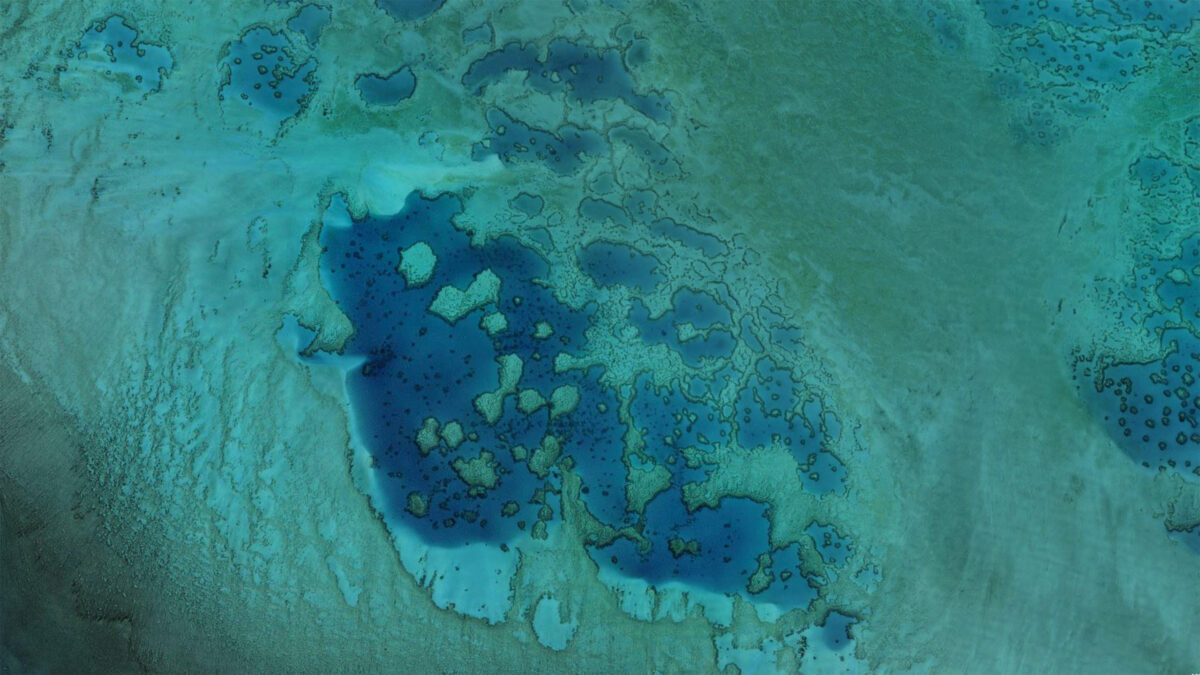
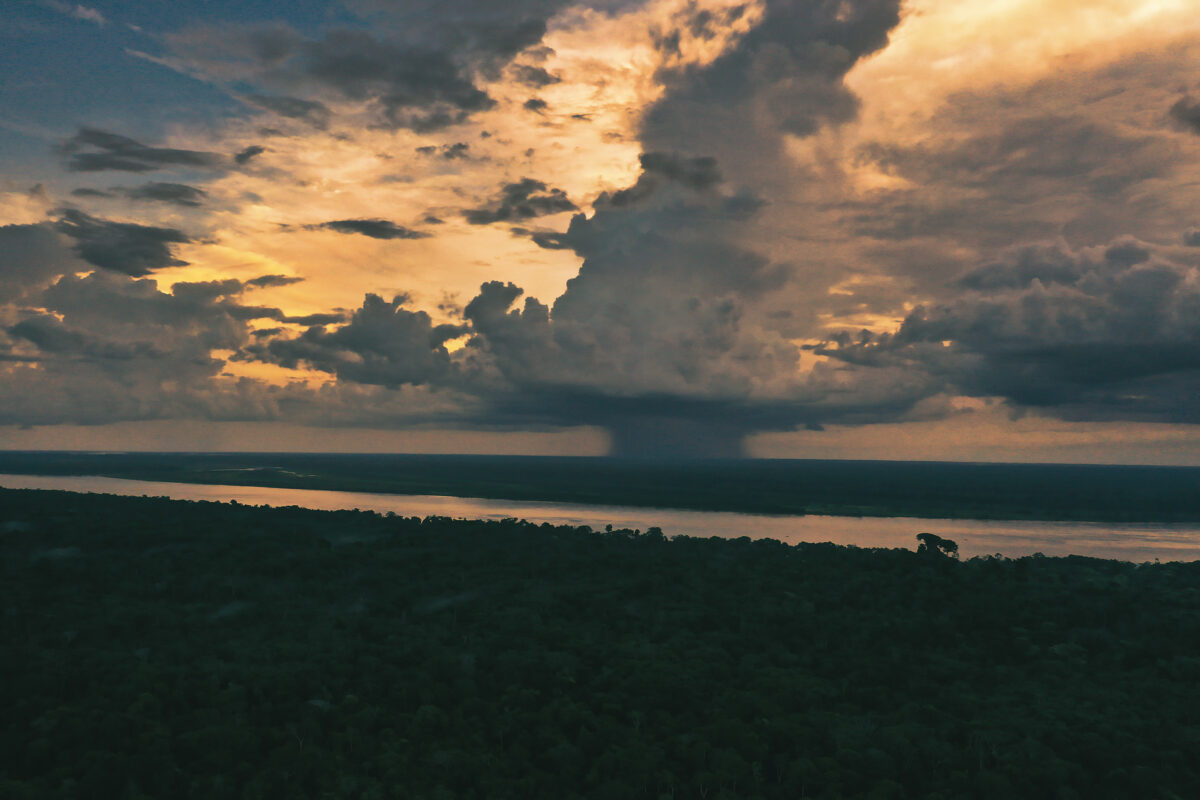
Rainfall is often treated as a gift of geography — a function of latitude, oceans, and atmospheric circulation. Research increasingly suggests that in the tropics it is also a product of ecosystems. Forests do not merely receive rain; they help generate it, regulate its distribution, and sustain the conditions that allow it to persist. A [Continue reading]

Categories
Mongabay Features

Biodiversity is global. The work is local.

Lisa Miller did not come to biodiversity finance through markets or models. She came through animals. Growing up in Australia, her interest in wildlife was personal and specific, long before conservation became a policy debate or an investment theme. That early pull led her to study zoology and later to work at the Australian Museum, [Continue reading]

Categories
Mongabay Features

What we lost and what we found in 2025

Extinction is rarely a moment. It is a process that unfolds offstage, marked by missed sightings, thinning records, and the slow reassignment of hope to footnotes. Discovery, too, is rarely a moment. It is a process of comparison, argument, and waiting—years spent persuading other experts that what you are seeing is, in fact, new. A [Continue reading]

Categories
Mongabay Features

2025: A year of mixed signals for the world’s tropical forests

On Friday, I published my annual “Year in Rainforests” on Mongabay. The process is always taxing and every year I swear will be the last. Here’s a summary of the piece.  2025 was a mixed year for the world’s tropical rainforests. In several countries, deforestation declined, sometimes sharply. At the same time, other forms of [Continue reading]

Categories
Mongabay Features

From Kalimantan’s haze to Jakarta’s grit: a journalist’s journey

Indonesia’s environmental challenges can feel overwhelming when taken as a whole. A country often said to contain more than 17,000 islands, it holds the world’s third-largest tropical rainforest—and a resource economy that has reshaped much of that landscape. For many Indonesians, modern development is experienced not in graphs but in the air around them: childhoods [Continue reading]

Categories
Mongabay Features

Virgilio Viana’s view of the Amazon at a crossroads

The first time Virgilio Viana saw the Amazon, he was a 16-year-old traveling with two school friends, moving along dirt roads, then continuing by boat as the forest rose around them. The trip set something in motion. It stayed with him through a forestry degree, a PhD on the region, and later a professorship in [Continue reading]

Categories
Mongabay Features

Chris Grinter has spent much of his life surrounded by insects

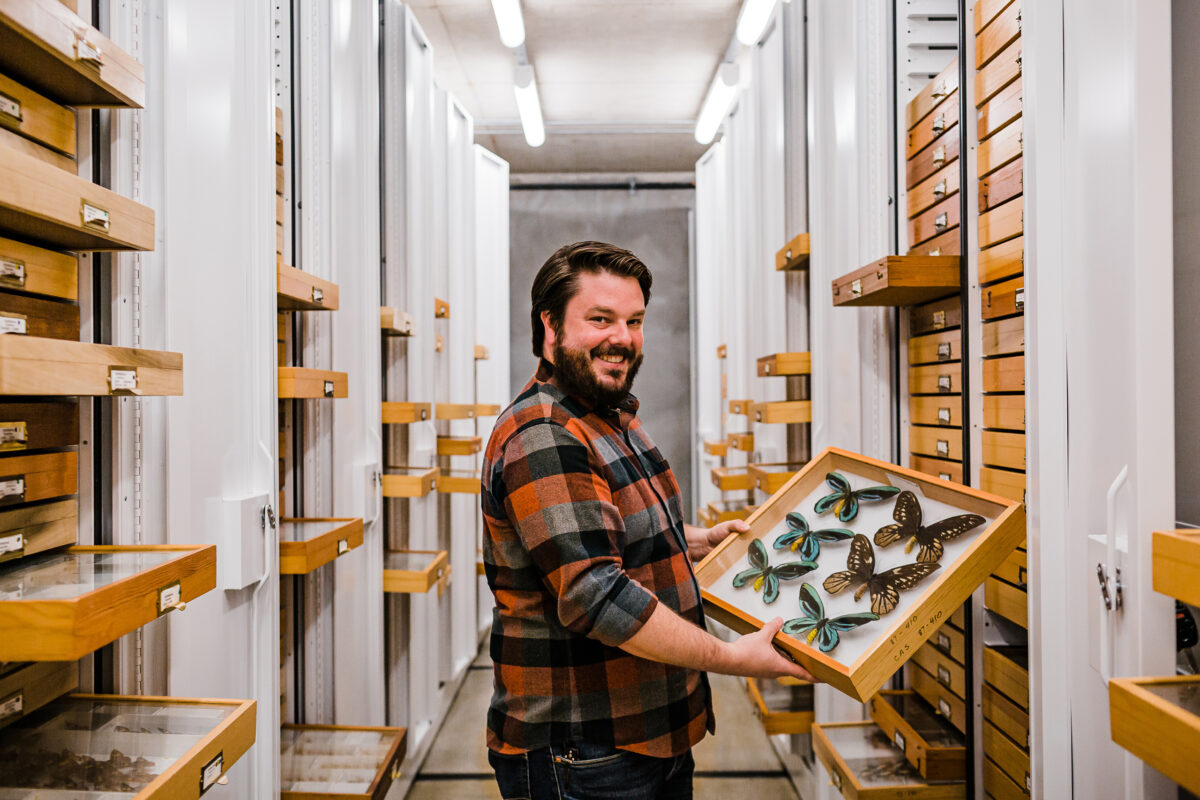
Chris Grinter has spent much of his life surrounded by insects—though not in the way most people imagine. As Senior Collection Manager of Entomology at the California Academy of Sciences, he oversees one of the world’s major insect archives, preserving everything from the smallest moths to the largest butterflies. His work supports the California All-Taxa [Continue reading]

Categories
Mongabay Features Random pieces

Jane Goodall’s memorial

Today the nave of Washington National Cathedral was filled for Jane Goodall’s celebration of life, drawing scientists, activists, diplomats, and children alike. The service opened not in mourning but in gratitude. “This cathedral is a house of prayer for all people,” said Dean Randy Hollerith. “Jane was one of the world’s most remarkable human beings.” [Continue reading]

Categories
Mongabay Features

How should we steward and value tropical forests to avoid collapse?

Heading into COP30, where tropical forests are set to be a central theme, it seemed worth looking today’s trajectories a little further forward and imagine where they might lead. Part 1 looked at possible fates of tropical forests. Part 2 is published here. The first act of the forest crisis was destruction. The second, if [Continue reading]

Categories
Mongabay Features

The future of forests: What might lie ahead for the tropics

Heading into COP30, where tropical forests are set to be a central theme, I thought it would be interesting to consider today’s trends and imagine where they might lead. What follows are brief scenarios—some unlikely, others already taking shape for tropical forests. The vanishing state: Across parts of the Amazon, authority is slipping away. Illegal [Continue reading]

Categories
Mongabay Features

How many insects live in California?

California’s insects are as excessive as the state itself. Between its redwood forests and desert basins may live 60,000, perhaps even 100,000 species—though no one truly knows. That uncertainty drives the California Insect Barcode Initiative, an audacious attempt to document every insect in the state through DNA sequencing. Leading the effort is Austin Baker, a [Continue reading]

Categories
Mongabay Features The Business of Mongabay

An interview with Akhyari Hananto

Before dawn breaks over Surabaya, Indonesia’s “City of Heroes,” Akhyari Hananto is already at work. After morning prayers, he opens Google Analytics to watch the night’s reading patterns unfold—what stories drew attention, which headlines resonated, and where curiosity faded. “That information often determines how I’ll prioritize my work for the rest of the day,” he [Continue reading]

Categories
Mongabay Features

An interview with Mongabay’s Willie Shubert

“I knew I was disposable.” That realization, from earlier in his career, helps guide Willie Shubert today in building a kind and capable global newsroom. Shubert oversees Mongabay’s English-language newsroom—its largest—and shapes the organization’s global editorial strategy. His work ranges from deciding which forest to investigate next to building the conceptual framework for Mongabay’s model [Continue reading]

Categories
Mongabay Features

Nigel Sizer’s next frontier: Rethinking the world’s protein

After decades spent protecting forests, fighting for human rights, and shaping climate policy, Nigel Sizer has turned his attention to what’s on our plates. As the new CEO of the Good Food Institute (GFI), he argues that how humanity produces meat may determine the future of both the planet and public health. “Our food system [Continue reading]

Categories
Mongabay Features

Tony Pritzker’s five rules for effective environmental philanthropy

Tony Pritzker, heir to one of America’s storied business dynasties, treats environmental giving as a long-game engineering problem—not a moral crusade. In his experience, success depends less on symbolism than on methodical progress. From a recent conversation I had with him, here are five guiding principles for philanthropists seeking impact: Pick a clear target and [Continue reading]

Categories
Mongabay Features

Plastic’s triumph was no accident. It built an economy addicted to throwaway living.

When Saabira Chaudhuri began covering consumer-goods companies for The Wall Street Journal, she expected stories about marketing and product launches. Instead, she uncovered a deeper pattern: industrial ingenuity turned liability. Her new book, Consumed, explains how plastic became central to modern capitalism—and why efforts to rein it in have repeatedly faltered. Her reporting began in [Continue reading]

Categories
Mongabay Features

Ani Dasgupta has little time for hype. He wants data tools people can actually use.

Ani Dasgupta has spent a career trying to make cities fairer and the planet more livable, first as an architect in training, then as a World Bank hand in the churn of post-disaster recovery, and now as President and CEO of the World Resources Institute. His path runs from Delhi’s informal settlements to Banda Aceh [Continue reading]