
Ani Dasgupta has spent a career trying to make cities fairer and the planet more livable, first as an architect in training, then as a World Bank hand in the churn of post-disaster recovery, and now as President and CEO of the World Resources Institute. His path runs from Delhi’s informal settlements to Banda Aceh after the 2004 tsunami to WRI’s global platform, where he argues that climate, nature, and development rise or fall together. The point, he says, is not elegant plans but outcomes that improve daily life.
“Leadership isn’t about hierarchy or control, but about moral purpose, trust and collaboration.”
Aceh provided the template. As the World Bank’s infrastructure lead in Indonesia, he coordinated dozens of donors with no formal authority, a lesson in convening rather than commanding. That experience animates his book, The New Global Possible, and his term of art for the work ahead: orchestration. In practice, he means stitching together actors who rarely meet so that local projects can take root and endure.
“It’s about connecting funders, governments, NGOs and local communities so that projects can take root and sustain themselves.”
The example he likes is decidedly unglamorous: a Kenyan macadamia venture that pays farmers promptly, restores degraded land, and turns a restoration pledge into steady income. Early catalytic support came via Terrafund for AFR100; commercial finance followed.
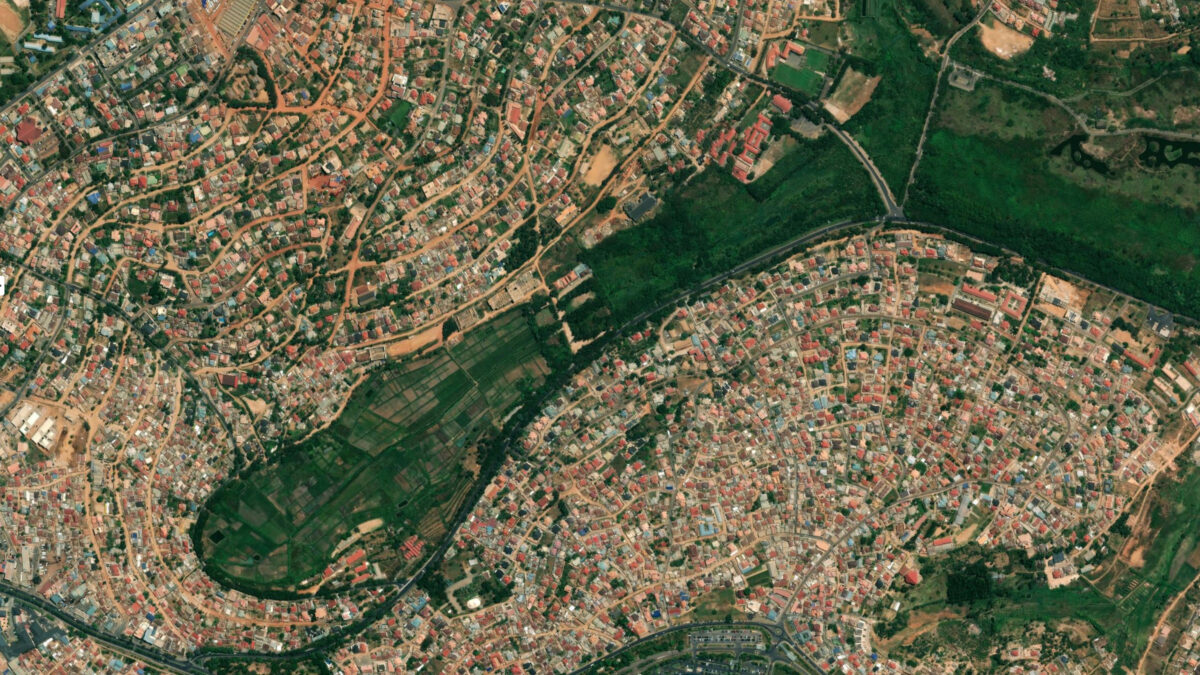
Dasgupta is not blind to scale. He contends that nature delivers mitigation and adaptation at once, but proving and financing that claim is harder than repeating it. Kigali’s revival of its wetlands, culminating in Nyandungu Ecotourism Park, is his exhibit for nature-based solutions that reduce floods, create jobs, and bring back wildlife. Yet even here the constraint is money. He cites WRI’s finding that “every $1 invested in adaptation yields over $10 in benefits over 10 years,” then notes how little capital flows to such work.
Technology, in his telling, is a means rather than a messiah. Radar alerts that pierce tropical cloud cover, open platforms like Global Forest Watch, and WRI’s Land & Carbon Lab are tools to lower information costs and widen participation. He is bullish on using AI to make environmental intelligence conversational, while wary of the usual hype. Evidence that such tools matter already exists, he argues, pointing to cases where Indigenous monitoring in Peru halved deforestation on their lands.
Dasgupta’s optimism is measured. Systems built on fossil fuels and nature’s liquidation will not flip quickly. He is convinced they can bend, provided collaboration is real and benefits are visible.
“We are not stuck, and there is a way forward, but it takes work.”
In the conversation that follows, we probe what that work looks like: how to orchestrate change across forests and cities, how to pay for adaptation, and how to keep equity at the center when the clock is short.
