

In the tangled thickets of Brazil’s Amazon, a place known as much for its impenetrable forest as its opaque networks of corruption, Lúcio Flávio Pinto has spent nearly six decades cutting a solitary trail. For most of that time, he did so with little more than a pen, a dogged sense of duty, and a refusal to be bought, bullied, or silenced. That he is still alive is as much a defiance of probability as it is of power.
Born in Santarém in 1949, Pinto began reporting at 16. Early on, he covered the news; but it was the slow violence in his own backyard—land grabs, illegal logging, poisoned rivers, and the erasure of the rainforest and those who lived in its shade—that became his life’s work. As Pará’s economy surged from iron ore, soy, and hydropower, Pinto documented the hidden costs—those not found on balance sheets.
After a break with regional media giant O Liberal in 1987, Pinto founded Jornal Pessoal, a self-financed, ad-free newsletter modeled on I.F. Stone’s Weekly. For more than 30 years, he printed 12-page editions funded by subscriptions alone, refusing advertising to protect its independence.
The cost of that independence has been steep: 33 lawsuits, a criminal conviction, beatings, and constant threats. In 2005, he was banned from covering a tax evasion case involving O Liberal—and was later physically attacked by its director, who shouted, “If I don’t kill you now, I’ll kill you later.” It was caught on video.
And yet, Pinto stayed. He stayed in Belém even when international accolades—the Committee to Protect Journalists’ International Press Freedom Award among them—required travel he couldn’t risk, lest a judge take his absence as pretext for arrest. He stayed despite death threats, despite watching colleagues flee or fall silent. He stayed because the story wasn’t finished.
Now in his 70s, Pinto has published his memoir, Como me tornei um amazônida (“How I Became an Amazonian”), reflecting on a lifetime of bearing witness: watching the Tucuruí Dam close, chronicling the murder of Chico Mendes, and enduring silence from national newsrooms that never called, even as his stories exposed the raw truths of the Amazon.
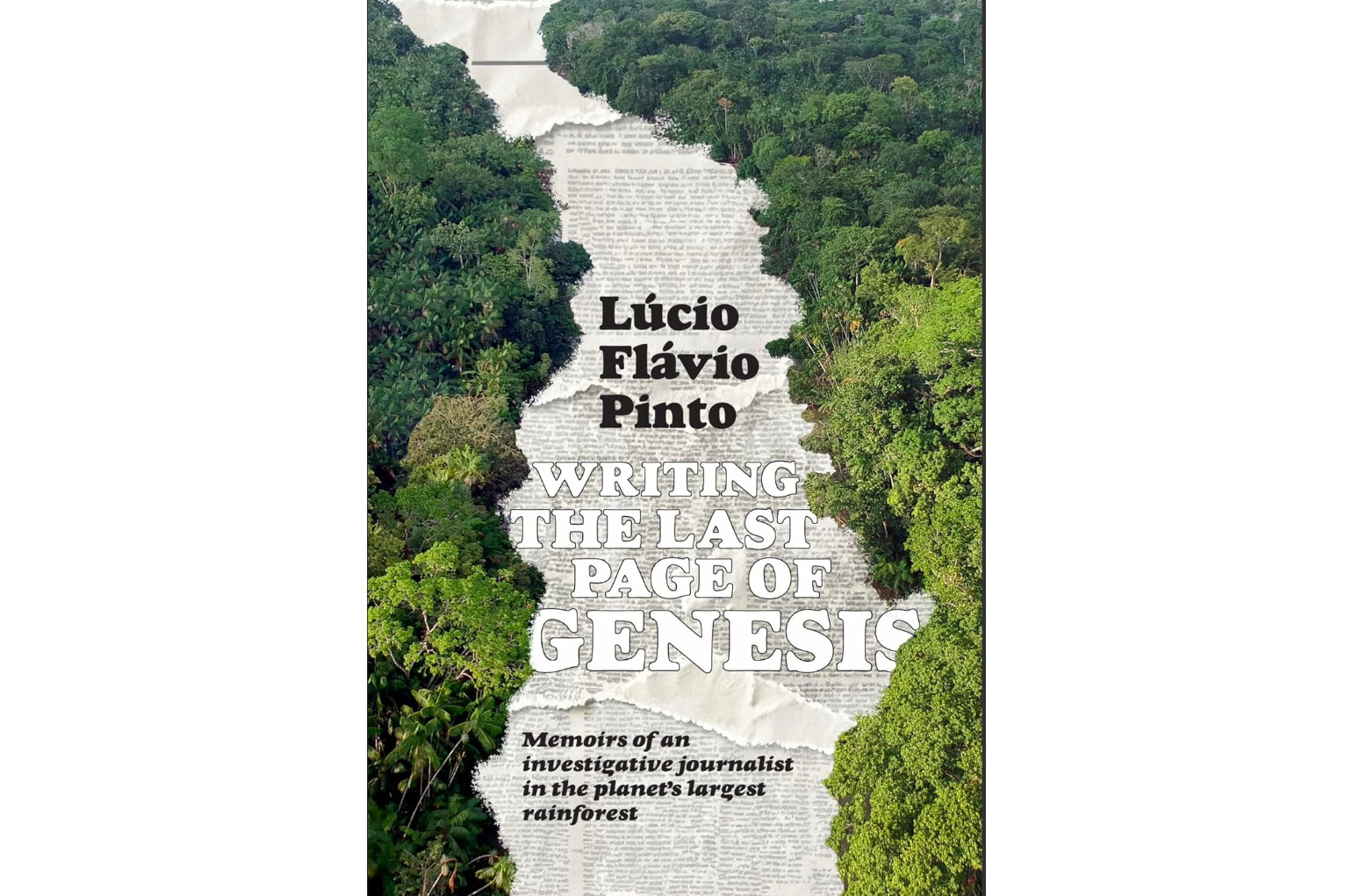
He has always had more enemies than allies. He does not carry a mobile phone, likening them to tools of brutality. His notebooks—dozens of them, handwritten and annotated—remain his primary archive.
Pinto does not speak in slogans. He mistrusts sentimentality. But his work reveals a deep, almost sacred regard for the Amazon and those who live within it. Truth, for him, is not a tool of advocacy. It is its own end—a form of resistance, yes, but also of reverence.
He has no illusions about the odds. “We destroyed 400,000 square kilometers of rainforest in less than 50 years,” he once said. “No civilization in history has done worse.”
And yet, he insists, it’s not too late to write a different ending.
That he hasn’t stopped trying may be his most radical act of all.
