
Every year brings its small revisions to what humans think they know about animals. 2025 was no exception.
Here are some examples compiled by Shreya Dasgupta.
Waterfall climbing catfish
In Brazil, thousands of bumblebee catfish were seen climbing waterfalls. The fish gathered at the base of cascades on the Aquidauana River, then edged their way upward, clinging to wet rock and sometimes to each other. Such behavior is known in a few tropical fish, but never in this family. The climb suggests a coordinated spawning migration, and also how much routine biology remains undocumented.
Wolf goes fishing
In coastal British Columbia, a wolf solved a problem that looked more human than lupine. Faced with submerged traps baited with herring, she swam out, hauled one ashore by its rope, opened it, and ate the contents. The sequence implied foresight. The food was neither visible nor accessible until several steps had been completed. It offered a glimpse of wolf cognition that sits awkwardly with simpler accounts of instinct.
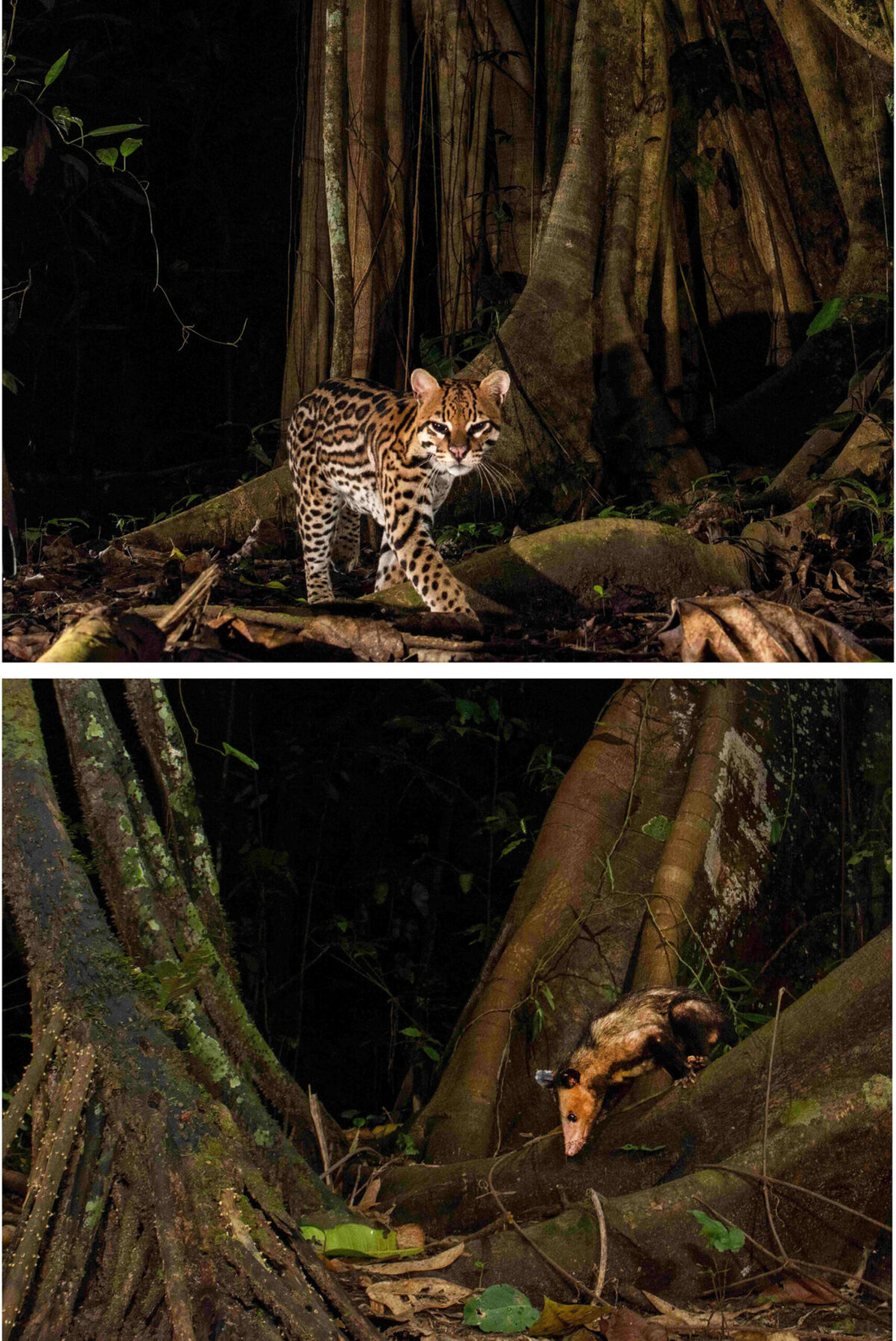
Ocelots partner with opossums
Ocelots were repeatedly filmed walking alongside opossums, animals they sometimes eat. The pair moved together without alarm. Experiments suggested the opossums were drawn to the cat’s scent. One possibility is protection through proximity; another is mutual concealment. Either way, the footage hints at alliances that do not fit tidy food webs.
Capuchin monkeys snatch baby howler monkeys
On a small island in Panama, young capuchin monkeys were recorded stealing howler monkey infants. The kidnappings served no obvious purpose. The monkeys did not eat or raise the babies. Researchers suspect boredom, surplus energy, or social experimentation. Islands, with their constraints and comforts, often incubate novelty.
Parasitic ants seize control by provoking regicide
Parasitic ant queens were observed overthrowing colonies by persuading workers to kill their own queen. The trick relied on smell. By chemically marking the resident queen as an intruder, the parasite turned loyalty into violence. It was the first clear case of ants being induced to destroy the very individual on which their society depends.
