
Montañita is a place many people intend to pass through. They come for surf, sun, music, and a stretch of Ecuador’s coast that has long sold itself as free-spirited. Some stay longer. They open small businesses, learn the workings of the communes, put children into local schools, and begin to notice what visitors often do not see: the sewage that is not properly treated, the land whose ownership becomes uncertain, and the turtles whose nesting beaches are treated as available ground.
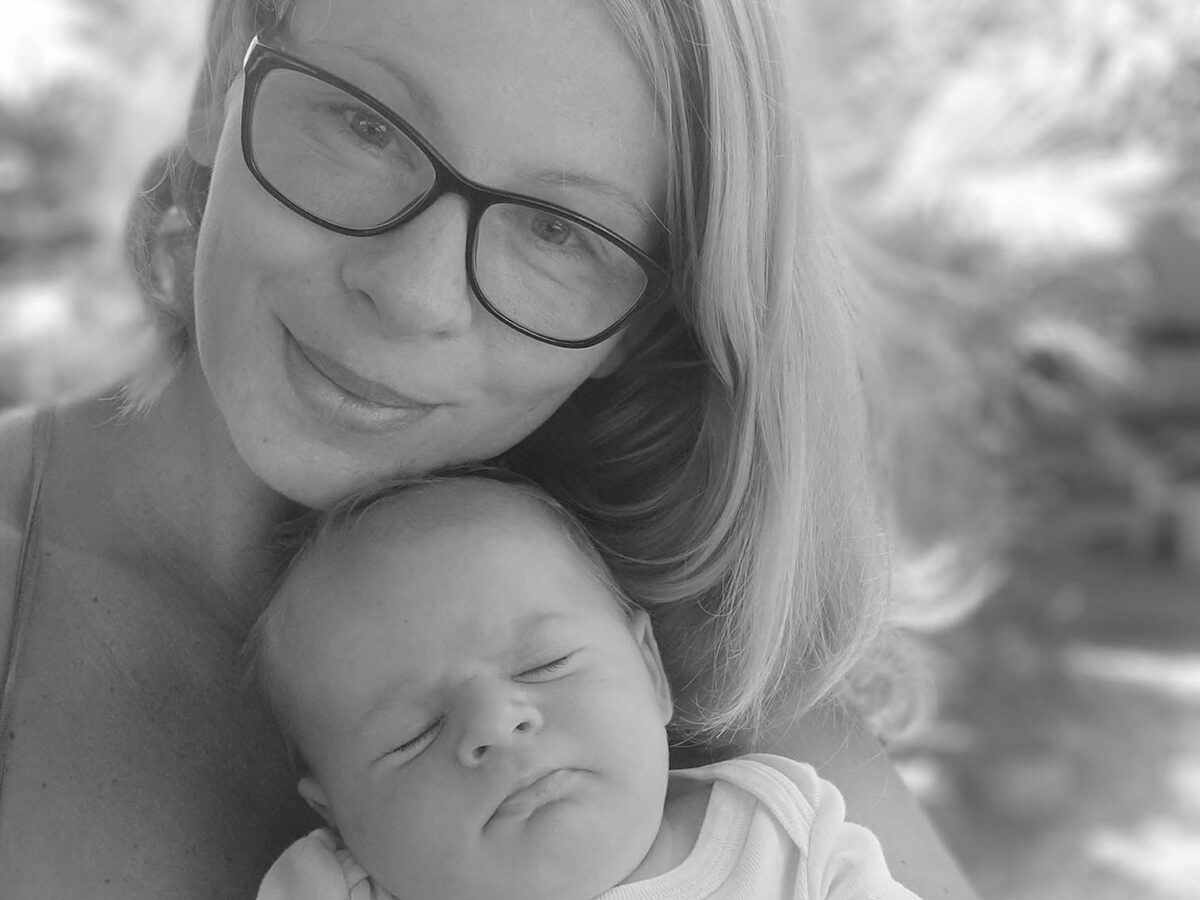
For a woman from northern Poland, the change of country became something durable beyond expatriate life. Ecuador was where she made a home, ran a hostel, raised two daughters, and became part of Santa Elena’s disputes and loyalties. Monika Silva, who was found dead on June 8th at her home in Montañita, was 41. The circumstances of her death remain under investigation. In the weeks before she died, she had spoken publicly of warnings that there was a plan to kill her. She had alerted authorities and sought protection.
Her public work began with local problems. Montañita’s inadequate sewage system troubled her. So did the way decisions about beaches, mangroves, public land, and basic services seemed to benefit the same networks of power. She came to see poverty, malnutrition, poor infrastructure, and environmental damage as linked by corruption and weak accountability. That became the work of Fundación La Integridad, the organization she founded and led.
In Santa Elena she was known as a citizen watchdog, an environmental defender, and a neighbor who kept asking why public decisions were made as they were. She spoke about mangroves, protected species, and the rights of rural communities.
People described her in different ways: anti-corruption activist, environmentalist, citizen watchdog, neighbor. In her own description she was a defender of Mother Earth and vulnerable groups. She was also a mother trying to keep two girls safe in a province where civic work had become dangerous. She could sound fearless, but in interviews she said plainly that she was afraid.
Poland remained part of the story. She came from Reszel and had described a long search for a place to belong. In Ecuador she found one. On her social-media profile she wrote that a person did not have to be born in Ecuador to love it and defend what was right.
The investigation must still establish what happened in Montañita. Her life is easier to see. She crossed an ocean, chose a coast, and made its troubles her own: sewage, public land, mangroves, turtles, and neighbors who could not get an office to answer. For Silva, belonging was not a matter of birth. It was measured in what a person was willing to defend.
