
I find it hard to believe Jane Goodall is gone. She was more than an icon to me. She was a friend, a mentor, and someone whose presence—whether with presidents, students, or my own children—felt like both a gift and a lesson.
Our friendship began in the most Jane way possible: an email that opened, “Yes, this is the real Jane Goodall,” followed by a request that I not share her “secret email address.” She said she admired Mongabay and wanted to meet. That message was the start of thirteen years of laughs, tears, and conversations that often stretched late into the night over vegan Indian food and a glass of whisky in her hotel room—even though I rarely drink or stay out late.
Jane had a way of making every encounter feel personal. When she first met my children, she lit up as if she had been waiting her whole life for them to enter the room. She crouched to their level, told stories, and pulled up YouTube videos of rats performing clever tricks. “Aren’t they marvelous?” she said, with the same awe she once expressed for the chimpanzees of Gombe. She told my son he was an inspiration for starting a trash cleanup at his school. It was a small thing, but Jane noticed. She always noticed.
She believed hope was not simply a feeling but a tool. Hope, she would tell me, creates agency. The larger the crisis, the more powerless people feel. But small, local victories—releasing Wounda the chimp back into the forest, protecting a wetland, or planting trees on a denuded hill in the Congo—prove that change is possible. She fretted over the fate of a single macaque on a remote Indonesian island while its keeper recovered from surgery, because no issue was too small if it meant the well-being of an animal. These moments, she insisted, ripple outward. They show people their actions matter.
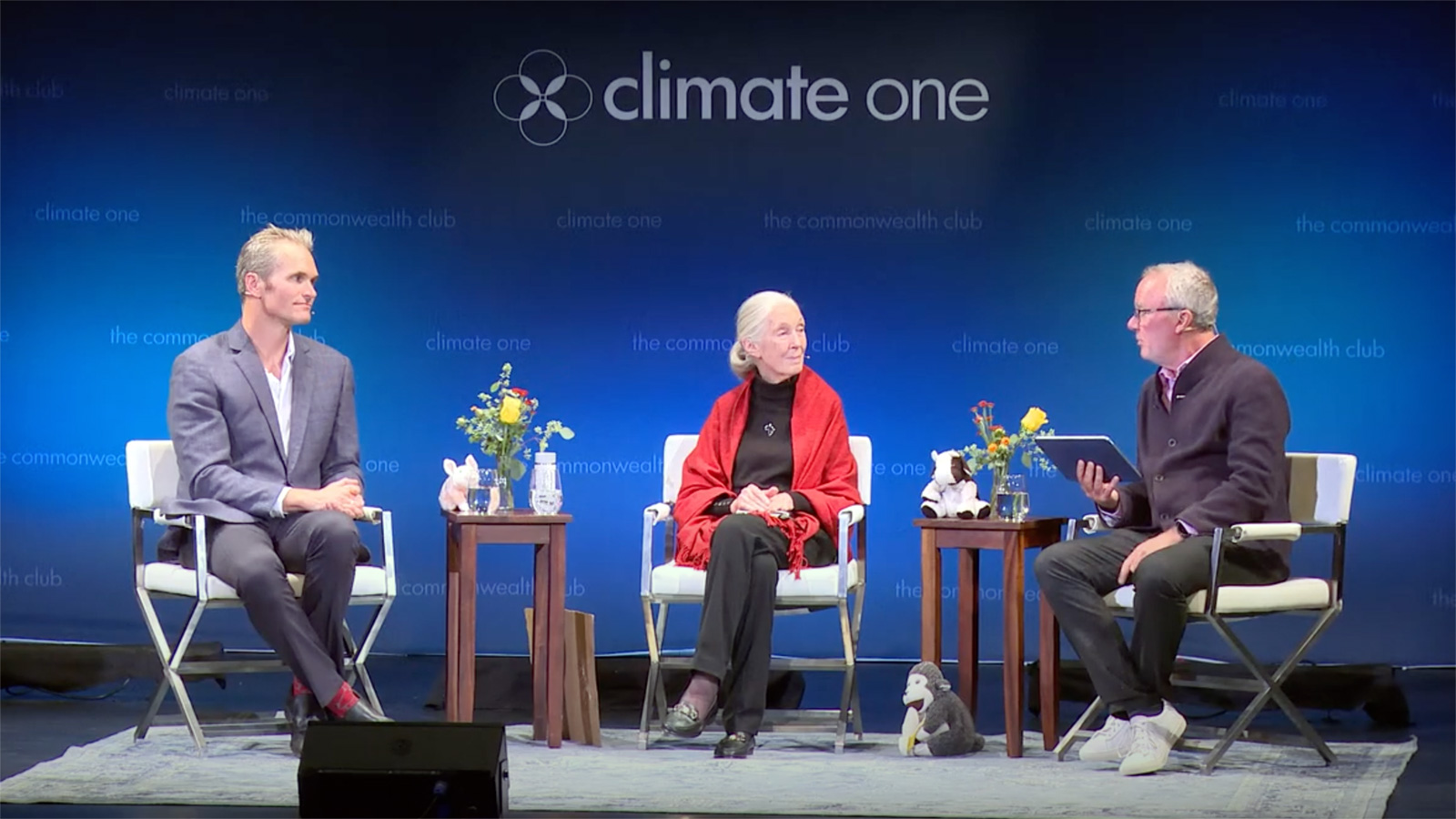
That message resonated in my own family. Earlier this year my six-year-old son wanted to do something special for Jane’s birthday. His first idea was to make goody bags for all 1,700 people at an event where she and I were speaking. When I explained that wasn’t possible, he thought again and cut out a Mutts comic about Jane from the Sunday paper. He asked me to deliver it to her. When I did, she was delighted. We took a photo together holding the comic, and when I showed it to him, he glowed. Jane had that effect: she made people, no matter their age, feel that what they did mattered.

Jane once told me there were two Janes: the private one who just wanted to be “me, Jane,” and the global icon created by National Geographic, Discovery, and the media. She never quite understood that fame, but she chose to use it for good. If people cared about her, she reasoned, then they might care about the causes she carried with her.
In the end, she wanted to be remembered for two things: for starting Roots & Shoots, her global youth program, and for helping people understand that humans are not the only sentient, sapient beings on this planet. She often reminded me that “empathy and objectivity can coexist.” And she described humanity as standing at the mouth of a long, dark tunnel with a faint star shining at the far end. That star, she said, was hope. We could not sit still and wait for it to reach us. We had to work toward it, step by step, obstacle by obstacle.
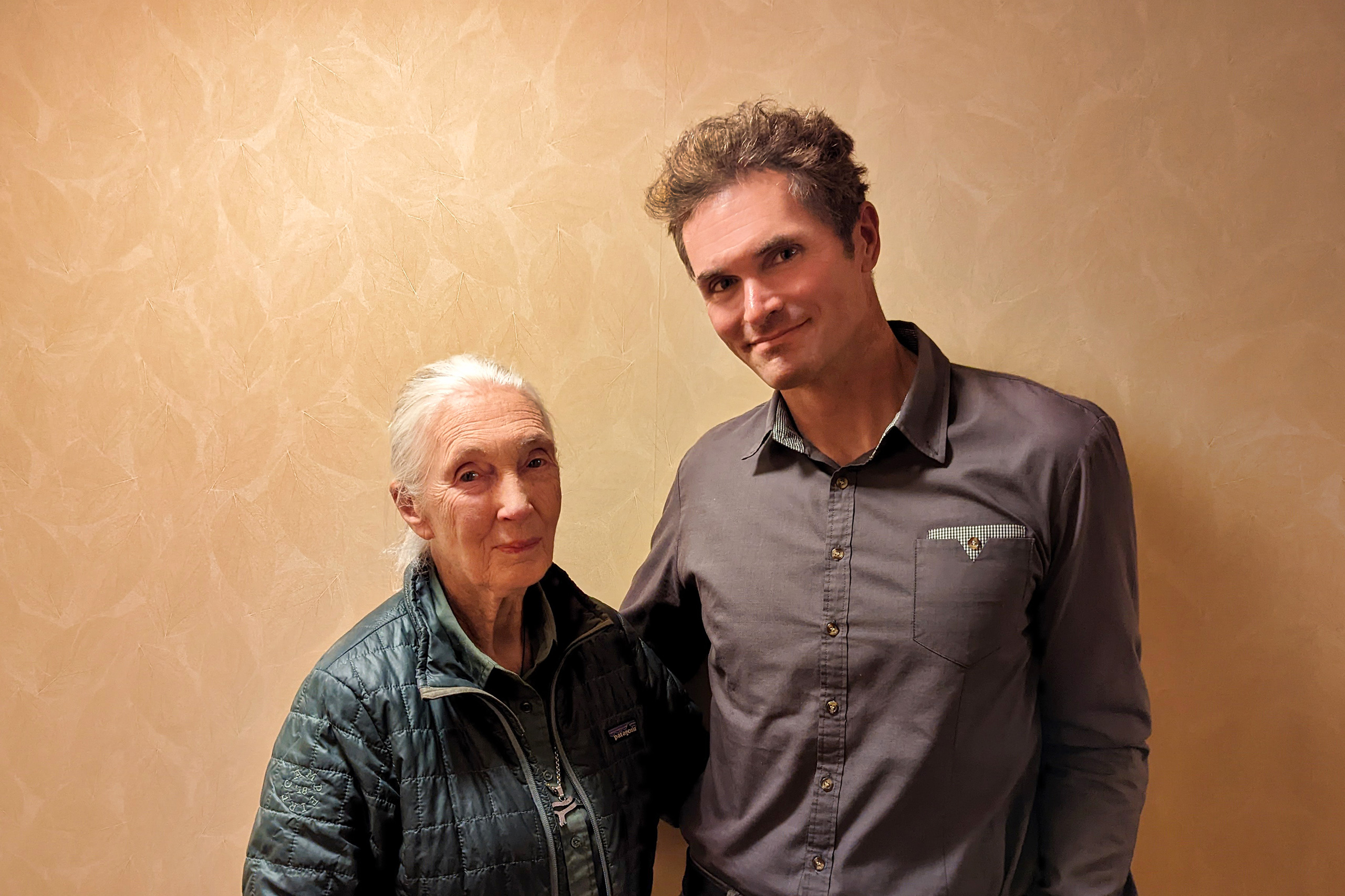
The last time I saw Jane, at Climate Week in New York just days ago, she was as vibrant as ever. We planned to meet again in the spring for her birthday. I thought she might even outlive me. That’s how indomitable she seemed.
Jane taught me, and countless others, that every day we live, we make an impact. The choice is ours as to what kind of impact it will be. Her life proved that one person, rooted in compassion and sustained by hope, can change the world. Now it is up to us to carry that light forward—not as a farewell, but as a promise.
I’ve written some other more formal pieces about Jane in recent days:
