

He spent a lifetime defending an animal few people understood, and even fewer could name.
In 1967, on the spring-fed waters of Florida’s Crystal River, a teenager named James “Buddy” Powell encountered a stranger in a rowboat. The man, a Cornell graduate student, was looking for manatees—a species so obscure then that few had studied it in the wild. Powell, who knew the local springs better than most, offered to help. What began as a chance meeting became the start of a singular career in marine conservation, one that would span continents and redefine how the world saw a slow-moving, herbivorous mammal long mistaken for myth.
Powell, who died on July 19th aged 70, devoted over five decades to understanding and protecting the West Indian manatee and its relatives. His research, from Florida to West Africa to Central America, led to the establishment of protected areas, reforms in coastal policy, and the training of a generation of local scientists.
“We can do the science,” he once said, “but if you don’t use that information to make change… then what’s the point?”
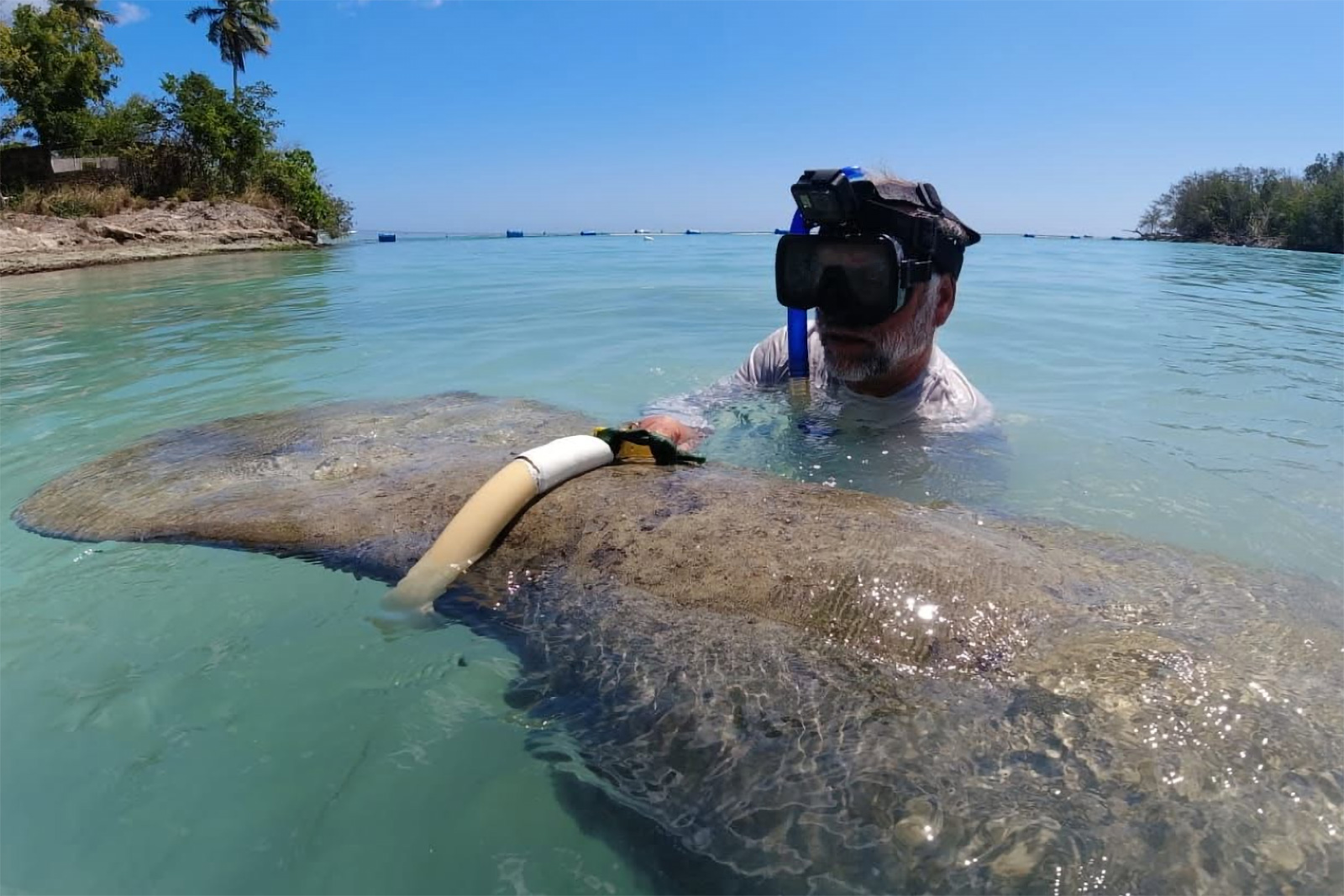
His fieldwork—practical, data-driven, and nearly always collaborative—pushed the boundaries of what was known about manatee behavior, distribution, and threats. In the 1970s, as a U.S. Fish & Wildlife Service biologist, he helped lay the groundwork for federal protections. In the 1980s, he became the first to study African manatees in the wild, producing a 21-country review that remains a foundational text. Later, in Belize, he created the country’s first manatee conservation project, mentoring scientists like Jamal Galves, now a leading voice for marine mammal protection in the region.
He held degrees from the University of Florida, the University of Washington, and the University of Cambridge, but he disdained bureaucracy. In 2008, he co-founded Sea to Shore Alliance, a nonprofit built for the field, not the boardroom. The group later merged with Clearwater Marine Aquarium, where Powell led the research institute and opened a critical care center for injured manatees.
He was not limited to manatees. His work extended to sea turtles, North Atlantic right whales, and Rice’s whales, always with a focus on evidence, action, and impact. He published widely, earned a Pew Marine Conservation Fellowship, appeared in National Geographic documentaries, and advised governments and NGOs alike. Yet he remained understated. He was gentle, curious, and methodical—traits, colleagues said, not unlike the species he devoted his life to saving.
