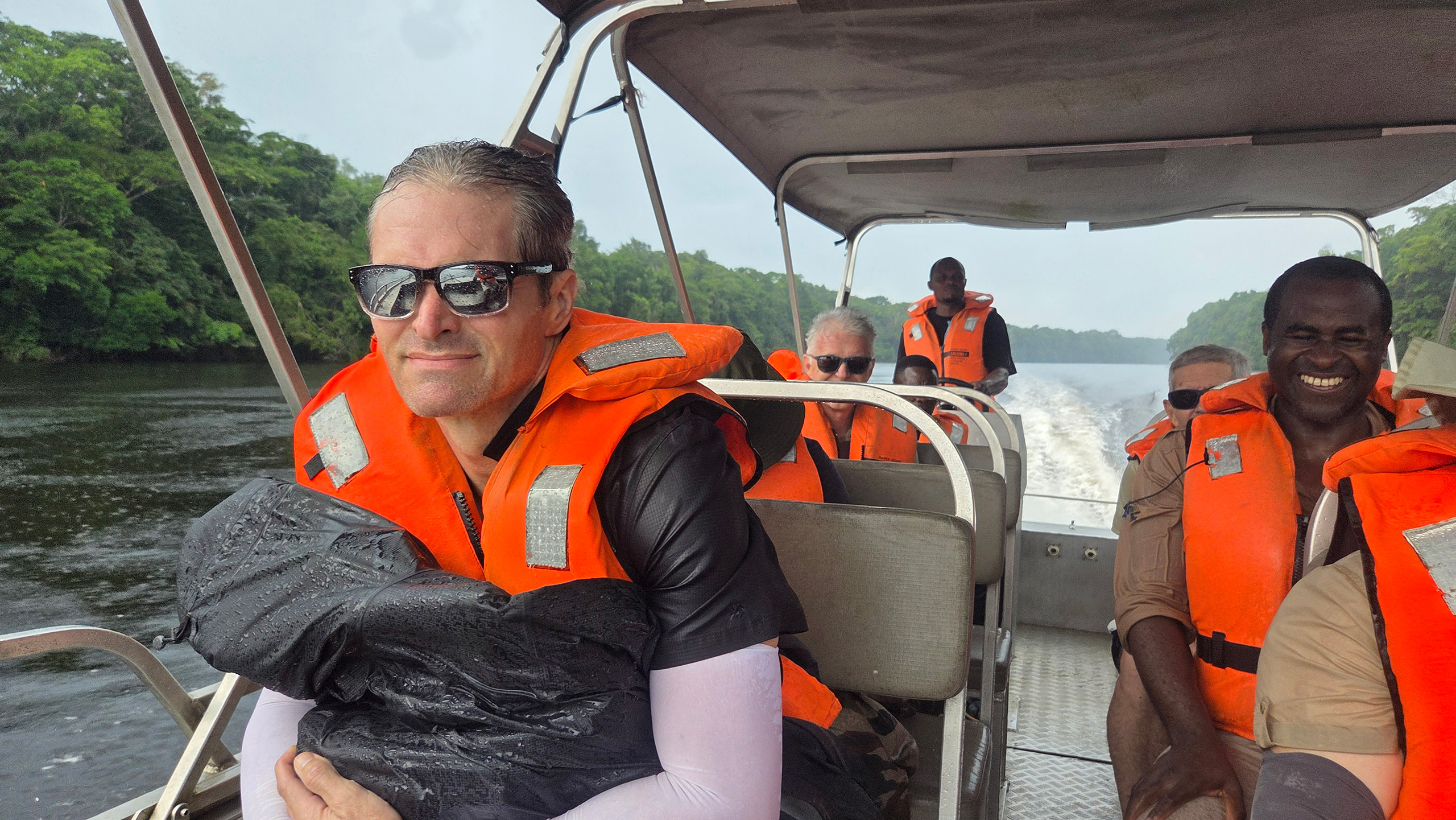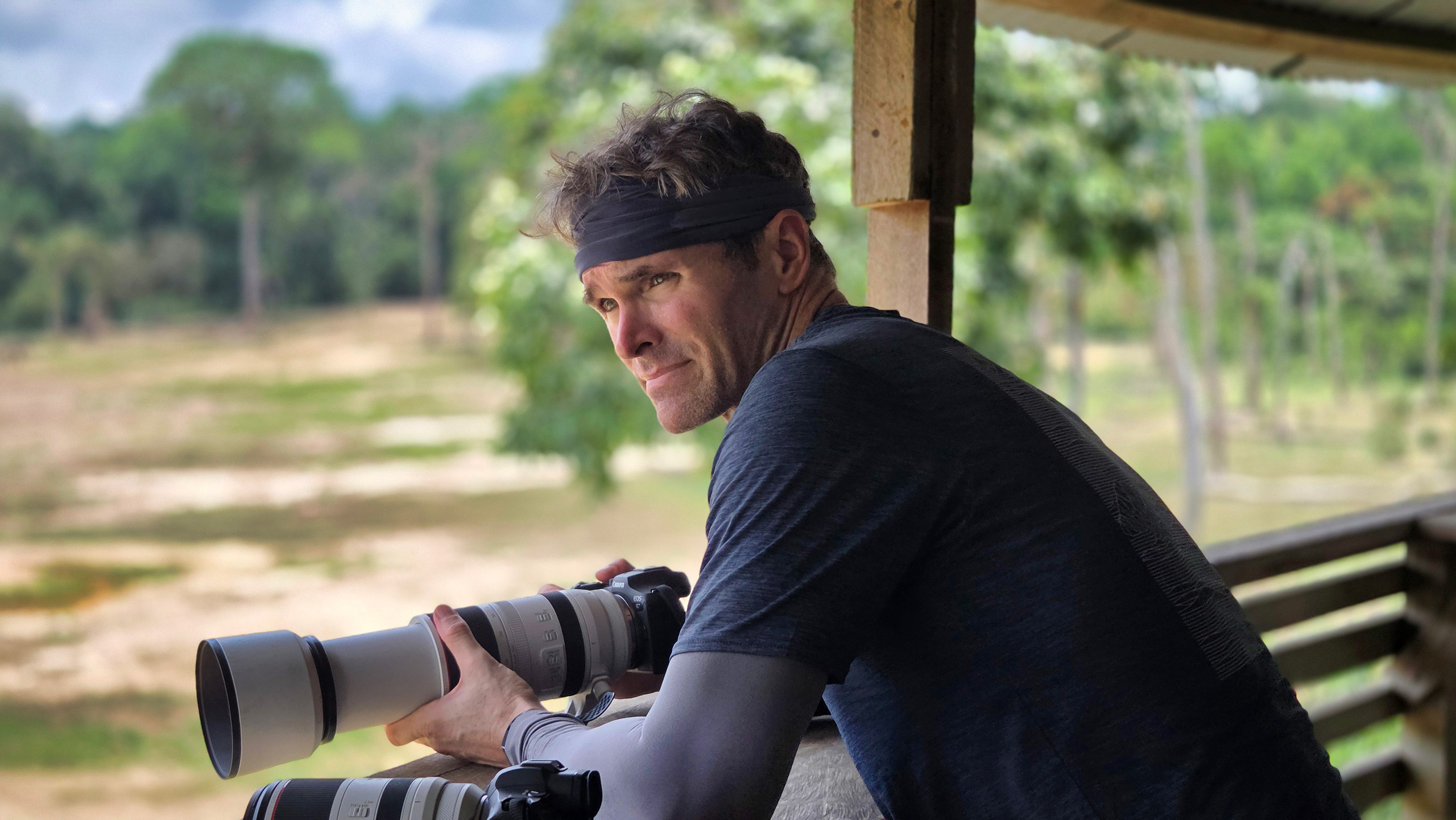

In the Central African Republic, a country often seen mainly through instability, a different story is unfolding in its southwest.
Last month, David Akana and I spent time in and around Dzanga-Sangha National Park, speaking with researchers, conservationists, community members, and park officials. What we heard was not quite reflected in the usual narrative.
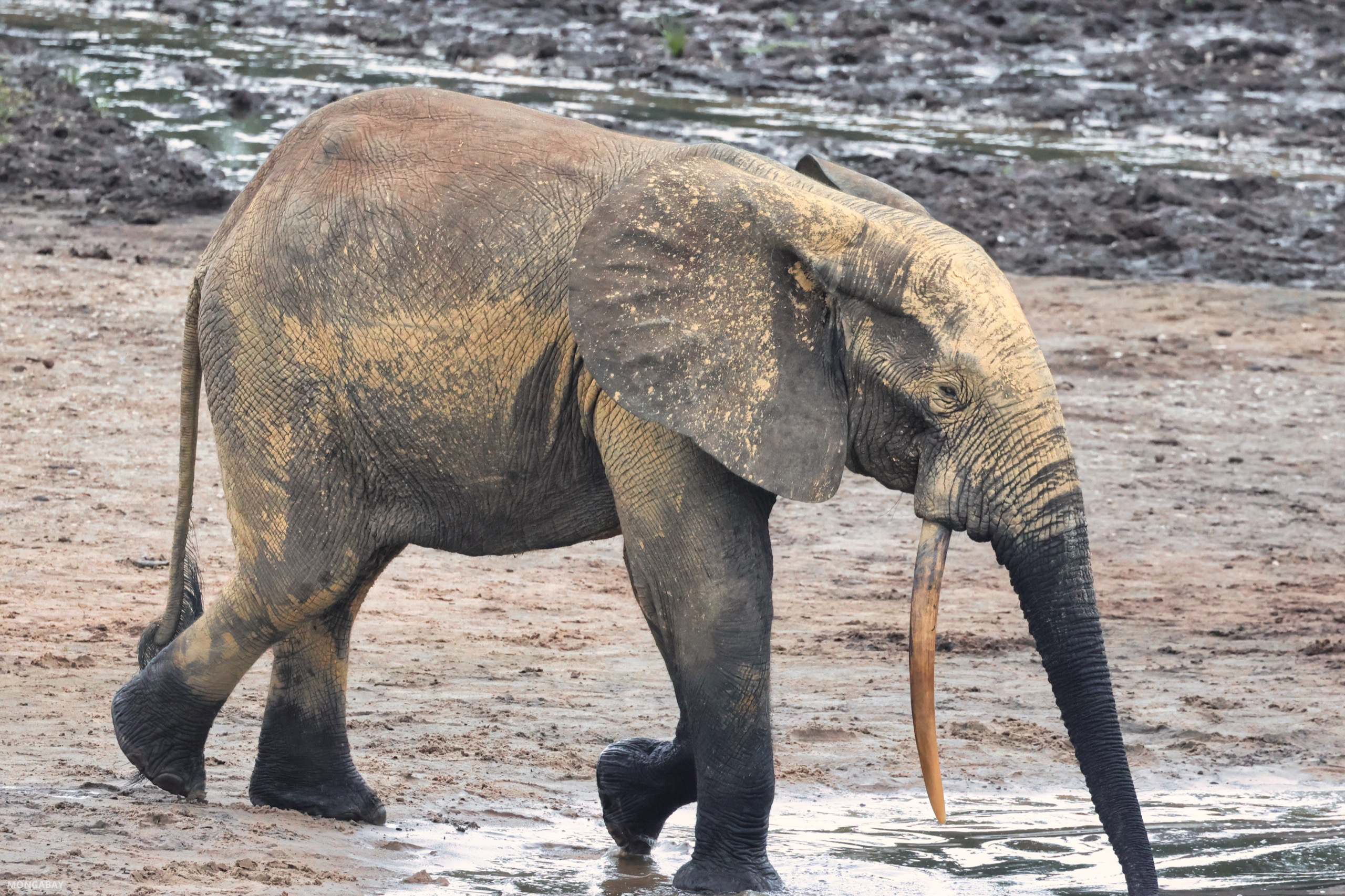

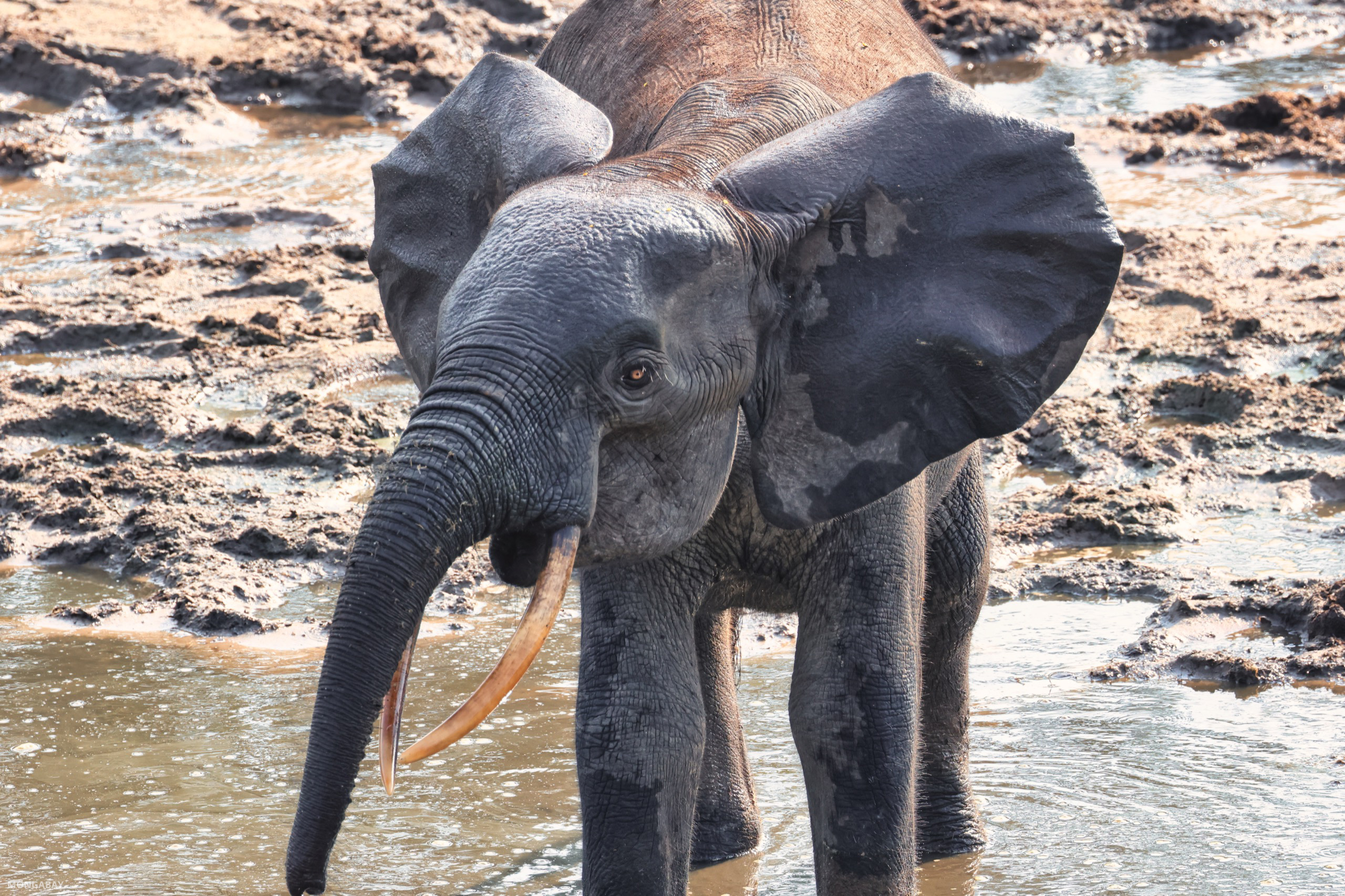
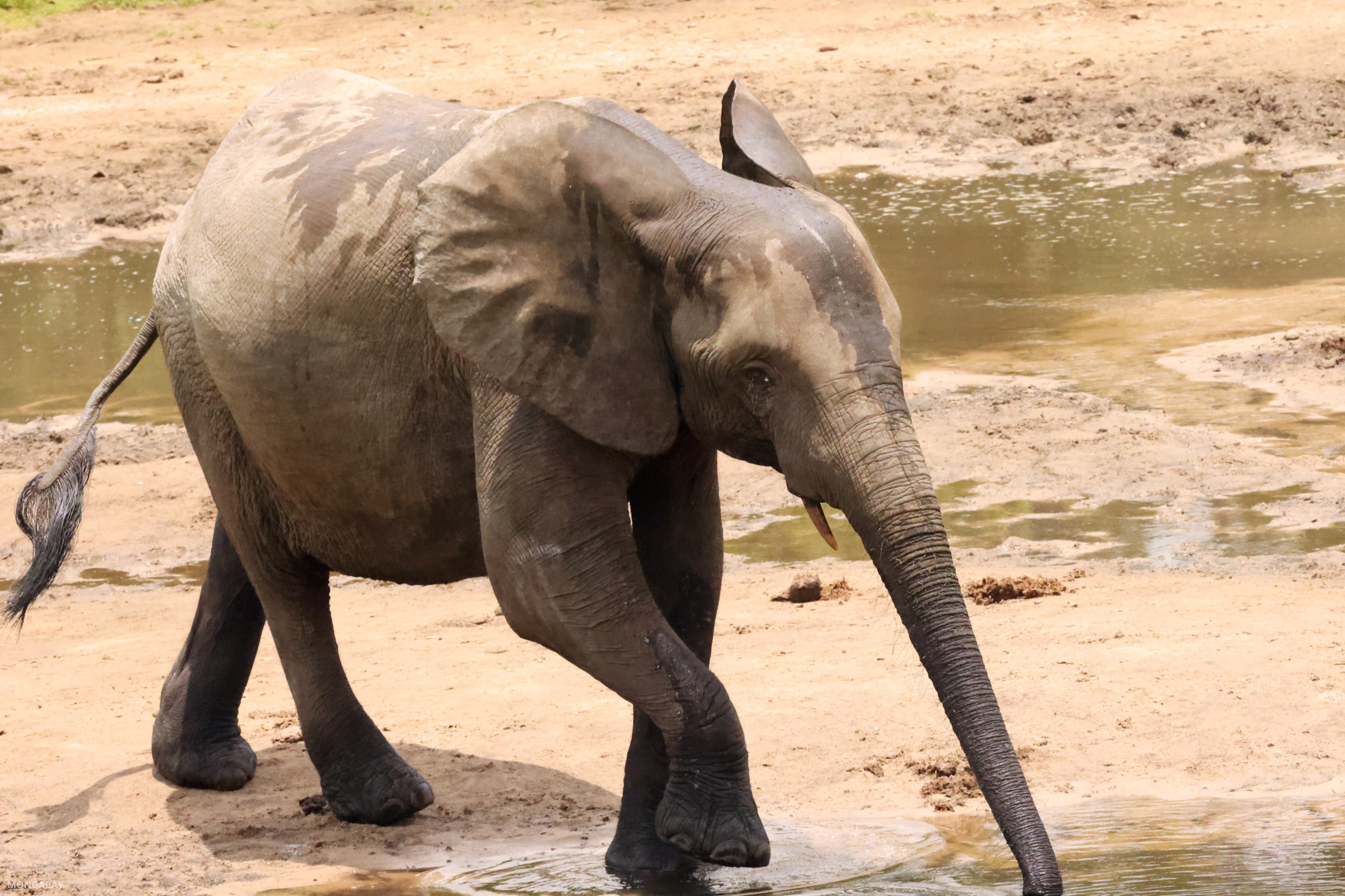
Bayanga, the town at the park’s edge, has seen a modest rise in visitors. Dzanga Bai, where forest elephants gather in high densities, and a population of habituated lowland gorillas remain the main draws. According to local officials, around 800 tourists visited in 2025, a small figure by global standards but meaningful locally.
“There is growth,” said Gervais Pamongui, a deputy director of the protected areas. He attributed this to both the site itself and a degree of stability that has held in the region. Others made similar points, though often with caveats. A guide, Léonce Madomi, described the country’s reputation for insecurity as “both true and false,” noting that Bayanga has largely avoided the disruptions seen elsewhere.

Lodges report steadier business. Guides and trackers have more consistent work. Some residents point to income that supports school fees or medical care. Yet the gains are uneven and limited in scale. Tourism employs a narrow slice of the population, and basic constraints remain, from poor roads to food shortages.
The model is still developing. Revenue-sharing arrangements are in place between communities, the park, and government agencies, with the park and its management partners supporting local services, including health facilities and a mobile clinic, a solar farm to supply the town with power, a human rights center, a community radio station, and other services in the surrounding area. There are plans to upgrade Dzanga Bai’s viewing platform. Even so, it is not clear that wildlife tourism alone can support a broader local economy.


For now, Dzanga-Sangha stands as a partial answer to the challenges facing conservation in places with limited economic opportunity. It has created visible benefits, but its future will depend on whether those gains extend beyond the park and into the wider local economy.
Akana’s piece: The little-known story of emerging ecotourism in the Central African Republic