
In Madagascar, frogs are not background noise but a measure of how much forest still functions. The island holds an extraordinary share of the world’s amphibian diversity, almost all of it found nowhere else. When habitat thins or disease arrives, species cannot retreat to safer ground. Conservation therefore depends not only on science but on persistence: breeding rooms, careful feeding, and people willing to devote years to creatures that few will ever see.
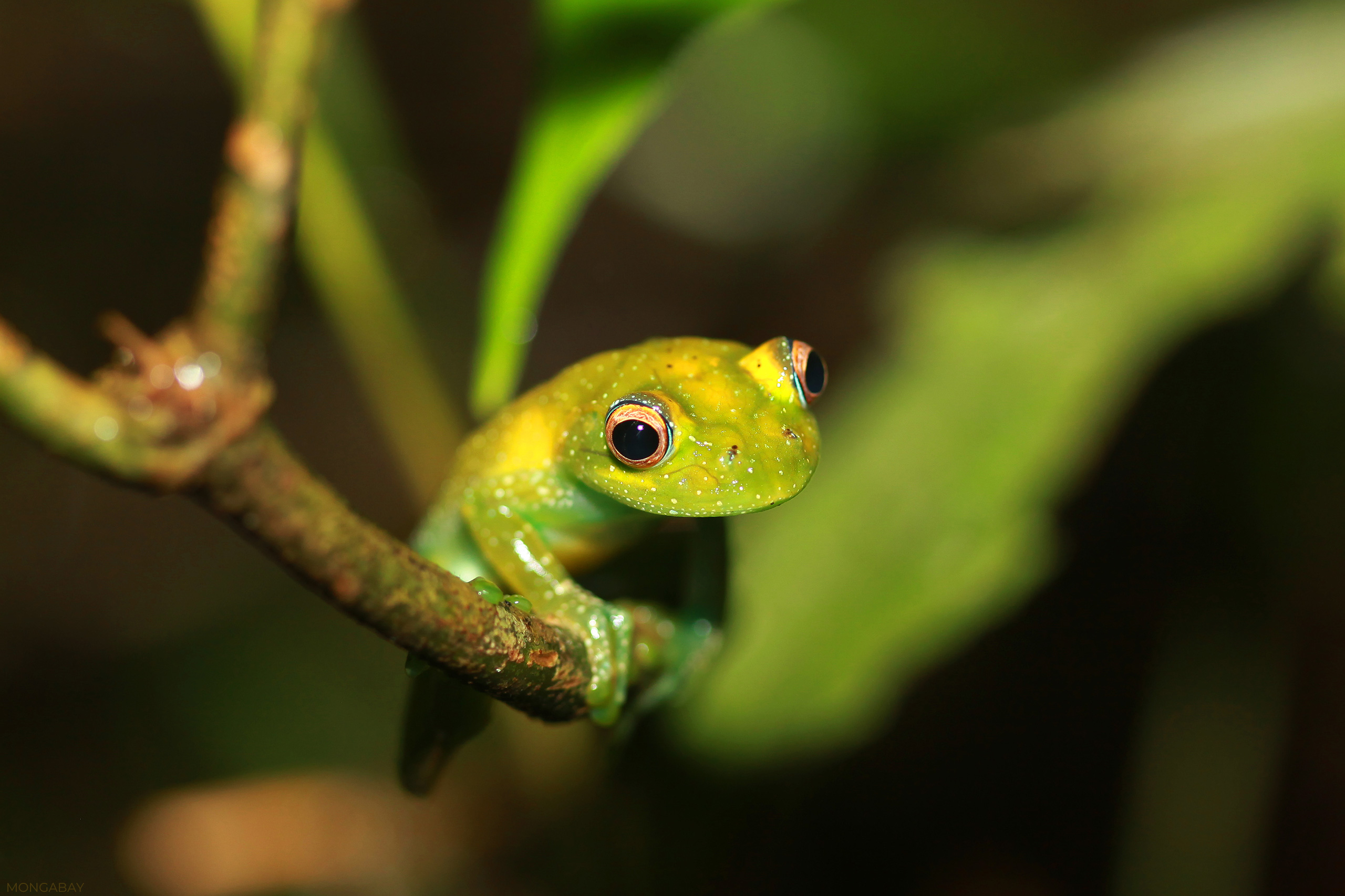
Justin Claude Rakotoarisoa was one of them. He was born in a village near Andasibe, an area inhabited by the indri lemur, whose haunting, whale-like song carries through the forest. He trained as a guide and joined Mitsinjo, a community group that turned ecotourism income into conservation work. As visiting scientists arrived, he learned alongside them, then helped make their knowledge usable locally, including translating a major amphibian field guide into Malagasy.
In 2011 Mitsinjo established a frog breeding center, Toby Sahona, as insurance against extinction. Rakotoarisoa oversaw much of the effort. It required patience: culturing insects for food, monitoring humidity, separating animals to reduce stress. The center became known not only for keeping threatened species alive but for generating new scientific knowledge about their breeding and development.
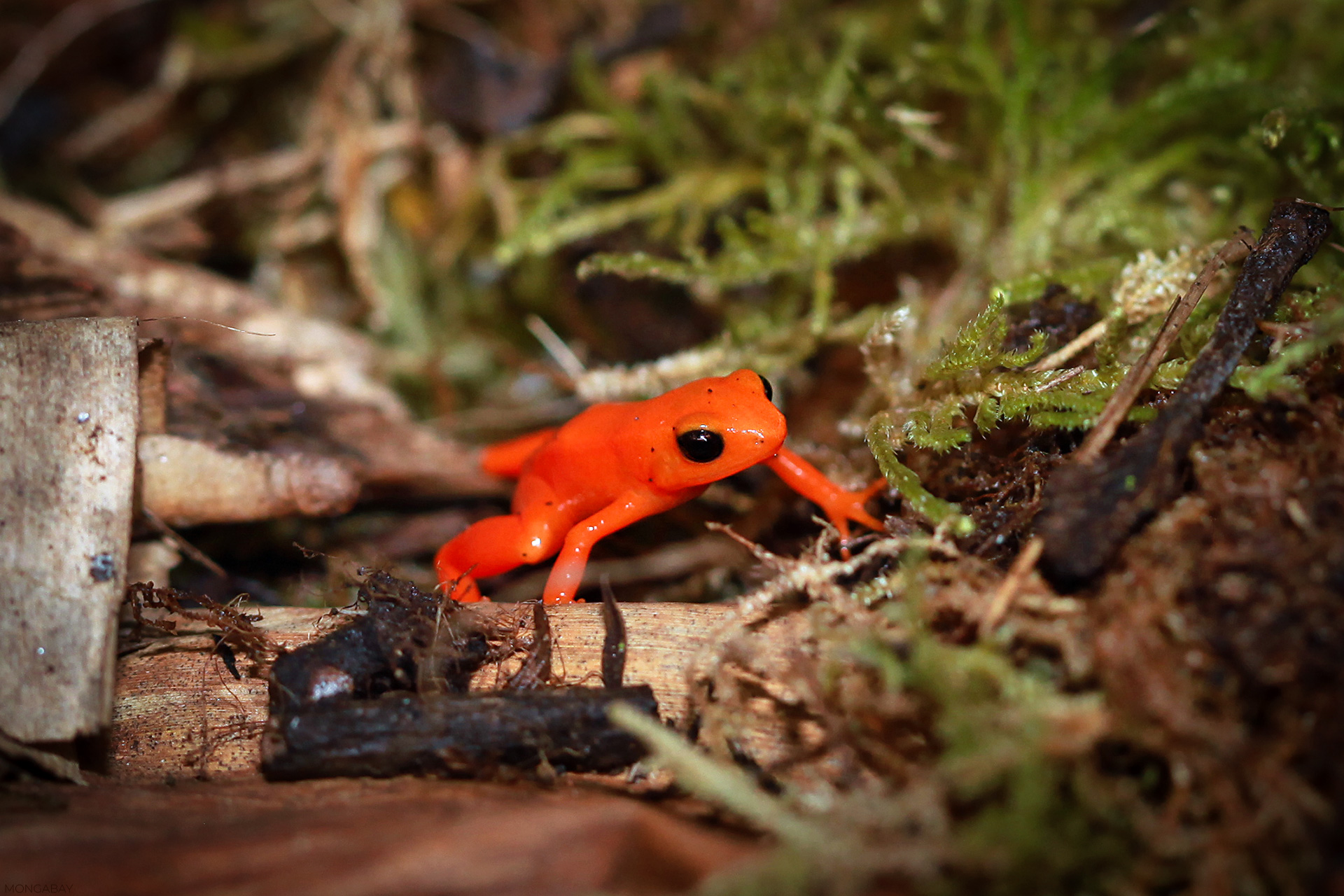
Colleagues remembered him as capable and unshowy, generous with his knowledge. Rivonala Razafison, a Mongabay reporter in Madagascar, recalled that Rakotoarisoa was the first to explain why the golden mantella mattered, and why even amphibians in rice fields deserved attention. On night walks around Andasibe, scanning for Boophis frogs and Uroplatus geckos, he moved with the assurance of a man who knew the forest intimately.
He died at 45, reportedly from complications linked to high blood pressure. In a country where environmental work is often framed as something imported, his life suggested a different model: conservation rooted in place and sustained by local knowledge.
Madagascar’s amphibians will remain vulnerable. Endemism brings vulnerability: species found nowhere else have nowhere else to go. The forests that generate so much life can also concentrate risk. Yet Rakotoarisoa’s career suggests a useful counterpoint to despair. Conservation does not always start with resources. Sometimes it starts with attention, then with competence, then with the stubborn decision to keep showing up, even when the work is small, repetitive, and easy for the world to overlook.
A frog’s survival can turn on whether someone remembered to culture flies. In Andasibe, for years, someone did.
Note: I first met Justin Claude in 2009 when he was my guide on a night walk in Andasibe. He was a kind, thoughtful, and diligent person. And his knowledge of herps was incredible.
Update: I published an expanded version of this obituary on Mongabay several hours after this post.
