
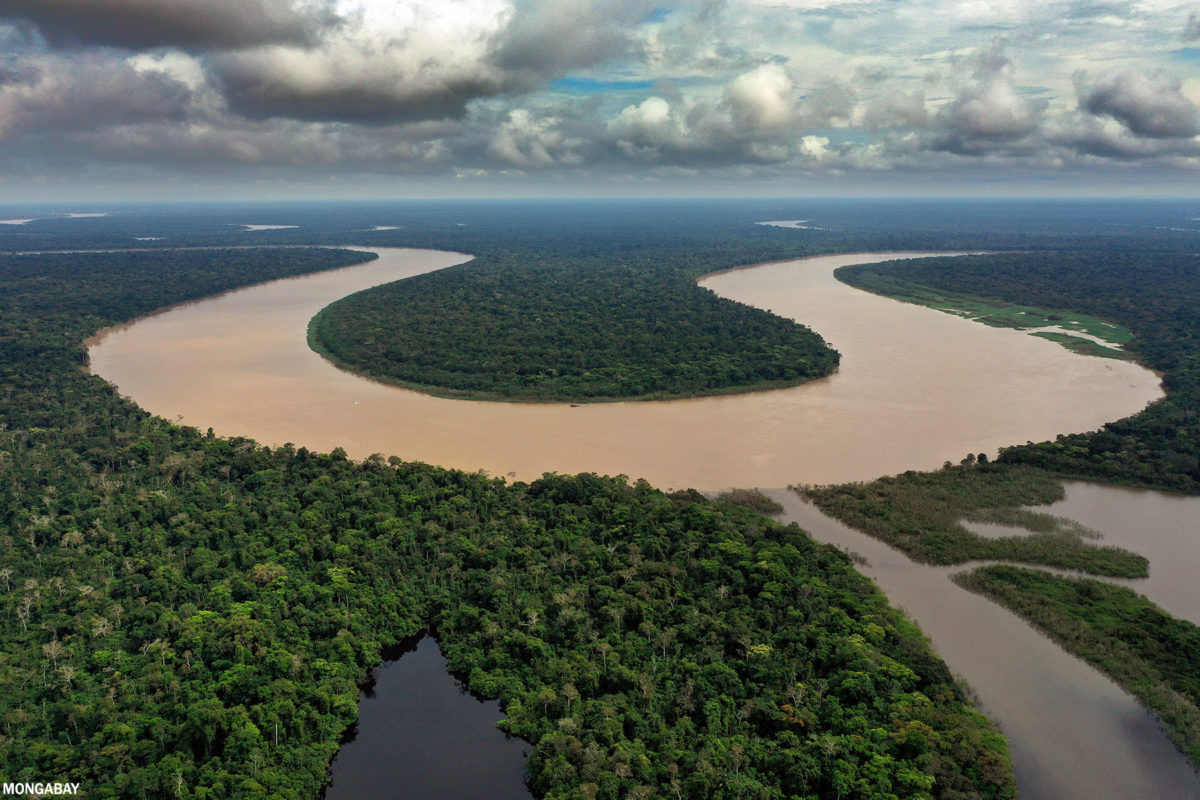
As the world’s attention turns toward COP30 in Belém next month, the story of Brazil’s Amazon is shifting—though not quite in a straightforward way.
According to the government’s satellite monitoring system, INPE’s PRODES, deforestation in the “Legal Amazon” totaled 5,796 square kilometers in the 12 months ending July 31, 2025—an 11% drop from the previous year and the lowest since 2014. The independent NGO Imazon reported a similar decline.


Deforestation also fell in the neighboring Cerrado, down 11.5% to 7,235 sq km, a six-year low.
On the surface, the trend suggests progress. The steep fall under Luiz Inácio Lula da Silva—both in his first presidency from 2003 to 2011 and again since January 2023—marks a clear reversal of his predecessor’s tenure, when forest protections were rolled back and clearing surged.
But while land clearing has slowed, another threat looms. Fires now play a larger role in forest loss. Degradation from logging, roads, and fragmentation, combined with hotter, drier conditions, is turning wide stretches of the Amazon into tinder. Areas that once lay deep within the forest’s humid interior are drying out, leaving them exposed when agricultural burns escape control.
In 2024, Brazil endured a record drought that dried rivers and pushed temperatures to extremes. The country lost 2.78 million hectares of primary forest—the most since 2019—with roughly 60% of that loss caused by fire, six times higher than in 2023. Such damage is not captured by official deforestation figures, which track clear-cutting rather than burning.


This year brings better news. Burned areas detected by INPE’s DETER system fell 45%, from 39,310 sq km in the 12 months to September 2024 to 21,543 sq km through September 2025. Forest degradation has also declined sharply.
Governance under Lula is showing results—stronger oversight, enforcement, and funding—but the Amazon remains vulnerable. Climate stress and the legacy of past clearing are pushing the ecosystem toward a new, more fragile equilibrium where fire and degradation weigh as heavily as outright deforestation.
At COP30, Brazil will showcase this progress while promoting the proposed $125 billion Tropical Forest Forever Facility, a fund that could generate $4 billion annually for forest nations. Yet optimism is tempered by new roads, rising gold prices, weak frontier governance, and wavering policies like the suspended soy moratorium.
For now, deforestation is slowing and fires have eased. But the balance remains precarious—and the world will be watching whether Brazil can keep the curve bending downward.
