
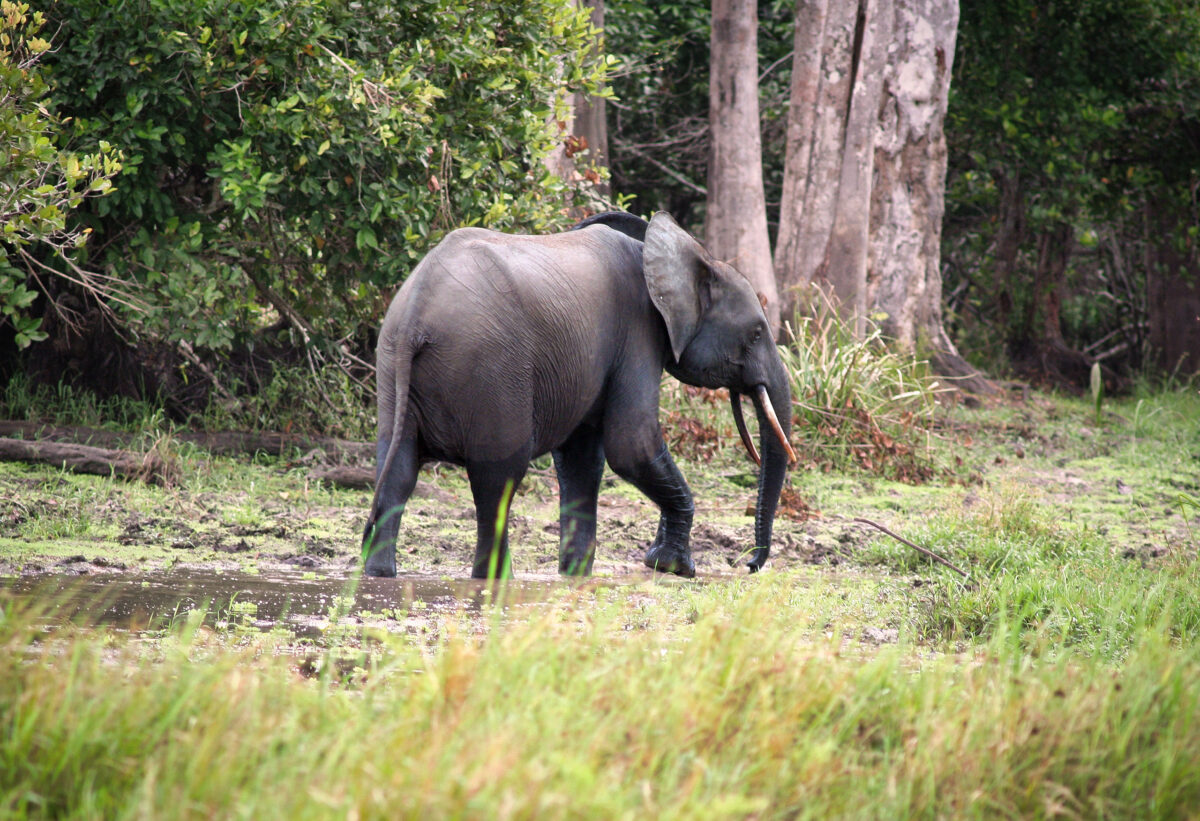
In 2017, when Vincent Deblauwe joined the Congo Basin Institute in Cameroon to study African ebony, he soon realized the fate of the tree lay with another species. Around campfires and during treks, the Indigenous Baka people told him that the forest elephant was key to ebony’s survival.
His fieldwork confirmed their knowledge. In patches of forest where elephants had been wiped out, ebony saplings were scarce. Poaching, driven by the ivory trade in China and Southeast Asia as well as in the West, has devastated elephant populations, with numbers down by 86% in three decades. The long-term implications for forests remained obscure until now.
Deblauwe and colleagues combined Indigenous insights with spatial, genetic, and experimental data, publishing their findings in Science Advances. Elephants consume ebony fruits and, by excreting the seeds in dung, shield them from rodents and herbivores. Without elephants, the fruits rot beneath the mother tree. In forests lacking the animals, ebony saplings fell by 68%.
“Our findings show that forest elephants preferentially consume ebony fruits and play a crucial role in seed dispersal,” said Thomas Smith, co-author and founder of the institute.
Stephen Blake, an ecologist at Saint Louis University, called the work a rare demonstration of how tree populations collapse with the loss of their dispersers.
The implications extend well beyond ebony. Up to 90% of rainforest tree species rely on animals to spread their seeds. Elephants favor slow-growing, dense-wooded species that store more carbon, making them inadvertent architects of the forest.
“Their ecosystem processes are vanishing with them,” Blake told Spoorthy Raman.
This breakdown is part of a larger, global unraveling. From monkeys that gulp down figs to birds that carry berries far afield, animals have long been the unheralded couriers of forest regeneration. But their decline—documented in a sweeping Nature Reviews Biodiversity study—means forests are losing the very mechanisms that allow them to persist. Seed dispersers are vanishing under the combined pressures of deforestation, hunting, climate change, and invasive species. The losses are subtle, registering not as abrupt collapse but as the quiet failure of seedlings to take hold, the slow thinning of diversity, the unnoticed absence of trees that never grew.
Some trees, like the Brazil nut, depend on a single species to carry their seeds. Others need dispersers to move their offspring across distances that will help them adapt to shifting climates. Without their animal allies, forests fragment and carbon storage declines. Researchers estimate the decline of dispersers has already halved the number of seeds able to travel far enough to help forests track a warming planet.
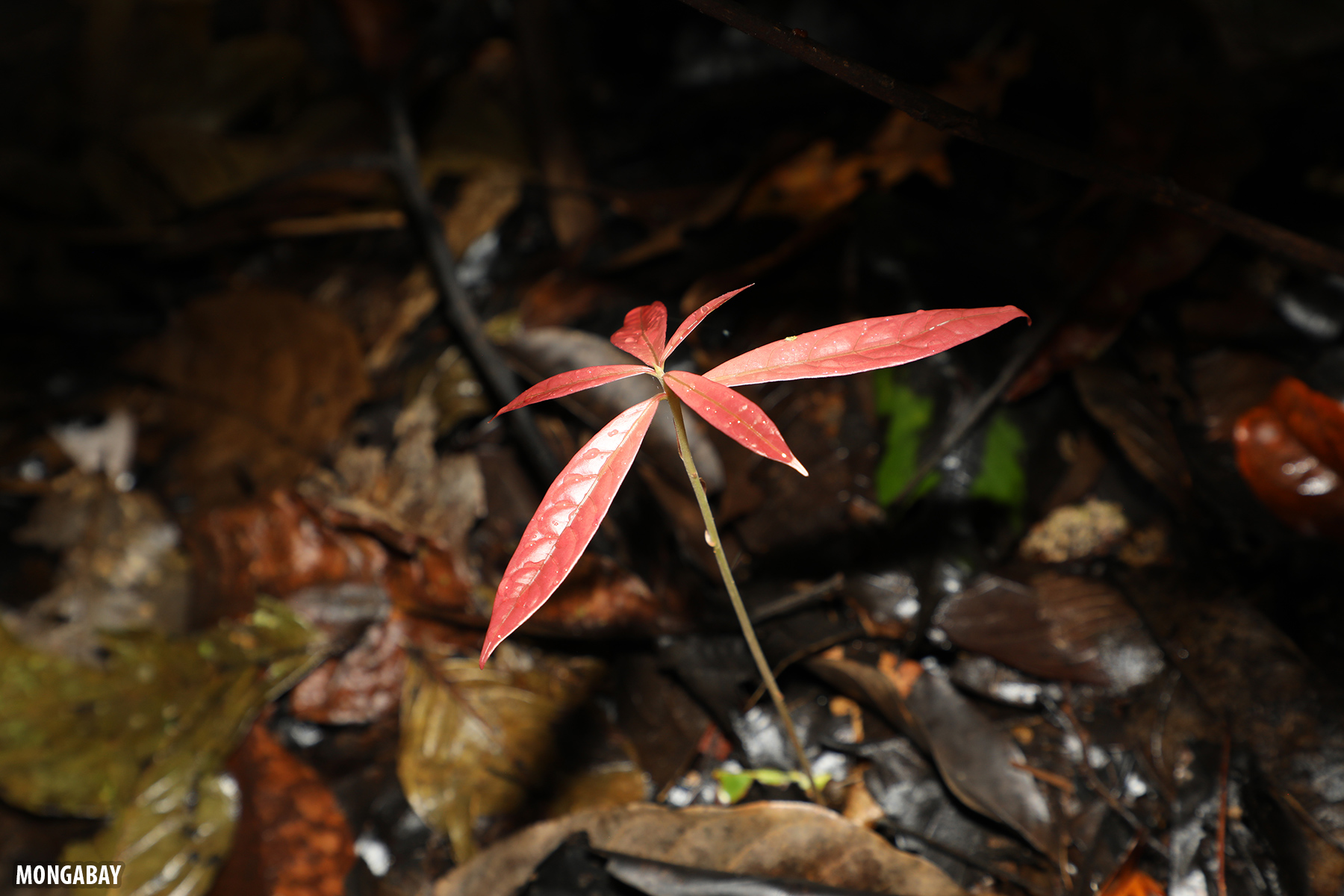
Today elephants occupy just a third of ebony’s historical range. Their decline reduces not only the genetic diversity of ebony but the resilience of forests themselves. As Smith put it, “We are really on the precipice of extinction of forest elephants and the extinction of those ecological processes that regenerate forests.”
Mauro Galetti, who has studied dispersal systems across the tropics, has called animals like elephants “unknown heroes.” Yet their heroism is slipping from public consciousness, even as it underpins the future of entire ecosystems. If these dispersers vanish, the tragedy will not be immediately obvious. Forests will not fall silent all at once, but sapling by sapling, seed by seed.
Vincent Deblauwe notes that the true extent of the damage may only become clear a century from now, when the absence of both elephants and the trees they once carried across the landscape will be undeniable. By then, the orphans of the forest—the seeds left without couriers—will have already told the story of a vanished relationship.
- As forest elephants plummet, ebony trees decline in Central Africa’s rainforests by Spoorthy Raman
- Seed-dispersing animals are in decline, impacting forests and the climate by Kristine Sabillo
