

When the Peoria Manual Training School basketball team clinched the Illinois state championship in 1933, a crowd surged onto the court. In the melee stood an 18-year-old farm boy with long arms and a quiet grin. Walter Butler liked football better, but he could not resist the thrill of winning. It was a rare moment of noise in a life built on steadiness.
He had been born in Galesburg, Illinois, in February 1915, the fourth of seven children. His mother died of influenza the day after giving birth to her last child; two of his siblings also died in infancy. His father, overwhelmed, sent the surviving children to be raised elsewhere. Walter spent eight years at the Chaddock Boys Home in Quincy, where he stoked kitchen fires, milked cows and began collecting stamps. He would later say the orphanage made him who he was.
At 14 he left Chaddock, moved between relatives, and eventually enrolled at Peoria Manual. School was a chance to work: he ran paper routes, sold vegetables, and sorted cheques at a bank until Roosevelt’s bank holiday cost him his job. He graduated into the Depression, tried the Caterpillar Tractor Company, and when work was scarce took yard jobs for room and board. In 1935 he joined the Army Air Corps as a radio instructor. A few months later he was flying one of the first B-17 bombers to California, where Hollywood borrowed it for “Test Pilot”. He played poker with Spencer Tracy and Clark Gable, using matches for chips.
Gable was then preparing for his role as a daredevil flyer. He wanted to room with a real test pilot, but none were available near the studio. Mr Butler, the only survivor of an Air Corps plane crash, was the closest thing the base could offer. For a short time the future star of Gone With the Wind and the young sergeant shared quarters while Gable absorbed his stories of flying and survival. The coincidence would ripple on: decades later Mr Butler’s grandson would be named Rhett (me), a nod to the actor who had once slept in his grandfather’s spare bunk and the fictional character he made famous.
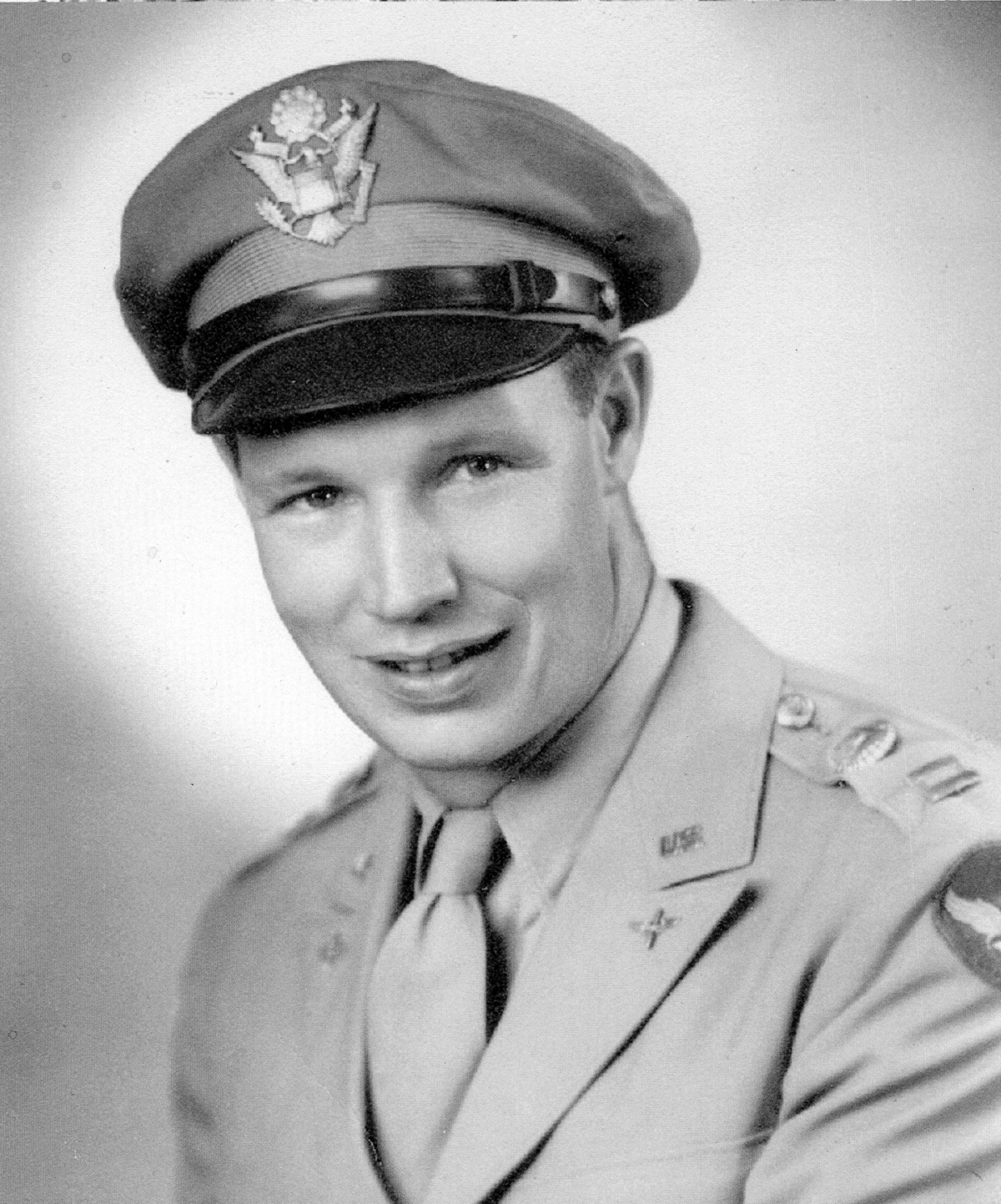
More duties followed: Running the control tower at Chanute Field at night, meeting Charles Lindbergh, then squeezing 21 semester hours into days at the University of Illinois. He nearly failed but emerged in 1941 with a degree in accounting and management, sang with a band to pay tuition, taught home economics, brewed beer, and became an assistant controller at Chevrolet in Flint. The war caught up with him again. To avoid boot camp he re-enlisted in the 50th Transport Squadron, rose from buck private to master sergeant in six weeks, and began ferrying mail, payrolls and P-39 fighters across the South Atlantic to Africa, India and Alaska. In Rio he delivered seven million dollars in pay; in a barber’s shop Gable recognized him: “Riverside?”
He met Anne Ayers in Memphis in 1943, a code clerk who had been adopted during the Depression. They married in 1944, had a son, Penn, in 1948, and a daughter, Lynn Anne, in 1956. After a false start in accountancy he turned to building. Penn Construction, founded in California in 1953, put up houses, supermarkets, tilt-up warehouses, church halls and satellite-test facilities for AT&T and Western Electric for more than three decades.
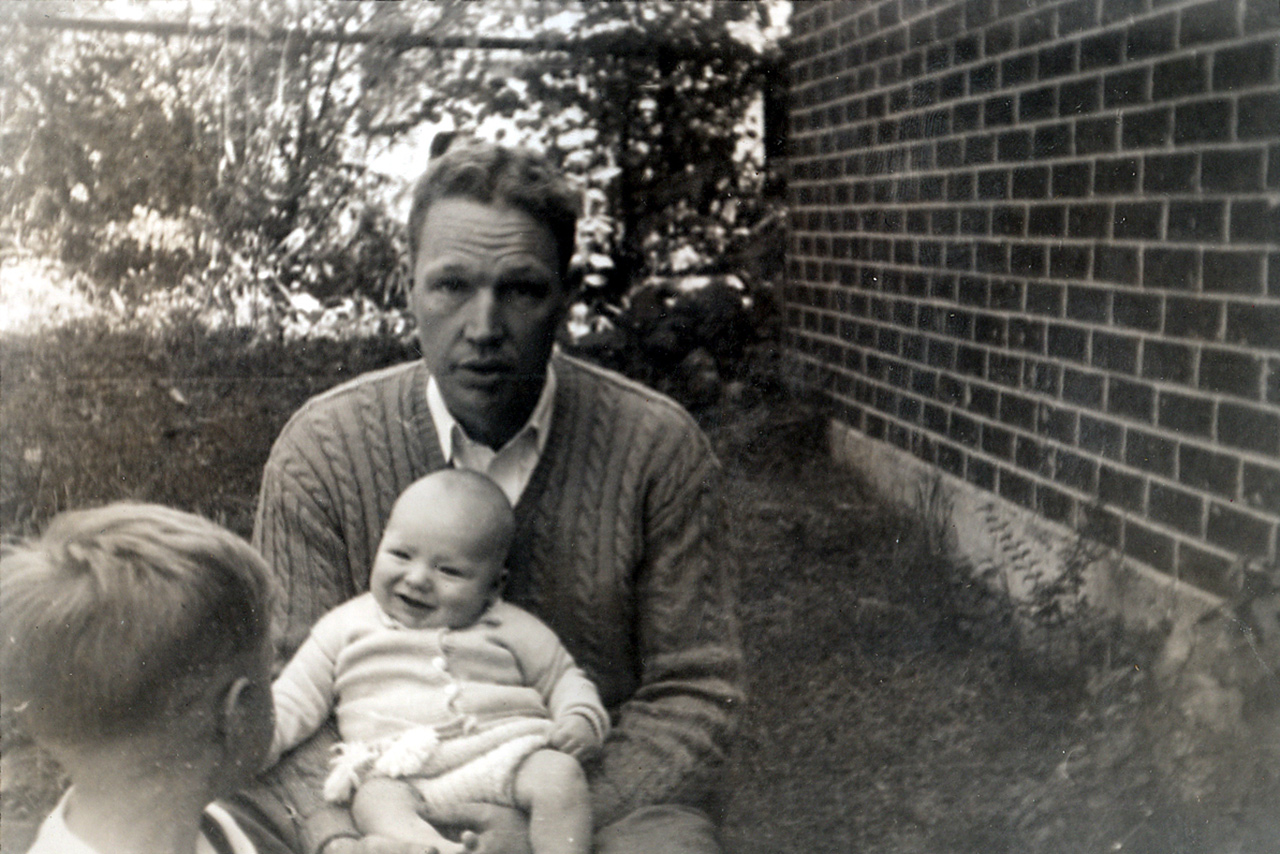
His public life was as local as his wartime one was global. He ran Kiwanis, sponsored Little League teams, helped rebuild the YMCA in Redwood City, and never missed his grandchildren’s games. He and Anne travelled to every continent but Antarctica, rafted the Colorado, walked the Great Wall, and ventured to the remote corners of Russia, India and China.
What he did not become was an aircraft engineer, the career he had dreamed of but could not afford. Yet he was the only one of his siblings to finish college. He outlived them all, turning a hard beginning into a settled, useful life. He liked to say he had no regrets. Like the poker games of his youth, he played the cards he was dealt steadily, without fuss, and somehow won.
